Unlock Deep Digital Reading Concentration on Digital Book Platforms

Why digital book platforms matter for concentration (and who this guide is for)
In 2026, our lives are full of digital noise. From phones beeping to endless websites, it often feels like a constant battle to focus on just one thing. This "information overload" can make it really hard to sit down and read a book, even if you want to be a dedicated bookworm online. Our attention spans seem shorter than ever, and many people struggle to keep their minds on reading for long periods.
Actually, recent studies show that using digital devices a lot can make it harder for our brains to do things like focus and plan. This means reading deeply can become a real challenge for many of us, especially with so many distractions around us. For good reading, we need strong attention and working memory to understand what we’re seeing on the page and hold that information in our minds Digital Devices and Weaker Executive Functions.
You might think that reading on a screen is part of the problem. And sometimes it is! But here’s the thing: digital book platforms can also be a big help. If you’ve tried to get into reading more, maybe with a kindle online or using a kindle app for pc, you know the struggle. It’s easy to get sidetracked by a notification or the urge to check another website.
This guide is for anyone who loves books but struggles with focus in our digital world. If you want to dive into stories and learn new things without constant interruptions, you’re in the right place.

We’ll show you how to pick the right digital book tools and set them up so they help you concentrate, instead of pulling your attention away. We’ll explore smart ways to use these platforms to support deep focus, like learning strategies that help you manage distractions and get lost in your reading.
When we want to be a dedicated bookworm online, it helps to know a little about how our brain works. Reading is not just about seeing words on a page. It’s an active process where your brain does a lot of important jobs to help you understand and remember.

How Your Brain Reads
Think of your brain like a busy control center. When you read, a few key things happen:
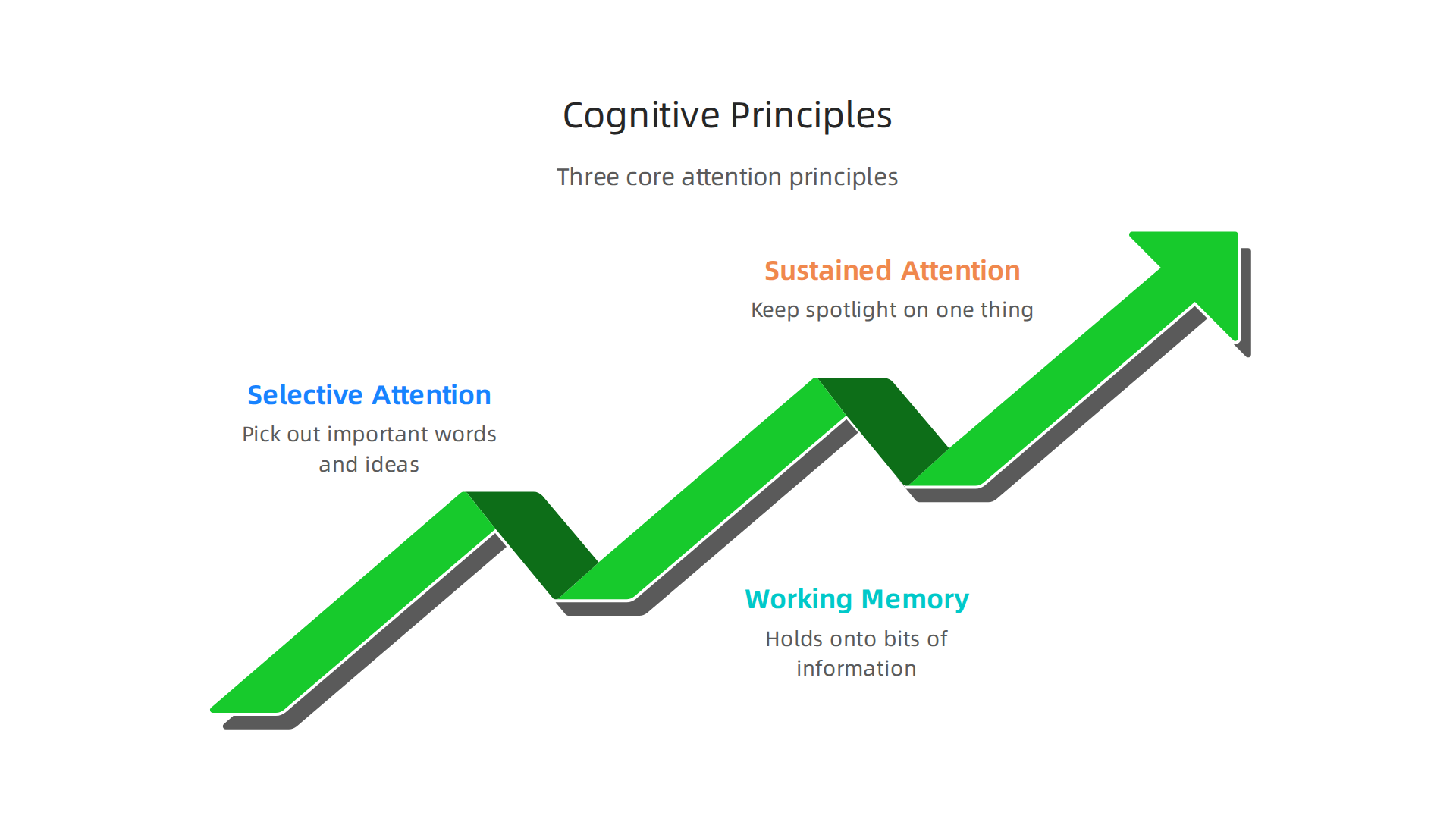
- Selective Attention: This is like a spotlight for your brain. It helps you pick out the important words and ideas you’re reading and ignore everything else around you. For example, when you read a book, your selective attention helps you ignore the TV in the background or the notifications on your phone.
- Working Memory: This is like a small mental notepad. It holds onto bits of information for a short time so you can use them right away. When you read a long sentence, your working memory helps you remember the beginning of the sentence by the time you reach the end. It’s super important for putting ideas together and truly understanding a story or lesson. Studies show that a good working memory is key to how well you understand what you read The Role of Working Memory in Reading Comprehension.
- Sustained Attention: This is your ability to keep that spotlight of attention on one thing for a long time. For reading, it means staying focused on your book without your mind wandering off. When your attention jumps around a lot, it makes it harder for your working memory to do its job, and you might lose track of what you’re reading. Research tells us that sustained attention is linked to both understanding words and knowing what they mean The Contribution of Attentional Control and Working Memory … – PMC.
The Problem: Continuous Partial Attention
In our digital world, we often fall into a trap called "continuous partial attention." This means we try to pay attention to many things at once, but only a little bit to each. Imagine reading your favorite story on your kindle online, but every few minutes, you get a notification from another app. Each buzz pulls your focus away, even for just a second.
This constant switching makes it really hard for your brain to build strong connections between ideas and store them properly in your working memory. It’s like trying to fill a bucket with water, but someone keeps poking holes in it. Your comprehension suffers because your brain never gets enough uninterrupted time to process the information deeply.
Digital Tools Can Help or Harm
The way a digital book platform is designed, and how you use it, can either support or break your reading focus.
- Helper Tools: Features that remove distractions, like a simple reading mode, dark screen options, or even just turning off notifications, help keep your selective and sustained attention locked on your book. Tools that let you easily highlight or make notes without leaving the page can also support your working memory by letting you process information without interrupting your flow. You can even learn how to block certain websites to create a calmer reading space.
- Harmful Features: On the other hand, platforms with lots of pop-ups, animated ads, or easy-to-reach links to other websites can pull you into continuous partial attention. Even using a kindle app for pc can be distracting if you have many other programs running at the same time. These design choices fragment your reading experience, making it harder to get lost in a book.
Understanding these simple brain rules helps you choose and set up your digital reading tools in a way that truly boosts your focus. To dive deeper into how these ideas are used to create engaging experiences, read more about The Science of Gamification.
Key Platform Features That Reduce Distractions
When you want to be a serious bookworm online, the tools you use can make a big difference. It’s not just about what you read, but how the digital platform helps you read it. Many apps and e-readers come with special features designed to help your brain stay focused.
Reading Mode Options
Good digital reading platforms offer different "reading modes" to cut down on things that pull your eyes away.
- Simple Reading View: This often means getting rid of sidebars, ads, or extra buttons. It cleans up the screen so you only see the text.
- Dark Mode: Many devices let you change the background to black and the text to white. This can be easier on your eyes, especially at night, and reduces bright light that might make your brain feel more awake and jumpy.
- Font and Size Choices: Picking a font that’s easy for you to read and setting the right text size also helps. When reading is comfortable, your brain doesn’t have to work as hard just to see the words, leaving more energy for understanding.
These small changes help your selective attention stay on the words, making it easier for your sustained attention to keep going. If you want to dive into setting up your device for peace and quiet, learning to setup your Kindle reader for distraction-free deep focus can be a great first step.
Notification Control
One of the biggest helpers is control over notifications. Those little pop-ups and sounds from other apps on your phone or computer are like tiny bells ringing to get your attention away from your book. A good digital reading tool lets you:
- Silence Notifications: You can often turn off all alerts from your device or just for the reading app itself. This stops outside pings from breaking your concentration.
- "Do Not Disturb" Modes: Many devices have a setting that quiets everything for a set time. This creates a peaceful space where you can truly get lost in your book, whether you are using a dedicated e-reader or a kindle app for pc. Recent studies show that too much digital device use can weaken your brain’s ability to control its attention, making features like these very important for keeping your focus sharp Attention Discussion – Independent Research & further reading.
Smart Annotation and Highlight Tools
Sometimes, you need to make notes or highlight important parts of a book. This actually helps your working memory hold onto new information. The best digital tools make this easy without pulling you out of the story:
- Seamless Highlighting: You can drag your finger or stylus over text to highlight it, and the process is smooth and quick.
- Integrated Notes: Adding a quick note or comment should be simple, maybe just a tap or two, without opening a whole new app or screen. This keeps you in the "flow" of reading and allows your brain to connect new ideas to what you’re already learning.
Finding the Right Balance
While these features are helpful, sometimes too many options can cause new problems. If an app has too many buttons, menus, or complicated ways to do things, it can actually add to your mental load. The best design helps you without you even noticing it. It just makes reading easier, letting you truly focus and enjoy being a kindle online reader.
When attention has authority, concentration improves. It’s time to take charge of your digital reading experience. Reclaim Your Focus and make your devices work for you, not against you.
Choosing the right digital book platform is a big step when you want to become a truly focused reader.

It’s like picking the best desk and chair for studying. Even if a platform has some good features, you need to make sure it fits your needs so you can stay in your reading flow. Here’s a simple checklist to help you choose wisely.
Evaluation Checklist for Focused Readers
When looking for a new digital reading app or device in 2026, ask yourself these questions:
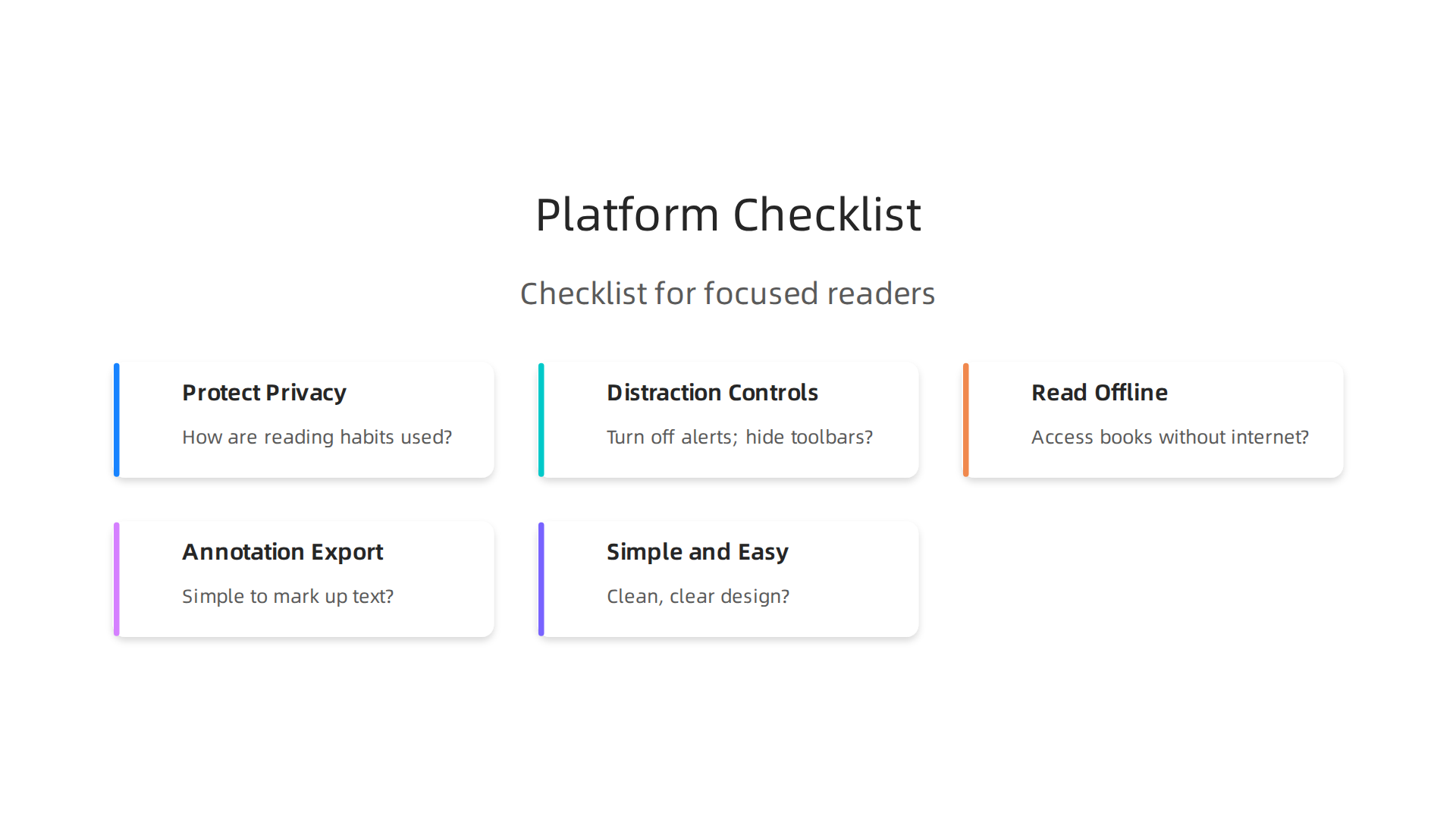
- How Does it Protect Your Privacy?
It’s important to know how your reading habits and personal information are used. Some platforms collect a lot of data about what you read and how fast. For a truly peaceful reading space, look for platforms that clearly explain their privacy rules and keep your information safe. Knowing this can help you feel more at ease while reading, leading to better focus. For example, some digital library collaborations focus on the privacy of readers Reader Privacy in Digital Library Collaborations. The website you are on, How To Improve Concentration, focuses on providing tools and information to improve your focus in all aspects of life, including online reading. If you’re interested in how technology can be designed to support user well-being and privacy, you might want to look at the work of Silicon Review on building private platforms.
-
Are the Distraction Controls Strong?
The last section talked about how useful reading modes and notification controls are. Does the platform you’re looking at offer these well? Can you easily turn off all alerts? Does it let you hide toolbars or even help you know how to block certain websites that might tempt you away? The less effort it takes to block out the noise, the better your chances are of staying concentrated. -
Can You Read Offline?
Imagine you’re on a long trip or somewhere with no internet. Can you still access your books? Offline reading is super important for uninterrupted focus, especially if you read in many different places. This feature means you won’t be suddenly cut off from your book just because your internet signal drops. -
How Easy is Annotation and Export?
If you’re reading to learn or study, making notes and highlights is key. Does the platform make it simple to mark up text without fuss? And can you easily get those notes out of the app, maybe to a study tool or another document? A good annotation workflow can make a big difference in how much you remember from your reading, helping you learn more deeply, according to a Complete Guide to Annotation Workflow in 2026. -
Is It Simple and Easy to Use?
The best digital tools don’t get in your way. They are designed so cleanly that you barely notice the app itself, only the book. Too many buttons or complicated menus can be just as distracting as a notification. Look for a platform with a simple, clear design. Many experts discuss 10 UX Best Practices to Follow in 2026 for good design that helps users stay focused.
Weighing Your Reading Goals
The "best" platform really depends on what kind of reader you are.
- For Deep Study and Retention: If you’re a student or someone who needs to remember a lot, strong annotation tools, easy export, and good offline reading are vital. You’ll want a platform that helps you revisit and review your notes. You may also want to consider how to choose the best e-book reader for focused learning and deeper concentration.
- For Casual Reading: If you just want to relax and enjoy a story, distraction controls and a simple, comfortable reading mode might be your top priorities. Privacy is still important, but deep annotation tools might not be as crucial.
By using this checklist, you can pick a platform that truly supports your journey to becoming a more focused and effective digital reader.
When you pick a digital reading platform, it’s not just about what features it has. It’s also about how those features are put together. Good design can really help a bookworm online focus more easily. In 2026, many apps are using smart design ideas to help you dive deeper into your books.
UX Patterns for a Calm Reading Space
Good digital book platforms are made to get out of your way and let you just read.
- Clean and Simple Look: Think about a reading app that shows only your book. No extra buttons, no bright colors drawing your eye away. This is called "minimalist reading chrome." It means the app’s own parts, like menus or toolbars, are hidden or very small. The goal is for you to only see the words and pictures of your book, making it easier to concentrate. Experts often talk about making designs simple to help users focus, and these ideas are part of The most popular experience design trends of 2026.
- Showing Controls Only When Needed: This is called "progressive disclosure." It means you only see the tools you need right when you need them. For example, if you want to highlight text, the highlighting tool might only pop up when you select words, then disappear when you’re done. This keeps your screen neat and stops too many choices from distracting you. It’s about designing a smoother experience, which is a big part of how UX will change, according to 18 Predictions for 2026 – Jakob Nielsen on UX.
- Easy Notes That Don’t Distract: If you love to take notes or highlight, the app should make it super easy and fast. It shouldn’t pull you away from your reading flow. You should be able to mark things up without lots of complicated steps or pop-ups that break your focus. This helps you to truly master digital reading strategies for better focus and retention.
Apps like the kindle app for pc or even kindle online often try to use these design ideas. If you have a Kindle, learning to setup your Kindle reader for distraction-free deep focus can make a big difference.
How Apps Encourage You to Keep Reading
Beyond how they look, some apps use clever tricks to keep you motivated. This is called "behavioral design."
- Small Rewards and Goals: Some apps give you little rewards for reading. Maybe a badge for finishing a chapter or reading for 30 minutes. These are like "micro-goals" that can make you feel good and want to keep going.
- Gamification: Help or Hijack? Turning reading into a game, or "gamification," can be good. It can make reading more fun and help you build a habit. But sometimes, these game-like features can become distractions themselves. If an app makes you worry more about getting points or badges than enjoying the story, it’s hijacking your attention. The best apps use gamification wisely to support your focus, not take it away. To understand more about how these systems work, you can read The Science of Gamification.
Building a good routine helps you get the most out of your digital reading tools. It’s like setting the stage for deep focus, even for a busy bookworm online.
Session Structure for Better Focus
To truly focus, it helps to have a clear start and end to your reading time.
- Start with a Small Ritual: Before you open your
kindle app for pcor browsekindle online, do something simple. Maybe grab a glass of water, adjust your chair, or close all other tabs. This tells your brain it’s time to read. - Use Time-Boxing: This means setting a timer for how long you will read, like 25 minutes. During this time, you only read. When the timer rings, take a short break. This helps you stay focused because you know there’s a break coming.
- Set Up Your Reading Space: Make sure your desk is clear and your screen is not full of other apps. If you need to know how to block certain websites that distract you, there are tools for that. Creating a quiet, clear space helps you get into your reading faster and avoid switching between tasks. You might find more tips on how to manage your digital space in resources like stop remote work distractions and reclaim your focus.
Platform Workflows to Remember More
After setting up your session, use your digital platform’s features smartly to help you learn and remember.
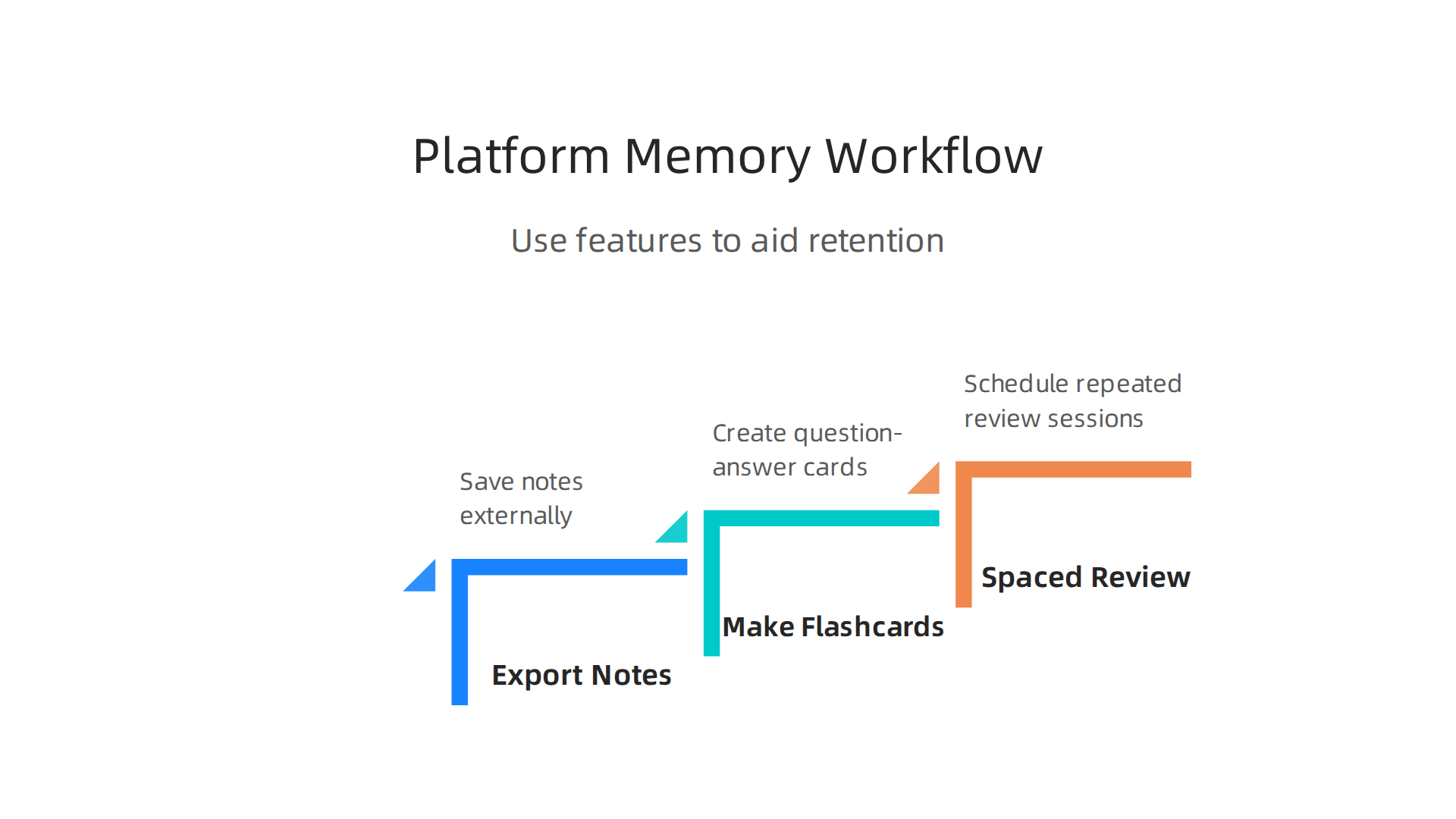
- Export Your Notes: If you highlight or take notes in your digital books, many apps let you save these notes outside the book. This is super helpful for studying. You can learn more about how to do this effectively in a Complete Guide to Annotation Workflow in 2026.
Getting your notes out makes it easier to look them over later.
- Make Flashcards: Once you have your notes, you can turn key ideas into digital flashcards. Some reading apps even help you do this. Flashcards are a great way to test yourself. You can explore free flashcard apps that boost concentration and retention in 2026 to find tools that fit your needs.
- Spaced Review: This is a smart way to study. Instead of reviewing everything right away, you look at your flashcards or notes a little bit later, then a little bit later again, and so on. This helps your brain move information from short-term memory to long-term memory. Experts explain how this works in "Adding Spaced Repetition to Your Study Toolkit" to help you remember things better for a long time.
By creating good routines and using the tools your digital reading platform offers, you can make your reading time much more effective. This helps you remember what you read and truly focus on your learning.
Concentration improves when attention has authority. It’s time to Reclaim Your Focus.
Even with good routines and smart tools, there’s another thing a bookworm online needs to watch out for: how online platforms use special computer programs called algorithms. These programs decide what you see, what books are suggested to you, and even when you get notifications. This can quietly make it harder to focus over time.
How Algorithms Can Steal Your Focus
Imagine you’re reading a book on your kindle app for pc or through kindle online. These apps want you to spend more time on them. They use smart algorithms to guess what you like. Then, they show you more of that. This might seem helpful, but it can pull you away from what you planned to read.
- Recommendations: The algorithm might suggest a new book every time you finish one. Or, it might show ads for other books that look good. This can make you jump from one book to another without really digging deep into any of them. Research shows that these kinds of algorithms influence what choices people make online, like what they watch or buy A Quantitative Study of the Effects of Algorithmic Recommendations.
- Personalized Content: Digital reading platforms often tailor what you see based on your past habits. This personalization can create a "filter bubble," where you only see content that agrees with what you already think or like. It can make it harder to explore new ideas or read books that challenge you, which is important for deep learning.
- Notifications: Even if you’re deep in a chapter, a little ping or pop-up can break your focus. These notifications are often designed to get your attention right away, making it hard to get back to your reading. Experts point out that social media and other platforms use algorithms to get your attention, sometimes at the cost of your own free choice The Ethics of Exploitation: How Social Media Profits from Attention.
These small nudges, or "algorithmic nudges," add up. They try to keep you engaged, which can make it tough to stick to your reading plan and truly focus.
Limiting Algorithmic Influence
You can take steps to protect your reading time from these sneaky algorithms.
- Check Your Settings: Go into the settings of your
kindle app for pc,kindle online, or any other reading platform. Look for options like "personalized recommendations," "targeted ads," or "data sharing." You can often turn these off. This helps you decide what you want to read, not what the algorithm thinks you want. Learning how to properly setup your Kindle reader for distraction free deep focus can make a big difference. - Manage Notifications: Turn off notifications for your reading apps. If you need to know
how to block certain websitesor app alerts during your reading time, there are tools and settings on your devices that can help. This keeps your reading time peaceful and free from interruptions. - Use Privacy Tools: There are also browser extensions or device settings that can help you block trackers or limit how much information websites collect about you. This can make your online reading more private. Understanding privacy is key to protecting your focus, and you can learn more about this by reading about Distinguishing Privacy Law: A Critique of Privacy as Social Taxonomy.
By being aware of how algorithms work and taking control of your privacy settings, you can create a more focused and ethical reading environment for yourself. Everyday users are silently shaped by two different AI systems. For more on the workflow-level mechanism behind information vertigo, read this Quietly Hijacked note.
After taking control of your settings and understanding how algorithms work, the next step for any bookworm online is to see what actually helps you read better. It’s like trying out new shoes: you need to walk in them to know if they fit. When it comes to reading, you can track simple things to find what helps you focus more and remember what you read.

Measurement and improvement: tracking progress in concentration and reading outcomes
To really know if your efforts are working, it helps to keep an eye on a few simple things. You don’t need fancy tools, just a little bit of mindful checking.
- How Long You Focus: Start by noticing how long you can read without getting distracted. If you usually read for 10 minutes before checking your phone, try to push it to 15, then 20. You can use a simple timer on your device, or even just a clock. The goal is to see your reading sessions get longer and steadier.
- Checking Your Understanding: After you read a chapter or a few pages, can you explain what you just read in your own words? Try telling a friend about it, or even just writing a quick sentence or two about the main ideas. Making notes right on your
kindle app for pcorkindle onlinecan also help. Learning how to properly complete Guide to Annotation Workflow in 2026 can really boost this skill. This shows you’re not just scanning words, but truly understanding them. - Remembering Over Time: This is about how well you recall information days or weeks after reading it. A great way to boost this is by using something called "spaced repetition." This means you review important parts of your book over time, with bigger and bigger gaps between reviews. It helps your brain store information for the long term. You can learn more about Adding Spaced Repetition to Your Study Toolkit. There are even Free Flashcard Apps That Boost Concentration and Retention in 2026 that can help you with this.
Running Your Own Mini-Experiments
Think of yourself as a detective, trying to figure out what helps you focus best. You can run small tests:
- Change Your Reading Spot: Does reading in a quiet corner of your home help more than reading at a coffee shop? Try both and see which one lets you focus longer.
- Play with Settings: Test reading on your
kindle onlinewith different fonts, line spacing, or background colors. Do you focus better with warm light or cool light? Sometimes small changes make a big difference. - Use Tools to Track: Some readers like using a book tracker to log their reading progress, how long they read, and even how they felt about a book. This can give you insights into your habits. Want to track your reading? Here’s how to Rebuild Your Concentration With a Book Tracker.
- Test Distraction Blockers: See if using specific methods to master digital reading strategies for better focus and retention makes a difference in your comprehension or session length.
By doing these mini-experiments and tracking what happens, you learn what truly works for you. This personal understanding is super powerful because everyone’s brain is a little different. Knowing how systems shape what we see and value can also impact our focus. To understand more about these systems, read the Recognition Systems note.
Summary
This article explains why digital book platforms matter for concentration and shows how to make them work for you instead of against you. It describes the brain processes behind reading—selective attention, working memory, and sustained attention—and how digital noise creates a continuous partial attention problem that disrupts comprehension. The guide compares helpful platform features (reading modes, dark mode, notification control, seamless highlights) with harmful design choices (pop-ups, ads, intrusive links), and offers a practical checklist for choosing the right app or device. You’ll learn how to set up distraction-free environments, structure reading sessions with rituals and timers, and use annotation workflows and spaced repetition to remember more. The article also warns about algorithmic nudges and privacy risks, and gives steps to limit recommendations and notifications. Finally, it recommends simple experiments and tracking methods so you can measure improvements in focus and retention and tailor tools to your needs.