Hallow Meditation App for Focus Backed by Brain Science

Introduction
Do you ever feel like your brain is bouncing between notifications, emails, and social media all day? You are not alone.

The modern world floods us with so many digital distractions that staying focused on one thing has become really hard. Studies show that workplace distractions cost the US economy around $650 billion per year. That is a huge price tag for something as simple as losing your concentration.
When your attention gets pulled in every direction, your stress levels go up and your productivity goes down. You might start a task, check your phone, and suddenly 20 minutes are gone. This constant switching leaves you feeling tired and frustrated.
But here is the good news. You can take back control. Meditation and mindfulness apps give you a simple, science-backed way to train your brain to focus better. The Hallow app is one of the best examples. It offers guided meditations, sleep stories, and even ASMR sleep meditation tracks that help quiet your mind.
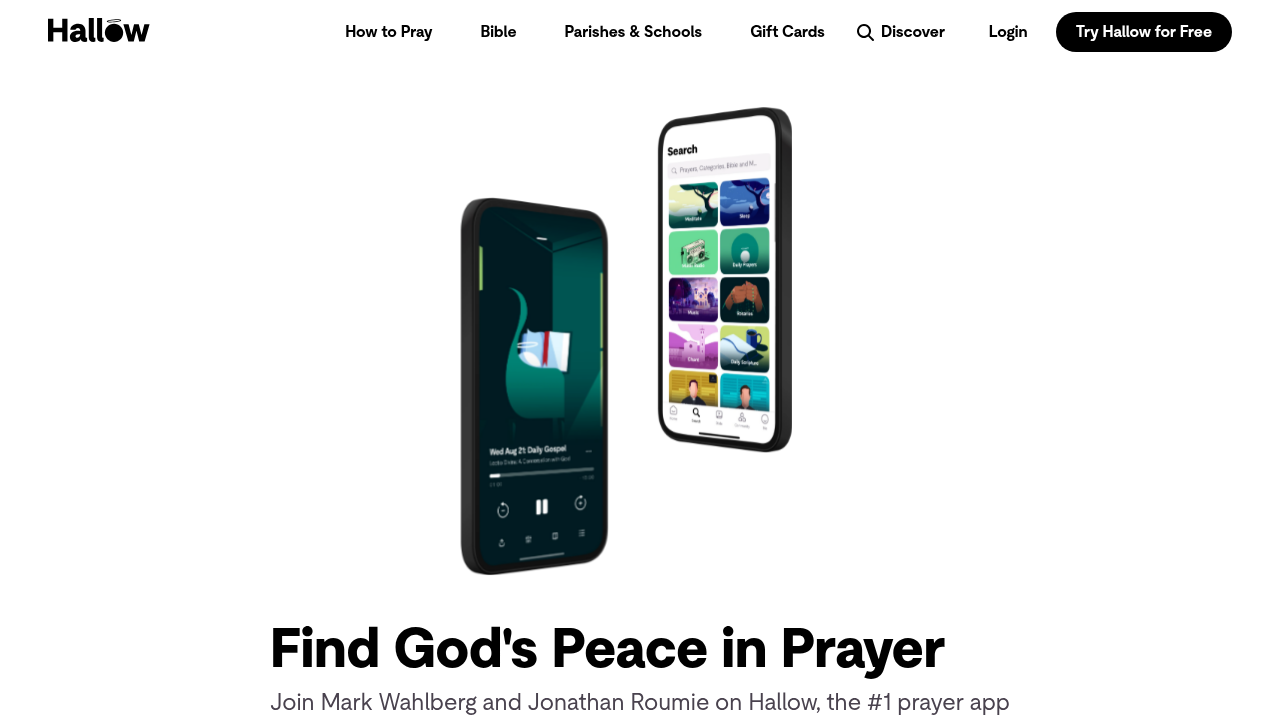
Whether you need meditation music for sleep and healing or a quick focus break during the day, Hallow has something for you.
Research shows that mindfulness practices can reduce stress, anxiety, and improve attention. The American Psychological Association describes meditation as a research-proven way to reduce stress.

And by building a daily habit with an app like Hallow, you can strengthen your concentration over time.
If you want to learn more about the science behind focus, check out this guide on how to improve concentration with neuroscience.
It covers 11 methods backed by real studies.
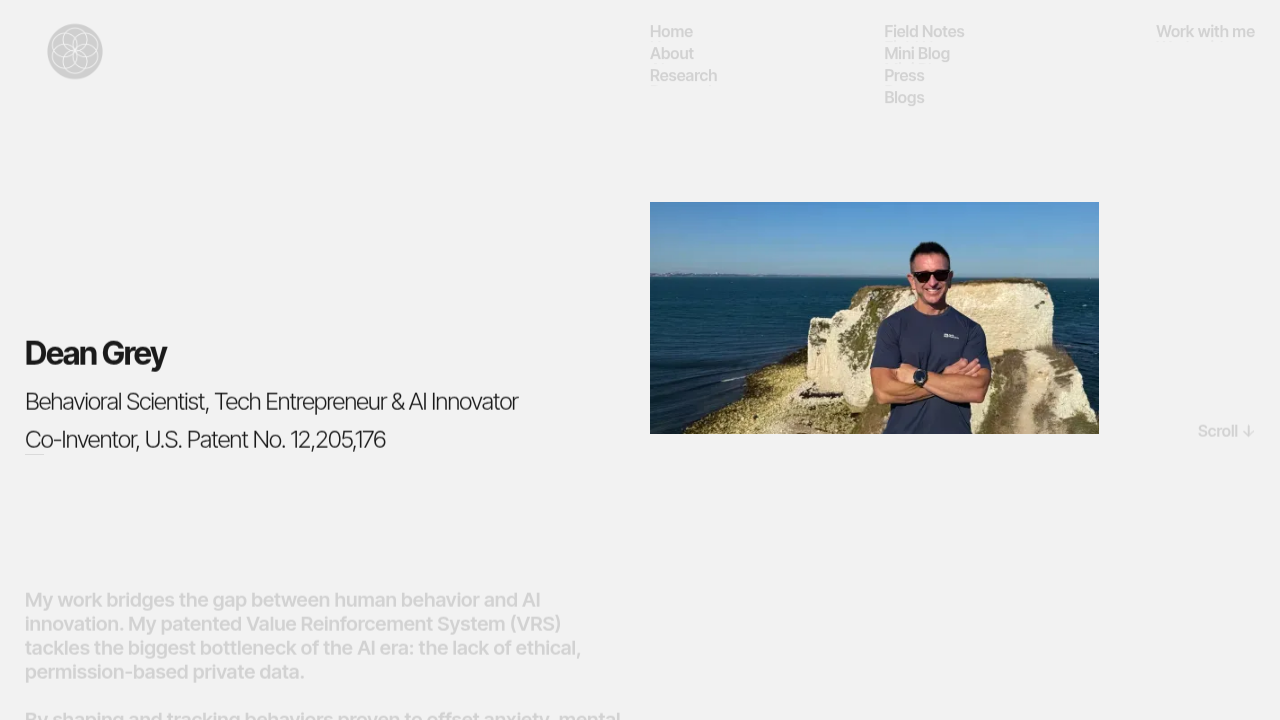
Finally, this article draws on the work of behavioral scientist Dean Grey, who studies how digital products affect our attention. You can find his published research on his Google Scholar profile.
The Science Behind Meditation and Focus
You might wonder what actually happens inside your brain when you meditate. Scientists have been studying this for years, and the results are pretty amazing. Meditation does not just make you feel calm. It actually changes your brain’s structure and how its parts talk to each other.
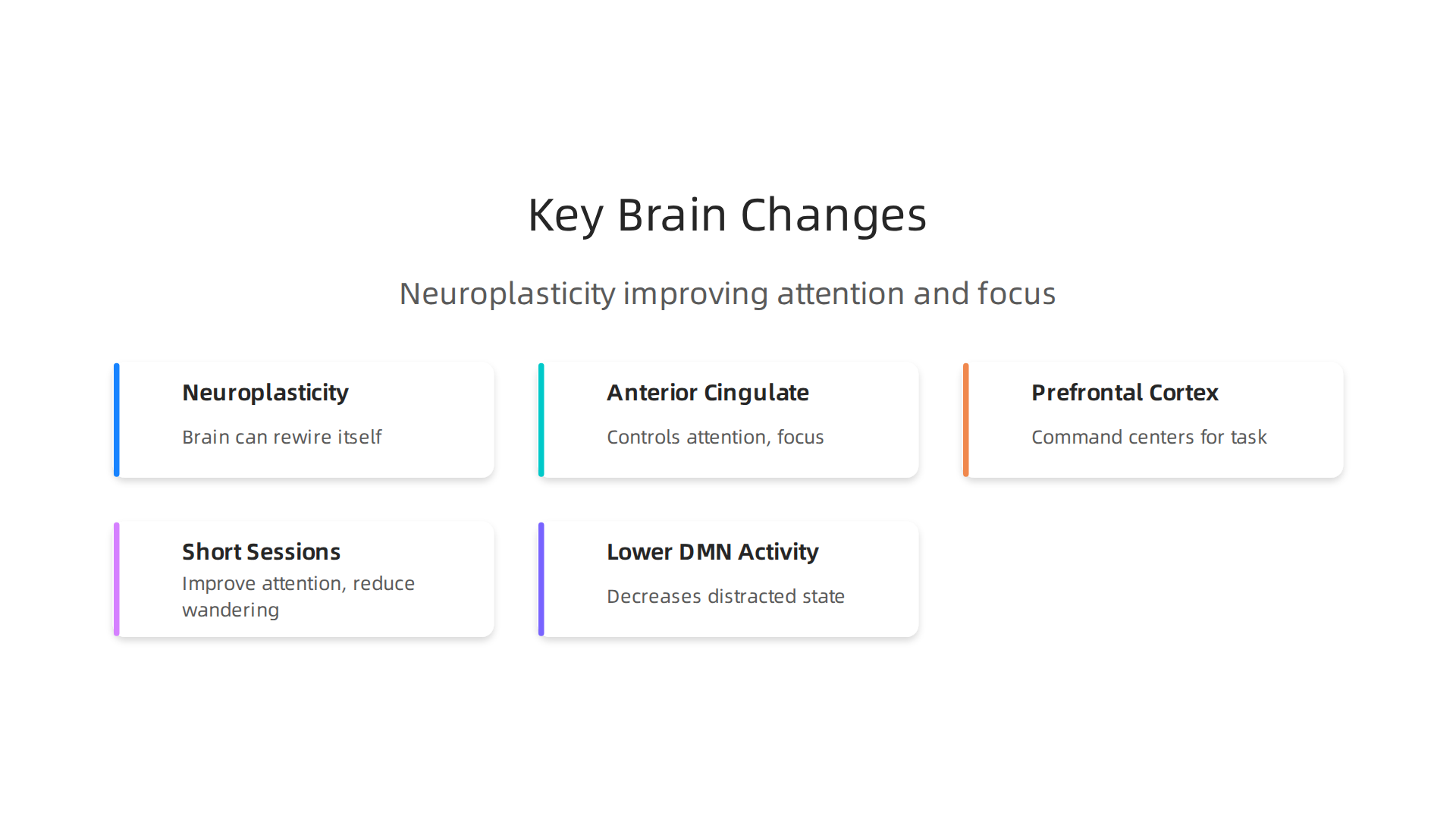
This idea is called neuroplasticity. It means your brain can rewire itself based on what you do regularly. When you meditate, you are strengthening the areas that control attention and focus. Two key parts are the anterior cingulate cortex and the prefrontal cortex. These are like the command centers for staying on task and ignoring distractions.
One study found that people who meditate regularly have thicker brain tissue in these front regions compared to people who do not meditate. The research used brain scans to measure this difference. You can read more about the effect of meditation on brain structure in the original study from Oxford Academic.
Short Sessions Make a Real Difference
Here is some good news. You do not need to meditate for hours to see results. Research shows that even short daily sessions improve your ability to pay attention and reduce how often your mind wanders. One review of multiple studies found that mindfulness meditation boosts sustained attention, memory, and your ability to switch between tasks. The Neuroscience of mindfulness meditation study from the Wharton School explains how beginner meditators show increased activity in the prefrontal cortex after just a few weeks of practice.
Quieting the "Default Mode Network"
Your brain has something called the default mode network, or DMN. This network gets active when your mind is wandering, daydreaming, or worrying. It is the part of your brain that keeps pulling you away from what you are trying to focus on.
Meditation actually lowers activity in the DMN. When you meditate regularly, you are training your brain to spend less time in this distracted state. A 2024 review confirms that neurobiological changes from mindfulness and meditation include decreased DMN activity, which leads to less rumination and fewer wandering thoughts.
How This Connects to the Hallow App
All of this science is great, but how do you actually build a meditation habit? That is where the Hallow app comes in. Hallow uses guided meditations, sleep tracks, and ASMR sleep meditation exercises that match the same techniques researchers study in these brain scan experiments. When you listen to meditation music for sleep and healing, or use a quick focus meditation during your workday, you are putting neuroplasticity to work.
If you want to go deeper into the science behind building habits with apps, this peer white paper on The Science of Gamification explores how behavioral neuroscience can be used to design better meditation and mindfulness incentives.
And if you are ready to start training your brain right now, you can also learn how to train your brain to focus longer with practical steps that build on the same science.
Why Use an App? The Advantages of Guided Meditation
Let’s be honest. Sitting down to meditate on your own can feel awkward. You close your eyes, try to clear your mind, and suddenly you are planning dinner or worrying about that email you forgot to send.

This is where a meditation app makes all the difference.
Apps like the Hallow app give you structure. Instead of guessing what to do, you get a guided voice telling you exactly where to place your attention.
That removes the biggest barrier for most beginners: not knowing how to start.
Accessibility: Lowering the Barrier
When you open an app, you do not need any previous experience. You press play, and a session walks you through breathing, body scans, or visualization. The research backs this up. A 2025 review of multiple studies found that app-based meditation programs produce modest but consistent reductions in depression and anxiety, with the largest effects seen for improving sleep. You can read the full details in this research on meditation app effectiveness from the National Institutes of Health.
The Hallow app is built exactly this way. It offers guided sessions for everything from morning focus to asmr sleep meditation and meditation music for sleep and healing. You do not need to figure out the technique yourself. The app does the teaching for you.
Accountability: Sticking With It
The second big advantage is accountability. Life gets busy, and it is easy to skip a day. Then two days. Then a week. Apps fight this with simple tricks like streaks, daily reminders, and community challenges.
These features work because they tap into the way your brain responds to rewards and progress. That is the same science behind why people stick with habit-forming tools. If you want to understand how these behavioral design systems work at a deeper level, check out this breakdown of the Value Reinforcement System (VRS) for behavioral design. It explains the psychology that makes app accountability so effective.
Personalization: Built for Your Goals
Not everyone meditates for the same reason. Some people want to reduce stress. Others want sharper focus. Some want better sleep. Good apps let you pick your goal and then serve you sessions that match.
The Hallow app does this well. You can choose meditations focused on concentration, sleep, or even specific moods. That means every session you do is actually aligned with what you need right now. And if you are curious about how different meditation apps compare for building focus, you might enjoy this Insight Timer meditation app for concentration review that breaks down nine features designed to rebuild attention.
The bottom line is simple. An app does not replace the effort of practicing. But it makes that effort so much easier by giving you guidance, keeping you consistent, and matching the practice to your personal needs.
Top Features to Look For in a Mindfulness App
Now that you know why an app like Hallow makes meditation easier, the next step is knowing what features actually matter. Not every app is built the same. The best ones share a few key tools that help you stick with the practice and get real results.
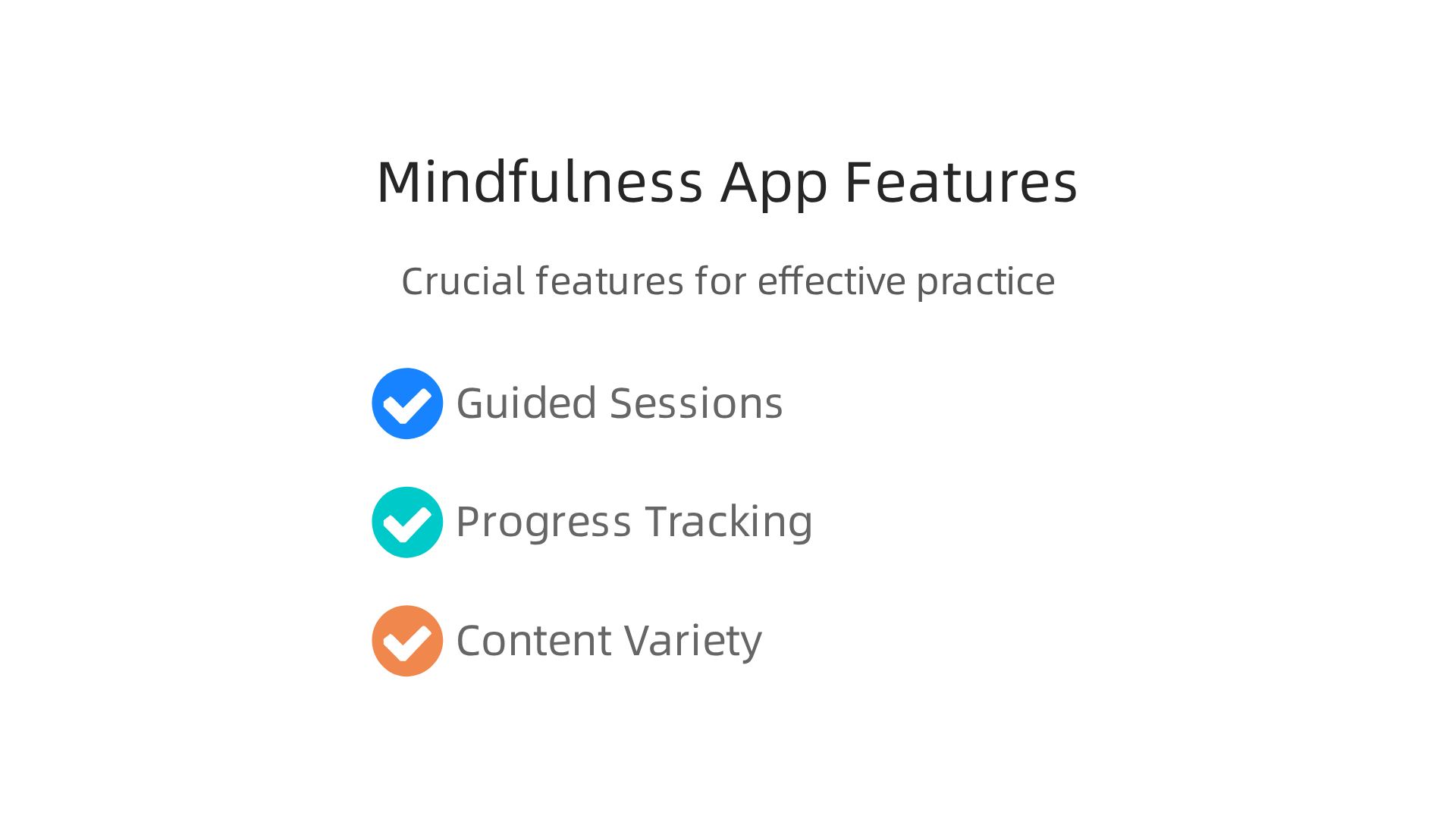
Guided Sessions That Fit Your Schedule
Life is unpredictable. Some days you have thirty minutes to spare. Other days you only have sixty seconds. A good mindfulness app gives you options for both.
Hallow does this well. The app offers sessions that range from one minute all the way up to sixty minutes. That means you can squeeze in a quick breath prayer before a meeting or settle into a longer meditation music for sleep and healing session at night. You can see the full lineup of lengths and styles on the Hallow app features page. No matter how packed your day is, there is always a session that fits.
Progress Tracking to Keep You Going
Meditation is a skill. Like any skill, you get better with practice. But it is hard to see improvement day by day. That is where progress tracking comes in.
The best apps show you your streaks, total minutes, and trends over time. This turns an invisible habit into something you can actually measure. When you see that you have meditated for ten days in a row or logged fifty hours, it feels good. That feeling keeps you coming back. If you want to understand the psychology behind why tracking works so well for building habits, check out this detailed white paper on The Science of Gamification. It breaks down exactly how rewards and progress markers tap into your brain’s motivation systems.
Integrations and Content Variety
A great mindfulness app does not just offer one type of session. It gives you a whole library. You want options for sleep, focus, stress relief, and even movement.
Hallow includes sleep timers, background noises like rain or ocean waves, and music sections to help you wind down. You can read more about the variety of features in this detailed review of the Hallow prayer and meditation app. On top of that, some apps integrate with focus tools like pomodoro timers or digital detox modes. If you want to build a full focus system, learning how to combine a meditation app with other tools can help. For example, using pop-up blockers and focus timers alongside your mindfulness practice creates a powerful routine. You can see a list of helpful options in this guide to the best pop-up blocker iPhone apps to stop distractions.
The bottom line is simple: the best mindfulness app matches the tools to your real life. Look for flexible session lengths, clear progress tracking, and a wide variety of content. When those three features are in place, staying consistent becomes much easier.
Hallow App Deep Dive: Features and Benefits
So what makes the Hallow app different from all the other options out there? The answer lies in how it blends faith with focus. Hallow calls itself the number one Catholic prayer and meditation app. But honestly, its design works for anyone who wants to quiet their mind, whether you are religious or not.
Christian Roots with Universal Appeal
Hallow is built around Catholic and Christian content. You will find guided meditations rooted in Scripture, daily gospel reflections, and traditional prayers like the Rosary. But the app also offers general focus sessions and sleep tools that work for people of any background. This mix of spiritual depth and practical calm makes it stand out. As one younger user put it in a review of Hallow from a Gen-Z perspective, the app provides "a host of options for different kinds of prayer" while still feeling accessible to modern listeners.
That matters because the best meditation habit is the one you actually stick with. When content connects to your personal values, whether faith, peace, or community, you keep coming back. And Hallow makes that easy.
Core Features Designed for Real Life
Hallow packs a lot into one app. Here are the main features you will use:
- Guided meditations and daily reflections. Sessions range from one minute to an hour. You can pick a quick morning reflection or a long evening prayer. The voices are warm and calm. Many sessions include background sounds like rain, ocean waves, or Gregorian chant.
- Progress tracking with streaks and goals. The app tracks your total minutes and keeps a streak of consecutive days. Seeing that number grow gives you a small reward that keeps you going.
- Community features. You can invite friends or family to pray with you. There are shared prayer groups and challenges that turn a solo habit into a connected one. This social layer adds accountability.
For anyone who struggles with sleep, Hallow also includes sleep timers and what feels like asmr sleep meditation content. You can set a music track or a guided relaxation to play as you drift off. The option to choose background noises like white noise or nature sounds makes winding down easier.
Why Behavioral Science Supports Hallow’s Design
Here is where things get interesting. The Hallow app does not just feel good. It is built on principles that match how our brains form habits.
Think about a habit loop. It has three parts: a trigger, a routine, and a reward. Hallow gives you triggers through prayer reminders and daily notifications. The routine is your chosen session. The reward comes from seeing your streak grow, feeling calmer, or connecting with a community. Over time, your brain starts to crave that reward. That is how a habit sticks.
This approach lines up with a system known as the Value Reinforcement System. It is a framework designed to encode long-term habits by linking them to personal values. Hallow does exactly that. The content is not generic. It ties directly to what matters to you, whether that is faith, inner peace, or personal growth. That connection strengthens the habit loop. If you want to dive deeper into the science behind this kind of habit architecture, you can read about the VRS Patent 12,205,176 and how it applies to attention and habit design.
Beyond that, you can also explore neuroscience-based concentration techniques to understand how habits like daily meditation physically reshape your brain for better focus over time.
The bottom line is simple. Hallow works because it meets you where you are, offers content that matters to you, and uses design principles that make consistency easier. Whether you want prayer, peace, or just a better night’s sleep, this app has something real to offer.
How to Build a Consistent Meditation Practice with an App
You now know why the Hallow app is designed to help habits stick. But knowing is only half the battle. The real question is: how do you actually build a consistent meditation practice that lasts beyond the first week?
The good news is you don’t need willpower alone. You just need a few smart strategies and a tool that supports them. And the Hallow app ticks most of the boxes.
Start Small to Beat Resistance
The biggest mistake people make is trying to meditate for 20 or 30 minutes right away. That feels overwhelming. Your brain sees a big time commitment and immediately looks for an excuse to skip.
Instead, aim for five to ten minutes a day. That’s it. Research shows that starting with short, manageable sessions is the most reliable way to build a long-term habit. Healthline recommends beginning with just a few minutes of focused breathing. You can always increase the duration later when sitting down feels natural.
The Hallow app makes this easy. You can pick a one-minute prayer reflection or a five-minute guided meditation. There is no pressure to go longer. Just show up and do the tiny version of the practice.
Use App Features That Reinforce the Habit
Apps like Hallow come with built-in tools that do the heavy lifting for you. Reminders, streak counters, and goal settings turn a fuzzy intention into a concrete system.
Set a daily reminder in the app at a time you know you can stick with. Maybe right after your morning alarm or just before bed. When the notification pops up, take a deep breath and open the session. That small trigger is all you need to start.
The streak feature is another powerful motivator. When you see your consecutive day count grow, you get a tiny dopamine hit. You do not want to break the chain. This is gamification at work, and it is backed by behavioral science. The way app incentives keep you engaged is similar to what you will find in academic work on engagement design.
Anchor Meditation to an Existing Routine
Habit stacking is one of the easiest ways to make meditation automatic. You take a habit you already do every day, like brushing your teeth or drinking your morning coffee, and pair a new habit with it.
For example, right after you brush your teeth in the morning, sit down for a five-minute Hallow session. Or before you go to bed, after you turn off the lights, put on a sleep meditation.
This technique comes up again and again in practical guides. The Reddit meditation community often suggests tying your practice to something you never skip, like your first cup of coffee. The key is consistency, not duration.
If you want to explore more ways to train your brain for sustained focus, you can read about methods to improve concentration through brain training. Those principles apply well beyond meditation.
The Bottom Line
Building a meditation habit does not have to be hard. Start small. Let the app remind you. Anchor your practice to something you already do. Before you know it, that five-minute session becomes a natural part of your day.

And if you want to understand the deeper behavioral mechanics that make these apps work so well, the field notes on recognition systems provide a clear breakdown of how value reinforcement plays out in the always-on and AI-driven world we live in today.
Measuring Your Progress: Focus Metrics and App Analytics
You have built the habit. Now how do you know it is actually working? The Hallow app, like most good meditation tools, gives you a clear picture of your progress through built-in analytics. But the numbers inside the app are only part of the story.
What the App Tracks
The most basic metric is session duration. Hallow logs how many minutes you meditate each day. Over a few weeks, you can see your average time creep up from five minutes to ten or fifteen. That is real, measurable growth.
Consistency is another key number. Your streak count shows how many days in a row you have practiced. A 30-day streak means you meditated a full month without a break. That matters. Research on the neurobiological changes from meditation shows that regular practice leads to measurable shifts in brain structure and emotional regulation.
Some guided sessions also let you rate your focus afterward. You might answer a quick question like "How present did you feel?" on a scale of one to five. Over time, this subjective trend line can tell you something important. You might notice your focus ratings climb even on days when the session itself felt difficult.
Going Beyond the App Data
The Hallow app tells you about your meditation habit. But you probably want to know if meditation is changing your everyday concentration. That is where objective tools help.
Try a simple focus timer during your work or study time. Tools like the Pomodoro Technique with a stopwatch can measure how long you stay on task before your mind wanders. Before you started meditating, your average focused block might have been ten minutes. After a month of practice, it might stretch to fifteen or twenty. That is a real world improvement you can see in your daily life.
You can also try a quick cognitive test like the Stroop test. It measures how fast and accurately your brain processes conflicting information. Taking it before you begin a meditation routine and again a few weeks later can reveal clear gains. Neuroscience research into mindfulness meditation shows that consistent practice strengthens brain regions tied to attention allocation and self awareness.
Reading the Trends to Adjust
The real power of tracking is not in any single number. It is in the trend. If your streak is growing and your focus ratings are climbing, you know you are on the right track. If your session time has plateaued, maybe try a different type of guided meditation on Hallow.
You can also use the data to tune your routine. If your focus ratings drop on days when you meditate late at night, move your session to the morning. Small adjustments based on real data lead to better results over time.
If you want to explore another meditation app with strong tracking and habit features, the Insight Timer meditation app uses similar analytics to help you stay consistent and measure your growth.
For a deeper look at why app incentives like streaks and ratings actually work, the peer-reviewed white paper on gamification and engagement breaks down the behavioral and neuroscience mechanisms behind these tools.
Overcoming Common Obstacles to Meditation
So you downloaded the Hallow app and sat down to meditate. Then your brain started bouncing from grocery lists to work emails to that awkward thing you said three years ago. Welcome to the monkey mind.
It happens to everyone. The good news? Hallow’s guided sessions are built for exactly this moment.
The instructors on Hallow will tell you straight up: your mind will wander. That is not a failure. It is the whole point of the practice. Each time you notice you drifted and gently come back to your breath, you are building a stronger attention muscle. Hallow has sessions like "The Monkey Mind" that walk you through this process step by step. Over time, the return becomes easier and faster.
Making Time Work for You
The second big obstacle is scheduling. Life is full. Between work, family, and everything else, finding 20 quiet minutes feels impossible. That is where micro-sessions come in. Hallow offers meditations as short as three minutes. You can do one while your coffee brews or right after you brush your teeth in the morning.
Try habit stacking. Pair a one-minute breathing exercise with something you already do every day. After you pour your morning coffee, take three deep breaths before taking the first sip. After a week, that tiny pause becomes automatic. For more science-backed ways to train your focus, check out these concentration improvement methods rooted in neuroscience.
When You Do Not Feel Instant Results
Maybe you tried meditation before and felt nothing. Or you expected calm and got more anxiety. That is common too. Large scale meditation app research from the NIH shows that benefits like reduced depression and anxiety are modest and build over weeks, not minutes.
The key is to focus on process, not outcome. Instead of asking "Did I feel peaceful?" ask "Did I show up?" Did you press play on Hallow and sit through the three minutes? If yes, you succeeded. The Hallow streak tracker can help you see your consistency grow. That visible progress keeps you motivated when immediate calm does not show up.
One Hidden Obstacle You Should Know About
Here is something few people talk about. The digital tools you use every day may be silently pulling your attention away through hidden AI systems. Understanding this can help you protect your focus. Read this field note on how everyday users are silently shaped by unseen AI workflow systems to see what is really going on behind the screen.
Summary
This article explains how meditation and mindfulness apps—using the Hallow app as a primary example—help rebuild attention in a world full of digital distractions. It summarizes the neuroscience behind improved focus, including neuroplastic changes in the prefrontal cortex and reduced activity in the default mode network, and highlights research showing benefits even from short daily sessions. The piece walks through the practical advantages of guided apps—accessibility, accountability, and personalization—and lists the app features that matter most, such as flexible session lengths, progress tracking, and content variety. It also offers a detailed Hallow app deep dive, showing how faith-based content and behavioral design encourage consistent practice. Finally, the article gives step-by-step advice for starting small, anchoring meditation to daily routines, measuring real-world gains with timers or cognitive tests, and handling common obstacles so readers can build a lasting meditation habit that improves focus and sleep.