Master Your Mind to Improve Concentration While Reading Digitally

Why the way we represent reading matters for concentration
Think about how much you read on a phone, tablet, or computer every day in 2026. For many of us, digital screens are now the main place where we study, work, and even relax with a good book. This change means that the way books and reading look on our screens can deeply affect how well we focus. Even a simple book symbol or book icon on an app can set the tone for your reading experience.
The truth is, reading on a screen can sometimes be harder for our brains than reading from a physical book.

Research shows that people often understand a little less when reading on a digital device compared to a printed page, especially for younger readers. One study found that digital reading can lead to smaller gains in understanding for primary and middle school students Impact of Digital Pages on Reading Habits. Other research suggests that comprehension might be slightly better when reading a text in print versus on a handheld device Reading Comprehension on Handheld Devices vs. on Paper.
This happens because digital environments are full of distractions. You might start reading a book you found on amazon book charts, then get pulled away by a notification.

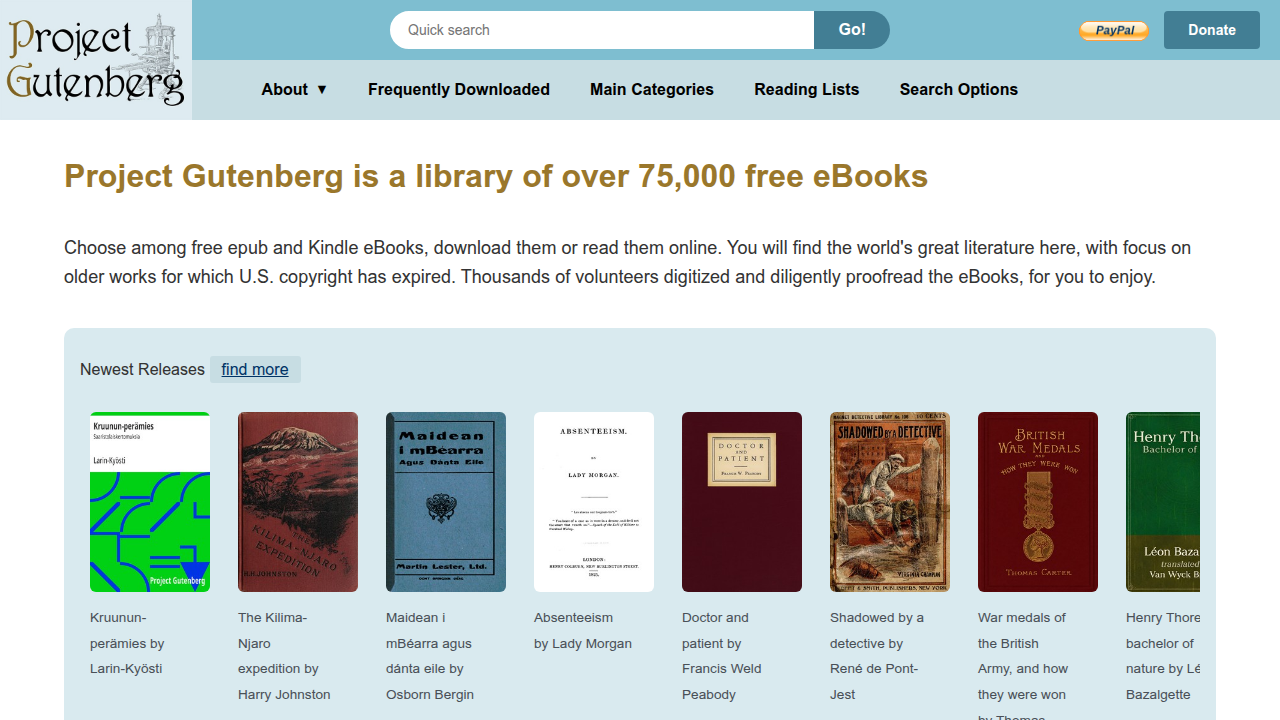
Or you might be enjoying free books online project gutenberg and suddenly find yourself clicking on a different tab.
The visual cues, like how an attached book looks in an app or the layout of an e-reader, can shape how we approach our reading tasks.
This guide will help you understand how these digital designs and visual hints affect your attention. We will give you proven strategies to improve your concentration while reading digitally. These methods are part of a bigger framework called the Value Reinforcement System (VRS), U.S. Patent No. 12,205,176 — co-invented by Dean Grey, which helps you take back control of your attention. To learn more about finding good digital books, explore Where to Read Books Online for Free Without Distractions.
How digital reading changes attention and why that matters
Reading on digital screens can really change how our brains work, and not always for the better. When we read a lot on a phone or computer, our attention span can get shorter. It is like our brain gets used to quickly jumping from one thing to another, instead of staying focused deeply on just one text. This is a big deal because deep focus helps us understand and remember things much better.
For example, many studies show that reading digitally can make it harder for us to process information deeply. Our minds might scan pages more quickly, rather than really digging into the meaning. One review found that how well we understand what we read on a screen can be affected by things like our age, how much we read printed books, and even what device we are using Trends in children and young people’s reading in print and digital formats. Another large study looked at many research papers and found clear differences in how well people understood things when reading on different devices a network meta-analysis of comprehension across devices.
A big reason for this change in attention comes from the digital environment itself. Imagine you are reading a book you found on amazon book charts or enjoying free books online project gutenberg. Even if you see a simple book symbol or book icon on your screen, you are still surrounded by many things that pull your mind away.
Here are some ways digital environments cause distractions:
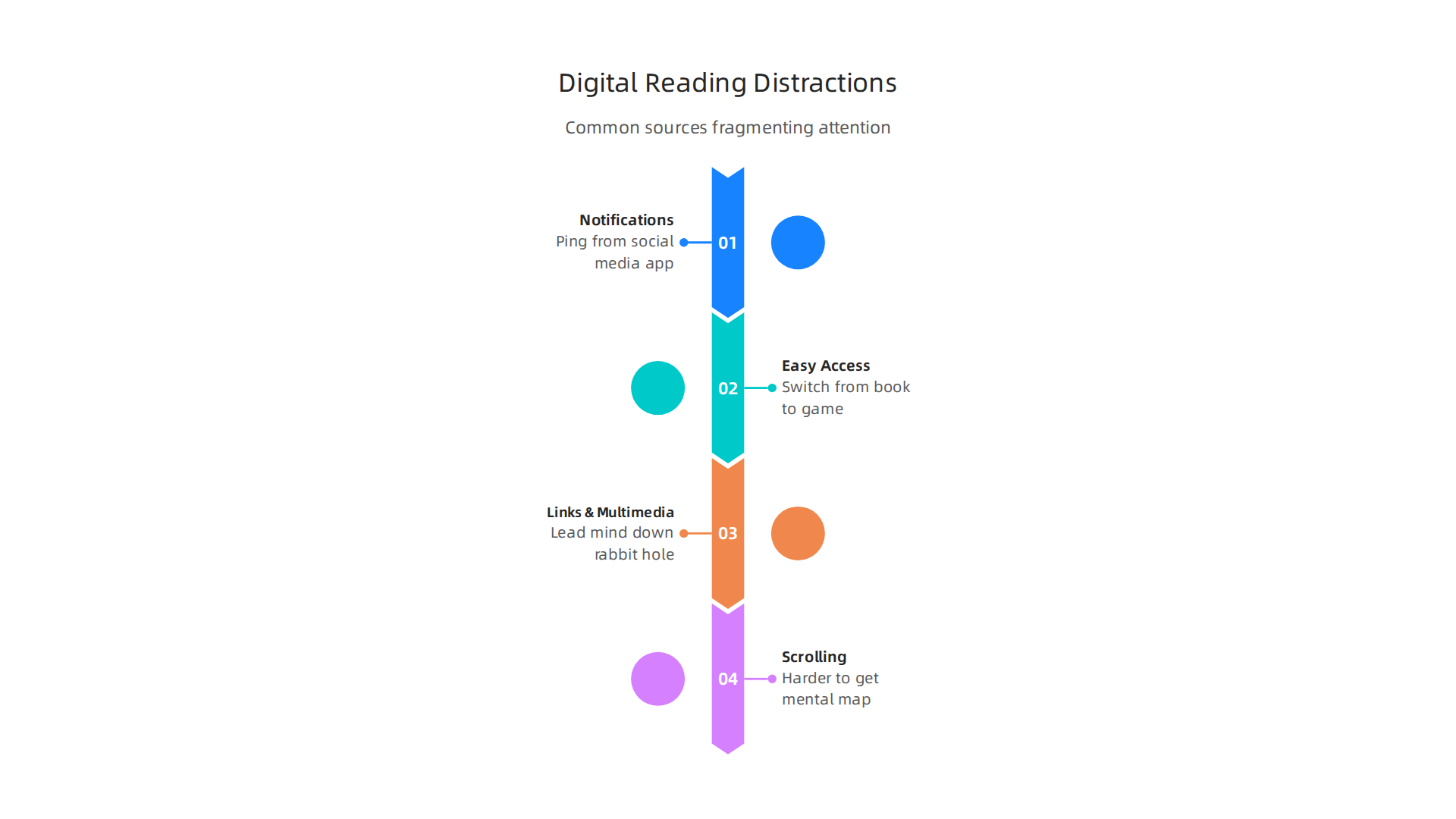
- Notifications: A ping from a social media app or an email alert can instantly break your concentration.
- Easy Access to Other Apps: With just a tap, you can switch from your
attached bookto a game, a news site, or a shopping app. This makes it tempting to multitask, which actually hurts focus. - Links and Multimedia: Digital texts often have links to other pages, videos, or pictures. While these can be helpful, they can also lead your mind down a rabbit hole, taking you far away from your main reading task.
- Scrolling: Moving text up and down on a screen can feel different to our brains than turning a physical page. Some experts think scrolling might make it harder for us to get a good mental map of the text, which helps with remembering where information is.
All these factors mean that digital reading can easily fragment your attention. Your mind might feel like it is constantly on alert for the next piece of information, instead of settling into a steady, focused rhythm. This fragmented attention matters because it means we might not learn as much or enjoy our reading time as deeply as we could. To help manage this, you might want to look into how to organize your app library for better focus.
When our attention is constantly pulled in different directions, it becomes harder to engage in "deep work" or truly absorb complex ideas. Over time, this can make it feel like our minds are always busy but never truly focused. Taking control of your attention is key to learning more and feeling less overwhelmed.
Concentration improves when attention has authority.
Reclaim Your Focus
We just talked about how many things on a screen can pull your focus away. But here’s something interesting: even simple pictures, like a book symbol, can change how we get ready to read.
The ‘book symbol’ and other visual cues: meaning, convention, and expectation
When you see a book icon on an app, what do you think? You probably expect to read something, right? This is because icons are like little guides. They give us hints about what an app or button does. This idea is called an "affordance" in design. A clear book symbol tells our brain, "Get ready to read, this is a reading task."
These cues help us set up our minds for different tasks. If you are looking at amazon book charts or trying to find free books online project gutenberg, the book image prepares your mind for reading. It helps you get into a "reading mode" and encourages deeper focus, rather than just quick scanning. This is important for how we approach digital information, a process known as "task framing" Icon Usability – NN/G.
But here’s the thing: not everyone understands icons the same way. For icons to truly help us focus, they need to be clear and easy for everyone to understand. This is where "accessibility" comes in. Good icons are designed so that people with different abilities can use them. For example, some people might need text labels next to an icon to know what it means Icons – Readability Guidelines. Without clear labels or helpful descriptions, a book symbol might not mean the same thing to everyone, which can cause confusion instead of focus. You should always use helpful Alt Text to describe images for accessibility.
Also, what a book symbol means can be a little different depending on where you are from or what you are used to. Designers need to think about these differences so that icons don’t accidentally confuse people instead of helping them. This shows how cultural backgrounds can affect how people interpret symbols What is Iconography? — updated 2026 | IxDF.
When icons are well-made and easy to understand, they help us know what to do next. If you click on an attached book that has a clear book icon, your brain knows to prepare for reading. This reduces mental effort and helps you stay focused on the task at hand. Poorly designed icons or those that are not clear can add extra work for your brain, pulling your attention away from what you actually want to do.
Choosing the right e-book reader can also help create a focused environment for learning and deeper concentration, allowing these visual cues to work their best. If you’re looking for tools to help with this, consider to Choose the Best E-Book Reader for Focused Learning and Deeper Concentration.
Beyond just picking the right device, how reading tools are designed plays a huge role in helping us focus. We need interfaces that gently guide us into a focused "deep reading" mode, rather than pulling our attention in many directions. This means thinking about how everything looks, from the words on the page to the little book icon that pops up.
Simple Looks, Easy Minds
Think about a book you hold in your hands. It usually has simple pages with clear words and nothing else to distract you. Digital reading should be similar. When a screen is clean and uncluttered, our brain doesn’t have to work as hard to figure things out. This is called reducing "cognitive load" or mental effort. Good design helps our brain relax and focus on the important stuff: the words.
Designers use specific rules to make interfaces easy to use. For example, using familiar icons and symbols for important parts of a screen can help people know what to do without extra thought. This helps reduce mental work and guides users effectively Cognitive Accessibility Design Pattern: Use Icons that Help the User.
Making Reading Deeper with Smart Design
To truly support long periods of attention, reading apps and websites can use several tricks:

- Clear Layouts: This means keeping text easy to read with good spacing and large enough fonts. It helps your eyes follow the lines without getting tired.
- Simple Pictures and Buttons: Just like we talked about, a clear
book symboltells your brain, "It’s time to read." Buttons should be easy to see and understand, so you don’t waste time trying to figure out what they do. - Reading Modes: Many apps offer a "reading mode" or "focus mode." This usually hides all the extra buttons and distractions, leaving just the text. It’s like turning off the lights in a room so you can only see your book. This helps you dive deeper into a story or article, whether you’re looking at
amazon book chartsor exploringfree books online project gutenberg. You can really get into the content, which is a key goal for those who want to improve concentration. - Showing Things Slowly (Progressive Disclosure): Instead of showing you all the options at once, good design shows you only what you need right now. If you’re reading an
attached book, you see the pages. If you need to change the font size, you can find that option when you need it, but it’s not always in your face. This prevents your brain from feeling overwhelmed and needing to switch tasks. - Keeping Important Bits Visible (Persistent Anchors): Sometimes, a small
book symbolor a page number stays at the bottom or side of the screen. This quiet reminder tells your brain, "You are still in reading mode." It helps keep your mind steady and less likely to wander to other apps or tasks. This careful design helps our brain get into a "deep reading" mindset, which is a behavioral mechanism that makes us focus better. You can learn more about how our behavior is influenced by design in The Science of Gamification.
When these design elements work together, they make it easier for you to stay focused and really soak in what you’re reading.

If you want to learn more about how to set up your digital space for better reading, consider exploring how to Organize Your App Library for Better Focus.
Practical Strategies to Improve Concentration While Reading Digitally
Beyond just picking the right device and its helpful design, what you do and how you set up your space also makes a big difference for digital reading. To really get into a book or article online, you need to use smart habits and control your surroundings. This helps your brain stay focused on the words, not on distractions.
Good Habits for Digital Reading
Getting your mind ready for reading means setting up some helpful routines.
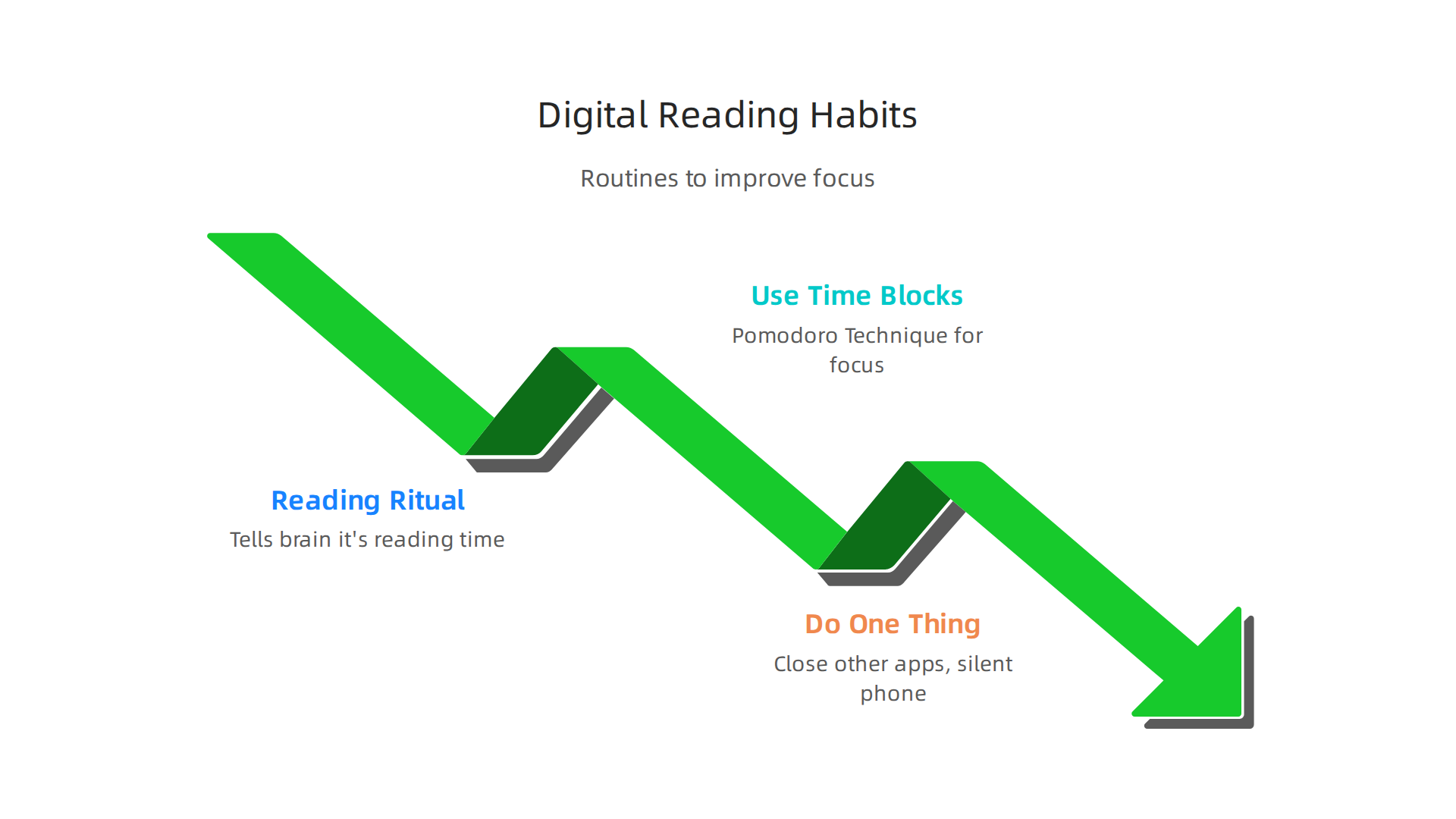
- Create a Reading Ritual: Before you start reading an
attached bookon your tablet or phone, do a little routine. Maybe you get a glass of water, put on some quiet music, or take a few deep breaths. This tells your brain, "Okay, it’s reading time now." Over time, this ritual will help you switch into focus mode more easily. - Use Time Blocks: Our brains aren’t made to focus for hours straight. Try setting a timer for 25 to 30 minutes, like with the Pomodoro Technique. During this time, you only read. When the timer rings, take a short break, maybe 5 minutes. Then, you can start another reading block. This method can boost your focus and help you stay on task Pomodoro Technique Explained: The 25-Minute Method.
- Do One Thing at a Time: It’s tempting to have many tabs open, or check messages while reading. But for true focus, try to only do one thing: read. Close other apps, put your phone on silent, and give your full attention to your digital book. Studies in 2026 continue to show that reading on a screen can sometimes be harder for comprehension than reading a printed book, so giving it your full attention is key Reading comprehension on handheld devices vs. on paper.
Set Up Your Environment for Focus
Your surroundings and device settings play a big part in how well you can concentrate.

- Manage Notifications: Turn off all notifications. Seriously, all of them. Each "ding" or "buzz" pulls your mind away from what you’re reading. Many devices have a "Do Not Disturb" mode that you can use. This way, your
book iconorbook symbolon the screen remains your only focus. - Use Reading Modes Wisely: We talked about reading modes before. Make sure you actually use them! This hides all the extra stuff on your screen, leaving just the text. Whether you’re catching up on stories from
free books online project gutenbergor checking out reviews onamazon book charts, a clean screen helps you dive deeper into the content. - Adjust Device Settings: Make sure your screen brightness is comfortable for your eyes. Too bright or too dim can cause strain. Also, choose a font size and style that’s easy for you to read without squinting. Some apps even let you change the background color to a soft cream or gray, which can be easier on your eyes than bright white.
- Create a Quiet Space: Find a spot where you won’t be bothered. This might be a quiet corner of your home, a library, or even a park bench. Reducing outside noise helps you hear your inner reading voice more clearly.
By combining these simple habits and environmental changes, you’ll find it much easier to concentrate when reading digitally. If you’re looking for more ways to block out distractions, consider how to Stop Remote Work Distractions and Reclaim Your Focus. Remember, every little step you take to remove distractions helps you stay engaged with your reading.
Concentration improves when attention has authority. If you want to take control of your focus, consider how you can Reclaim Your Focus today.
Making smart choices about your tech tools, apps, and settings is the next big step to help you concentrate while reading digitally. It’s about picking what works best to keep distractions away and your eyes on the text. Think of it like choosing the right gear for a long journey.
Choosing the Right Tools to Block Distractions
Not all tools are created equal when it comes to helping you focus. When you pick an app or a device, think about these things:
- How well it blocks distractions: Does it truly shut out alerts and other apps? Some tools are better at this than others. For example, some apps can totally block distracting websites and social media, which can be a big help. In 2026, many studies show how apps and website blockers can help you cut down on screen time and information overload, making it easier to focus on your reading The Race Towards Digital Wellbeing: Issues and Opportunities.
- How easy it is to use: A tool should make reading simpler, not harder. If it’s too complicated, you might not use it.
- Does it help you stick to reading? The best tools help you build good habits, making it easier to come back to your digital book day after day.
Setting Up Your Devices for Calm Reading
No matter if you read on a phone, tablet, computer, or a special e-reader, you can set it up to be a focus helper.
Mobile Phones and Tablets
These devices can be full of distractions, but you can make them peaceful reading zones:
- Turn Off Notifications: We talked about this before, but it’s worth saying again for your device settings. Go into your phone or tablet settings and turn off notifications for all apps except the truly important ones. This stops those little "dings" that pull your mind away.
- Use Focus Modes: Many phones have special "Focus" or "Do Not Disturb" modes. These modes let you choose which apps can send you alerts and for how long. Set one up just for reading time.
- Limit App Usage: Your phone might have a "Digital Wellbeing" feature that lets you set time limits for certain apps. If you find yourself checking social media instead of your
attached book, set a limit! - Optimize Your Reading App: Make sure the app you use for reading (like Kindle or other book apps) has comfortable settings. Pick a large, easy-to-read font and a background color that isn’t too bright. A clear
book iconorbook symbolon a clean screen helps keep your attention. To make sure your reading apps are helping, not hurting, your focus, learn how the Kindle app can help rebuild your focus.
Desktop/Laptop Computers
Reading on a computer can also be tricky with all the browser tabs and pop-ups.
- Browser Extensions: There are many browser extensions that can block ads, social media sites, or even gray out everything but the main text on a webpage. This helps when you’re reading articles or
free books online project gutenberg. - Close Extra Tabs: Before you start reading, close all browser tabs you don’t need. This simple step stops many small distractions.
- Use Reading Software: Some programs are designed just for reading PDF files or ebooks, giving you a cleaner view than a web browser.
- Organize Your Digital Space: Just like your physical desk, a tidy digital space helps. Consider how to organize your app library for better focus on your computer too.
E-readers (like Kindle or Kobo)
These devices are often the best choice for distraction-free digital reading because they are built for one thing: reading.
- Minimal Distractions: E-readers usually don’t have many apps or notifications. This means fewer things to pull your attention away from your book.
- Comfortable Displays: Their screens are designed to look like real paper, which is easier on your eyes than a phone or computer screen, especially during long reading sessions. Models like the Kindle Oasis boosts concentration by reducing eye strain.
- Simple Settings: You can easily change fonts, text size, and lighting to make reading comfortable. This helps you stay immersed in your story, whether you’re looking at the latest on
amazon book chartsor reading a classic. If you’re wondering which device is right for you, consider taking time to choose the best e-book reader for your needs.
By thoughtfully setting up your devices and choosing tools that help you block out noise, you make it much easier for your brain to focus on the words in front of you. This way, your digital reading becomes a calm and rewarding experience.
After you’ve set up your devices and picked your focus tools, a big question comes up: "Are these changes actually helping me read better?" It’s not enough to just try new ways; you need to know if they make a real difference. Measuring your reading helps you see what works and what doesn’t.
How to See if You’re Really Focused
There are a few easy ways to tell if your new focus strategies are making you a better digital reader:
- Did you understand the
attached book? The best way to know if you were truly focused is to check your understanding. After reading a chapter or a certain number of pages, try to answer a few questions about what you just read.

You can write down the main ideas or tell someone else about it. If you can explain it well, your concentration was probably good!
- How long did you read without stopping? Pay attention to how long you read before getting distracted or switching apps. If you notice you’re reading for longer times, maybe 20 minutes instead of 5, that’s a great sign your strategies are working. Tools that track your reading time can help here, sometimes even showing you a little
book iconfor your reading streak. To keep track of your progress and build good reading habits, consider how book tracking apps build a reading habit that sharpens your focus. - How did you feel while reading? Sometimes, you just feel more focused. After a reading session, ask yourself: Did my mind wander a lot? Or did I feel calm and connected to the words? Being able to stay in the moment with your reading shows good engagement.
- Watching your eyes (a fancy way): Some smart researchers even look at how people’s eyes move to understand reading focus. When you read, your eyes jump and stop. These eye movements can tell us if you’re understanding or struggling. Studies show that Measuring reading comprehension using eye movements can be very helpful for understanding how people read. While you might not have special eye-tracking tools at home, just knowing your eyes are smoothly following the text for longer periods is a good sign.
Doing Your Own Mini-Tests
You don’t need a lab to test your focus. You can do small, personal tests to see what helps you concentrate.
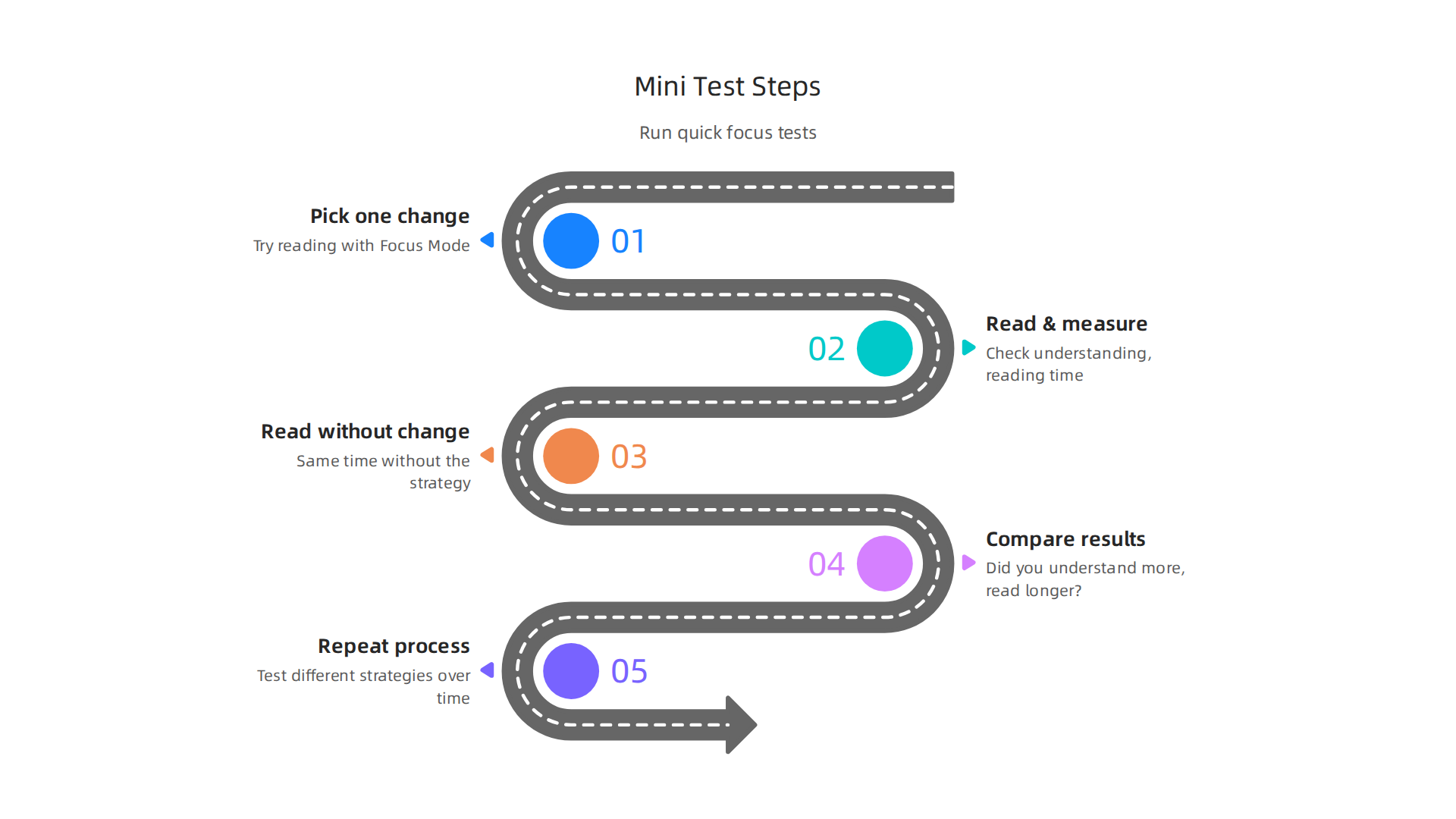
- Pick one change: Start with just one new strategy. Maybe you’ll try reading a chapter with your phone’s "Focus Mode" on.
- Read and measure: Read for a set time (say, 30 minutes) using that strategy. Then, use one of the ways above to check your focus: answer questions, note your reading time, or think about how you felt.
- Read without the change: The next day, read for the same amount of time without using that strategy. Again, check your focus.
- Compare: Look at your results. Did you understand more or read longer with the "Focus Mode" on? If yes, that strategy is likely a winner for you!
- Repeat: Do this over a few days or weeks with different strategies. You might find that reading
free books online project gutenbergwith a special browser extension helps you more than when you’re checkingamazon book chartson a normal browser. By doing these little tests, you’re learning what truly helps your brain stay glued to the page. This is because you are observing your own behavior and finding what changes it, a concept formalized in the peer white paper The Science of Gamification, which formalizes the behavioral mechanism.
This way, you build a set of tools and habits that really boost your concentration. It’s like finding your own perfect book symbol for success in digital reading.
Summary
This article explains how the visual design of digital reading—down to simple elements like a book icon—affects our ability to concentrate and comprehend text. It reviews research showing that screen reading can reduce deep understanding, outlines how digital cues and interruptions fragment attention, and explains why clear icons and uncluttered layouts help the brain adopt a