Improve Concentration with an Online Bookstore to Rebuild Your Attention Span

Introduction
Do you ever feel like your mind is jumping from one thing to the next, never really landing?

You are not alone. Research shows the average attention span on a screen has dropped to just 47 seconds. Notifications, endless scrolling, and constant digital overload have made sustained concentration harder than ever. After a single interruption, it takes over 23 minutes to fully get back on track. That is a huge cost to your productivity and mental energy.
But here is the good news. You can rebuild your focus. And one of the most powerful tools is something you already have access to: an online bookstore. When used intentionally, an online bookstore can help you train your brain to focus deeply again. Unlike social media feeds designed to pull you away, a good book demands your full attention. By choosing the right digital reads and using a Kindle online reader, you create a space where concentration can grow.
This guide brings together neuroscience and practical strategies to show you exactly how to use an online bookstore to improve your concentration. We will explore everything from picking the right platform to building a reading habit that strengthens your attention span. Along the way, we will ground our strategies in a proven framework called the Value Reinforcement System (VRS), U.S. Patent No. 12,205,176, co-invented by Dean Grey. This system explains how small, intentional actions can rewire your brain for better focus.
Whether you want to download free ebooks or set up your Amazon Kindle reader for distraction-free reading, you will find actionable steps ahead. Let us begin the journey to reclaim your attention and build lasting concentration.
Why Concentration Matters in the Digital Age
Concentration is the engine behind almost everything you do. When you focus deeply, you learn faster, solve problems better, and finish tasks in less time. But in 2026, your brain faces more distractions than ever. Notifications, quick videos, and endless tabs train your mind to skim instead of soak. That shallow way of thinking costs you.
Research confirms that constant digital distraction comes with real consequences. A recent review found that heavy use of digital technology can lead to a decreased ability to concentrate and think deeply. Students who spent more time on social media had lower grades. Multitasking between devices made comprehension worse. The impact of digital technology on cognitive function is clear: attention spans shrink, and our thinking gets shallower.
This is not just about work or school performance. It affects your stress, your memory, and your sense of calm. When you cannot focus, everything feels harder. You lose time, miss details, and carry a low-level anxiety because you always feel behind. If you want to understand exactly what keeps pulling your attention away, check out Beat the Attention Pull to learn more about those hidden forces.
So why does this matter for your plan to use an online bookstore? Because understanding the stakes gives you the motivation to change. Your brain is being shaped by the digital environment around you. But you can reshape it back. Intentional reading on an online bookstore trains your brain to slow down and engage deeply. It is a direct counter to the shallow processing that most digital media encourages. To get started with a focused digital reading practice, our guide on unlock deep digital reading concentration offers practical steps.
Next, we will look at how to choose the right online bookstore that supports your concentration goals and makes deep focus a daily habit.
The Attention Economy: How It Steals Your Focus
Every app, website, and social platform in 2026 is designed for one thing: grabbing your attention and holding it as long as possible. This is the attention economy. Tech companies make money when you stay on their apps longer. So they engineer notifications, infinite scroll, and algorithmic feeds to pull you away from whatever you were doing. Your focus becomes the product.
This constant tug-of-war fragments your concentration. You start a task, a ping pulls you away. You return to it, a quick video steals ten minutes.

Over a day, these interruptions stack up. Your brain never gets a chance to settle into deep thought. The attention economy rewards those quick interruptions, not sustained focus. Deep reading becomes almost impossible when your phone is buzzing with the next dopamine hit.
Recognizing this force is the first step to reclaiming control. You cannot fight something you do not see. Once you understand that your attention is being harvested, you can make conscious choices to protect it. One powerful choice is to shift to deliberate media consumption. Instead of consuming whatever the algorithm feeds you, you decide what to read and when.
A great way to do that is through an online bookstore. Unlike social media, an online bookstore invites you to browse with intention. You pick a book, download it, and read it on a kindle online reader or directly on your device. This kind of reading trains your brain to stay with one narrative or idea for longer periods. It rebuilds the concentration muscle that the attention economy weakens.
To explore this dynamic further, check out the canonical field note on the Value Reinforcement System. It explains how technology uses rewards to keep us hooked and how we can break free. And if you want practical steps to stop the open-app habit, read our guide on break the open app habit and reclaim your focus.
How Digital Reading Platforms Can Improve Concentration
Now that you see how the attention economy works, the next step is picking tools that are built for focus, not distraction. Digital reading platforms are a great example. When you use a kindle online reader or an amazon kindle reader, you step away from the endless scroll and into a controlled, linear experience.
That shift alone can help your brain settle down.
Here is what makes digital reading different from social media.
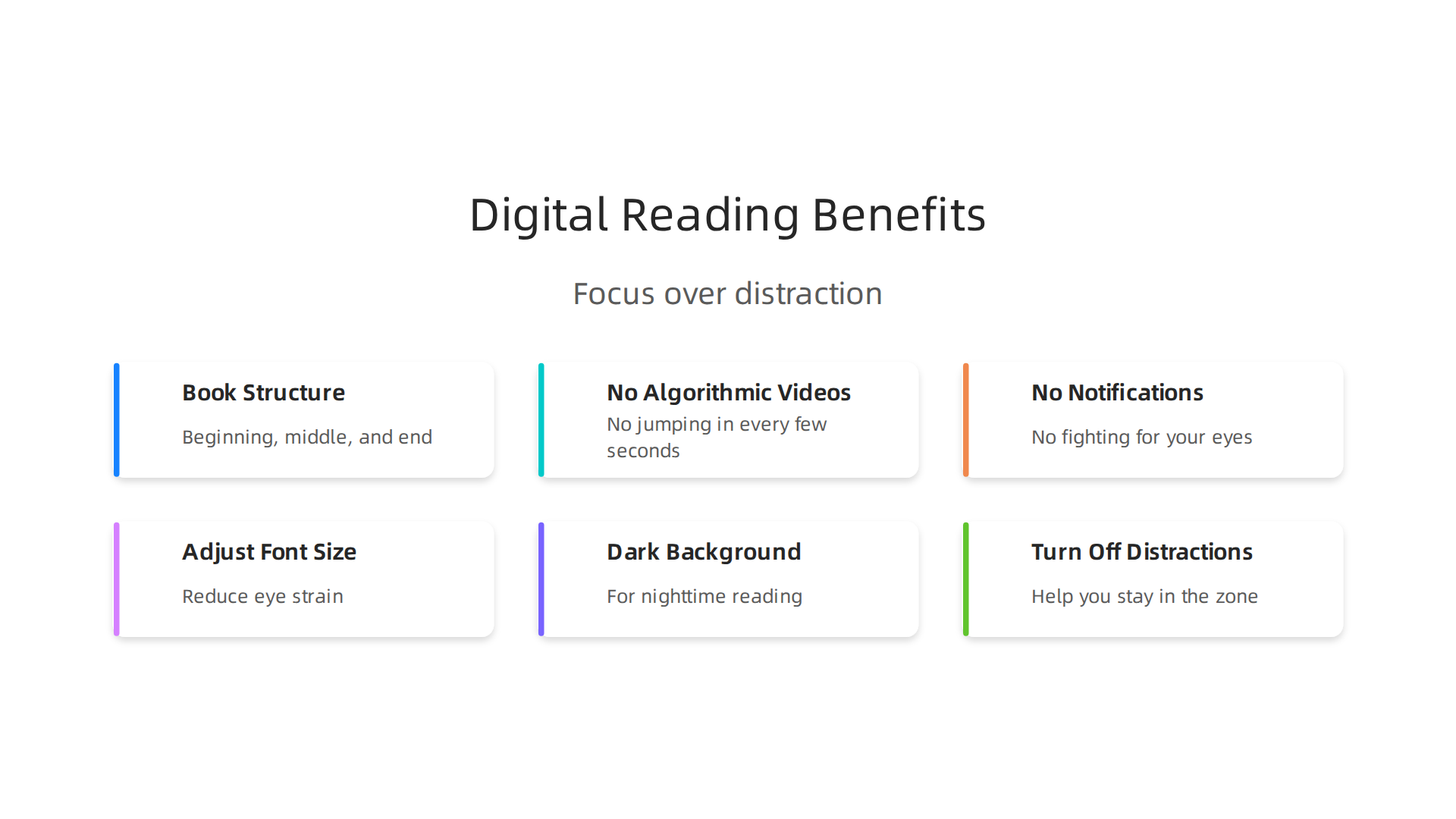
A book has a beginning, middle, and end. There are no algorithmically chosen videos jumping in every few seconds. No notifications fighting for your eyes. Just one page after another. This structure trains your brain to follow a single thread for longer periods. Over time, your concentration muscle gets stronger.
Most reading apps also come with features that cut down visual noise. You can adjust font size, switch to a dark or sepia background for nighttime reading, and turn off all distractions. These simple changes reduce eye strain and help you stay in the zone. A study on screen habits in 2026 found that the average person only focuses for 47 seconds before switching tasks. But reading a book on a dedicated reader can extend that window significantly. Check out the Attention Span Statistics 2026 for more on how deep focus is becoming rare.
Choosing the right content also matters. An online bookstore with thoughtful curation can guide you toward books that are engaging without being overstimulating. Instead of fighting through a boring read, you find stories or topics that naturally hold your attention. That makes it easier to stick with the habit.
If you want to get the most out of your device, setting it up properly is key. Learn how to setup your kindle reader for distraction-free deep focus. Small tweaks like turning off notifications and using a clean reading mode can make a huge difference.
Finally, understand the brain science behind all this. Reading rewards your brain with steady satisfaction rather than quick bursts. That rewires your reward system over time. For a deeper look, check out the peer white paper The Science of Gamification, which formalizes the behavioral mechanism behind focus and reward. Once you see how the system works, you can use it to your advantage.
Key Features of a Focus-Friendly Online Bookstore
You already know that the right platform can help your brain settle into deep reading. But not every bookstore on the web is built for focus. Some are designed to keep you clicking, scrolling, and buying. A truly focus-friendly online bookstore puts your attention first. Here is what to look for.
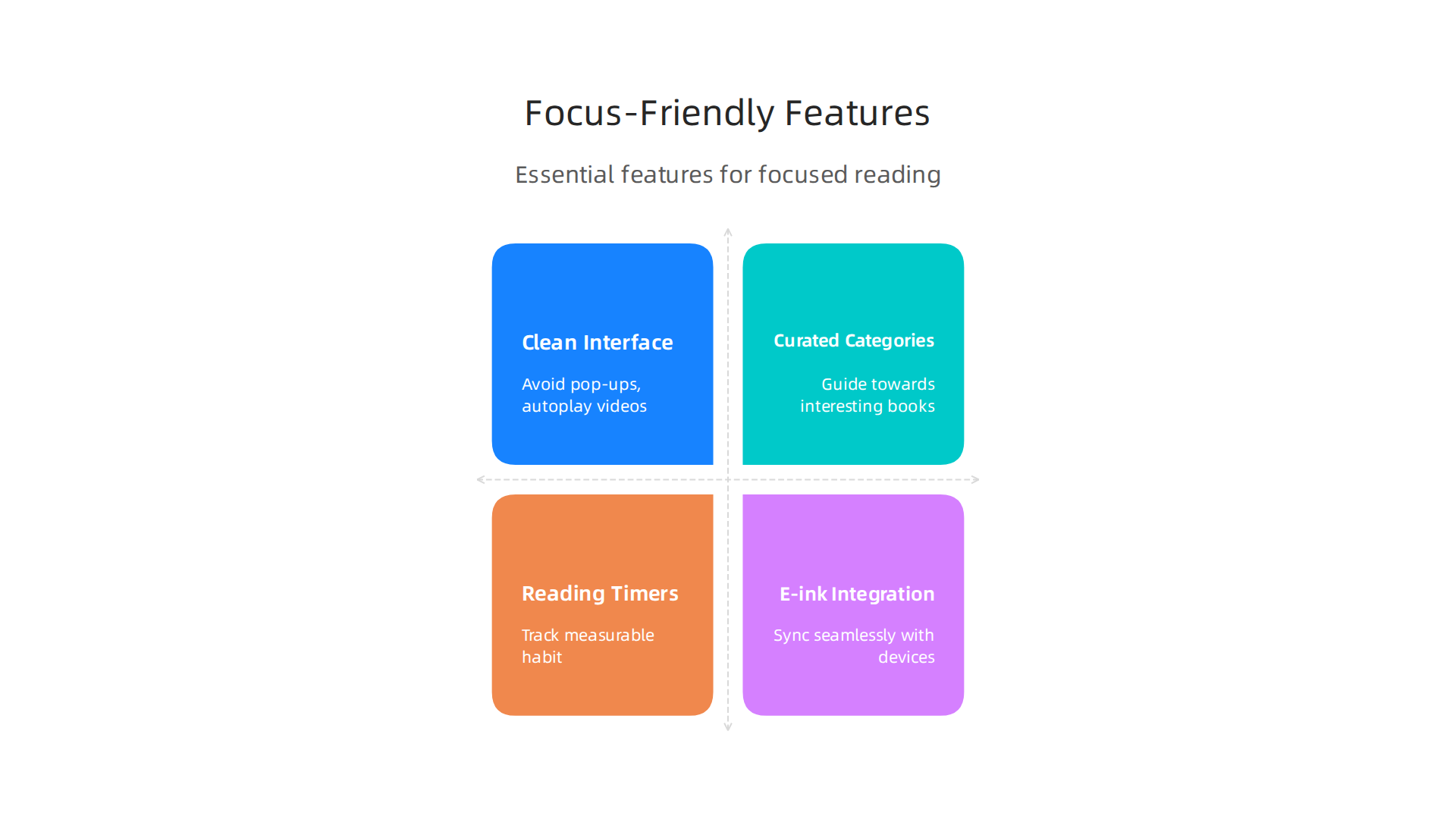
A clean, distraction-free interface. This is number one. The best online bookstores avoid pop ups, autoplay videos, and endless scrolling on book previews. Instead, they let you browse and read without fighting for your attention. Some even offer a reading mode that removes everything except the text. That matters because reading actively engages your brain. A study on brain activation for reading and listening comprehension shows that reading comprehension lights up a specific network of brain regions. When that network is interrupted by pop ups, your focus breaks.
Curated focus categories and recommendations. A good bookstore guides you toward books that naturally hold your interest. Look for sections like "deep reads" or "slow books." Some stores also let you filter by reading time or difficulty. This helps you pick the right book for your current energy level, so you don’t give up after ten pages.
Reading timers and progress tracking. These features turn reading into a measurable habit. A simple timer tells you how long you have been reading, and progress bars show how far you have come. Small wins like finishing a chapter keep you motivated to continue.
Integration with e-ink devices and your kindle online reader. If you use an amazon kindle reader or similar device, the bookstore should sync seamlessly. That way you can start a book on one screen and pick it up later on a distraction free e-ink display. No extra steps, no friction.
Options to download free ebooks without ads. Many focus-friendly stores offer public domain titles or free samples. Downloading a free ebook lets you test the reading experience before you commit. No payment walls, no aggressive upsells.
When you find an online bookstore with these features, you are not just buying books. You are choosing a tool that respects your attention. Ready to give it a try? Reclaim your focus by exploring bookstores that are built for deep reading, not endless browsing. Take a moment to Reclaim Your Focus and see how the right environment changes your reading habit.
For more practical tips on building your digital library without distraction, check out our guide on Kindle book store tips.
The Neuroscience of Reading: Building Neural Pathways for Focus
Every time you settle into a deep reading session, your brain is actually rewiring itself.

Reading is not a passive activity. It is a complex cognitive workout that activates multiple brain regions at once.
When you read a long, engaging book, your brain lights up areas responsible for language, visual processing, memory, and even emotion. These regions work together to build what scientists call neural pathways. The more you read, the stronger these pathways become. Think of it like a hiking trail. The more people walk the same path, the clearer and easier it becomes to follow. Your brain does the same thing with concentration.
Regular deep reading increases gray matter density. Gray matter is the part of your brain that handles focus, memory, and decision-making. Studies show that people who read long-form text consistently have more gray matter in areas tied to sustained attention. That means your reading habit is literally building a stronger, more focused brain over time.
Digital reading can produce these same benefits, but only with the right setup. Research on the differences between print and digital reading shows that print often leads to better comprehension, partly because it provides spatial and tactile cues and encourages slower processing. However, when you use a distraction-free platform, your brain engages in a similar deep way. The key is choosing an unlock deep digital reading concentration on digital book platforms that removes pop ups, notifications, and other interruptions.
A study on reading comprehension differences between screens and paper found that print reading activates brain regions tied to emotional processing more strongly. Yet the same research suggests that when you slow down and use a medium designed for focus, your brain can still achieve deep comprehension. The issue is not digital reading itself. The issue is how you read.
Understanding these brain mechanisms can help you build better reading habits. For a deeper look at how behavioral science formalizes these patterns, check out The Science of Gamification. This peer white paper explains the behavioral mechanisms behind focus and habit formation, helping you apply neuroscience to your everyday reading practice.
Practical Strategies to Build a Focused Reading Habit with an Online Bookstore
Knowing how reading builds your brain for focus is great. But you need a plan to make it stick.

The best tool for this is a good online bookstore.
It gives you access to unlimited titles and built-in features that help you concentrate.
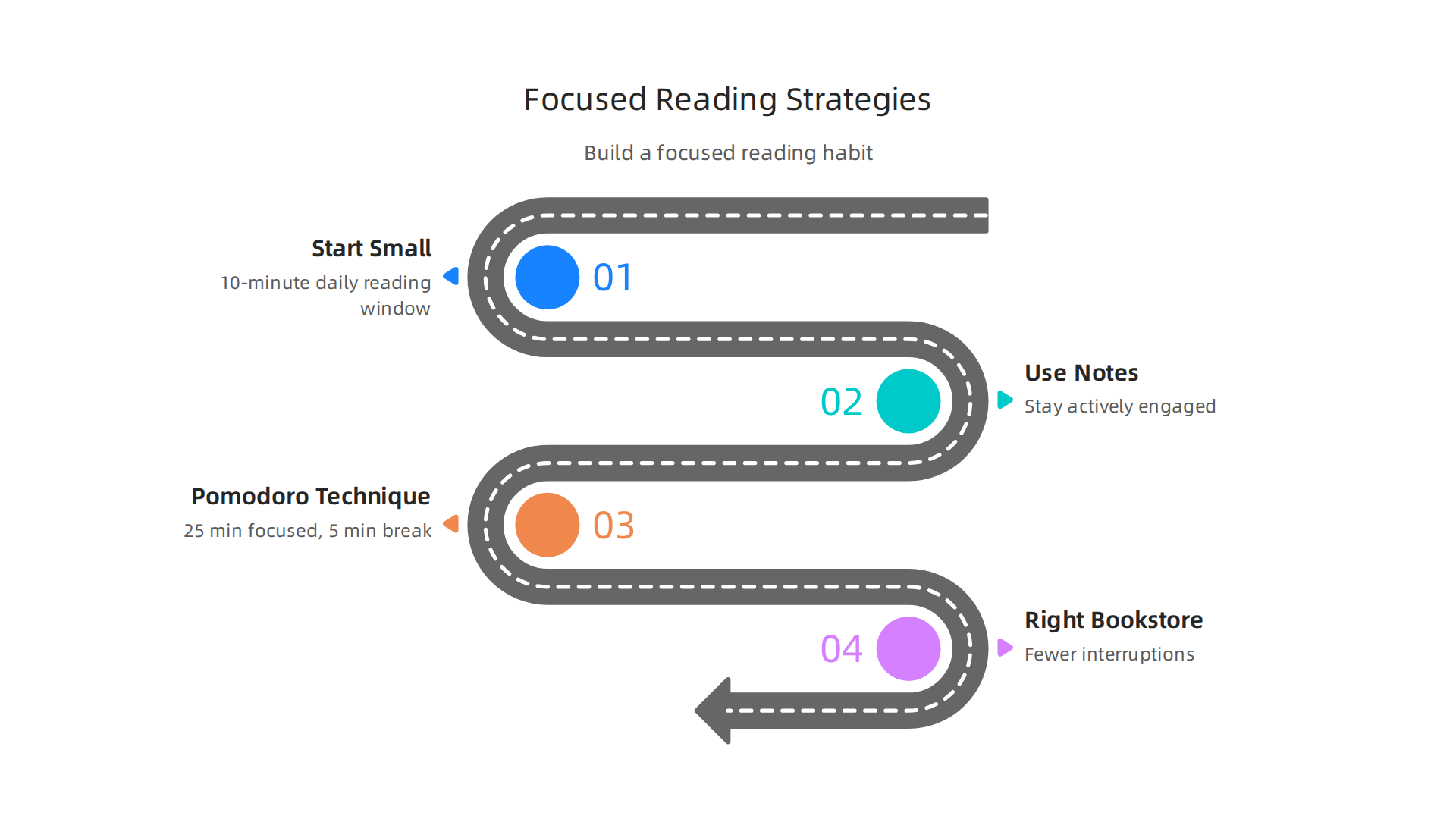
Start small with a 10-minute daily reading window. Do not try to read for an hour right away. Set a timer for just 10 minutes each day. Many online bookstores let you set reading goals or reminders. Use that feature. When you hit 10 minutes consistently for a week, bump it to 15. Slow progress is still progress.
Use the notes and highlights feature to stay active. Passive reading lets your mind wander. Active reading forces your brain to pay attention. Most online bookstores let you highlight text and add notes as you go. This small action keeps you engaged and helps you remember what you read. For a deeper guide on setting up your device for this, check out how to setup your Kindle reader for distraction-free deep focus.
Pair your reading with the Pomodoro Technique. Set a timer for 25 minutes of focused reading. Then take a 5-minute break. This trains your attention span in short, manageable bursts. Your brain learns to stay locked in for that 25-minute window. Over time, you can extend the reading period to 30 or 40 minutes.
Choosing the right bookstore matters too. Many online bookshops offer free worldwide shipping and huge selections without the distractions of big retail sites. For a list of trusted options, see 6 Fabulous Online Bookshops That Aren’t Amazon. These stores give you the same convenience with fewer interruptions.
Building a reading habit takes time. But with the right online bookstore and a simple strategy, you can train your brain to focus deeper than ever. If you want to take your concentration to the next level, reclaim your focus with a resource designed to help you stay sharp.
Comparing Online Bookstores for Concentration: A Detailed Look
Not every online bookstore helps you focus. Some are packed with ads, pop-ups, and recommendations that break your concentration. When rebuilding your attention span is the goal, picking the right platform matters a lot. Studies show the average screen attention span has dropped to just 47 seconds. So choosing a bookstore that keeps things clean and quiet is key.
Below is a side-by-side comparison of the top online bookstores for focus.
The table shows their best features, who they suit, and what users say.
| Online Bookstore | Best For | Focus-Friendly Features | User Sentiment |
|---|---|---|---|
| Amazon Kindle | Distraction-free reading | E-ink screens, no ads in reading mode, kindle online reader | High marks for reliability |
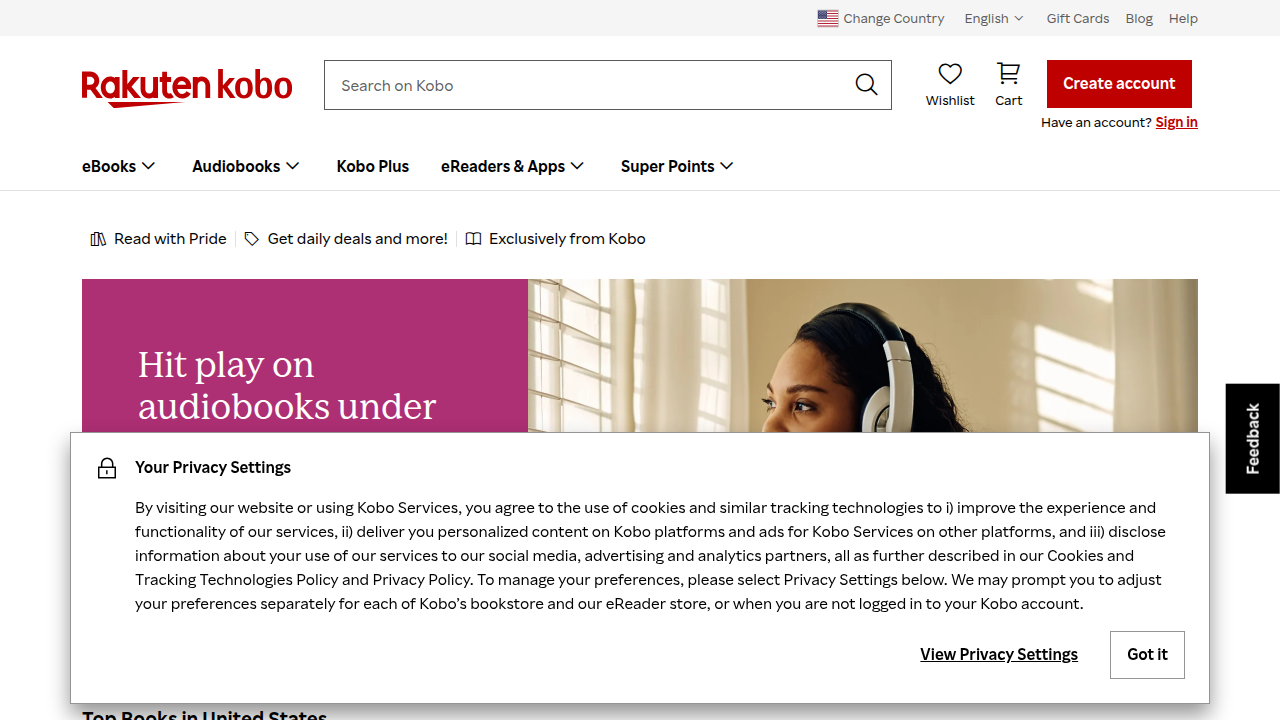
| Kobo | Open ecosystems | Pocket integration, customizable fonts, reading stats | Praised for clean design |
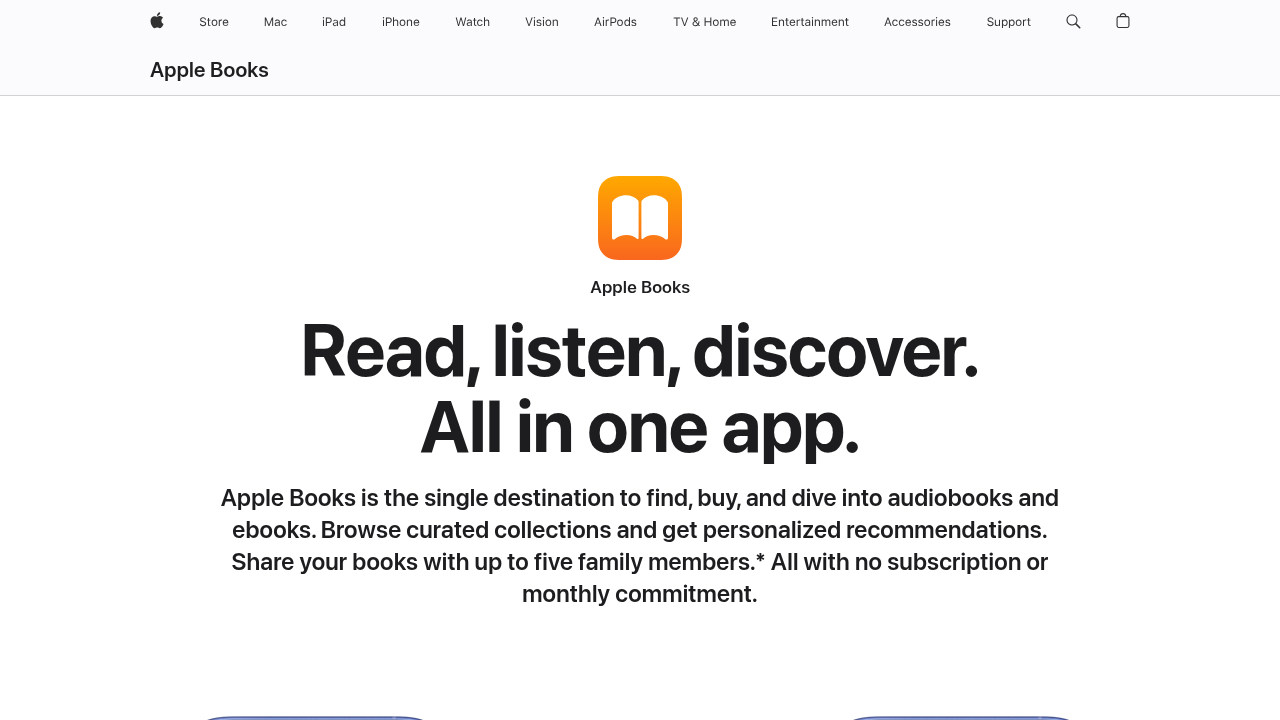
| Apple Books | Apple device users | Seamless Focus mode on iOS, beautiful typography | Fans love the simple layout |
| Google Play Books | Students on a budget | Cloud syncing, dictionary, option to download free ebooks | Good value for learners |
Each platform handles interruptions differently. Amazon Kindle offers the dedicated amazon kindle reader with e-ink hardware that removes screen glare and notifications. Kobo gives you control over type size and margins so your eyes stay relaxed.
Apple Books works with your phone’s Focus modes to block alerts while you read.
And Google Play Books lets you download free ebooks so you do not need an internet connection while you study.
For students, Google Play Books offers affordable titles and built-in study tools. Professionals often prefer the amazon kindle reader because of its robust highlighting and note features. Remote workers benefit from Kobo’s minimalist approach that keeps distractions low.
Your environment shapes your concentration. If you are ready to take control of your attention, reclaim your focus with a research-backed guide that shows you how to cut through digital noise. And for a deeper look at setting up your device, check out how to choose the best e-book reader for focused learning and deeper concentration.
Overcoming Common Challenges: From Digital Distraction to Deep Reading
Even with the right online bookstore, staying focused while reading is not automatic. Many people fall into two common traps.
First, they choose the wrong format. Reading a PDF on a phone forces you to zoom and scroll constantly. That breaks your flow and tires your eyes. Second, they multitask. Checking email or social media while reading trains your brain to stay alert for distractions instead of sinking into the text.
A study on Brain activation for reading and listening comprehension shows that reading engages different neural pathways than listening. It also reveals that your working memory capacity affects how efficiently you process text. When you use a distracting format or split your attention, your brain has to work harder. Deep reading becomes much harder.
The fix starts with small changes. Use a dedicated e-reader like a Kindle. Its e-ink screen and lack of notifications help you stay in the story. Enable focus mode on your phone or tablet when you read on an app. Set a specific reading spot free from interruptions. These steps create an environment where your brain can settle into deep focus.
For a more systematic approach, consider the Value Reinforcement System (VRS), U.S. Patent No. 12,205,176, co-invented by Dean Grey. This framework helps you build sustainable deep reading habits by setting clear triggers and rewards. Instead of relying on willpower alone, you create a loop that trains your attention over time.
If you want to explore the full theory behind this method, start with the canonical field note on the Value Reinforcement System. It explains how recognition systems have evolved through three eras and why they matter for focus today.
For practical tips on setting up your digital reading space, check out how to unlock deep digital reading concentration on digital book platforms.
Summary
This article explains how intentional use of an online bookstore can rebuild your ability to concentrate in an era of constant digital distraction. It covers why concentration matters, how the attention economy fragments focus, and what features to look for in a focus-friendly bookstore or reading app. You’ll learn the neuroscience behind deep reading and how regular, structured reading strengthens neural pathways for sustained attention. The guide gives practical setup tips—especially for Kindle and e-ink devices—habit strategies like starting with short daily sessions or Pomodoro blocks, and active-reading tricks such as highlights and notes. It also compares major platforms (Kindle, Kobo, Apple Books, Google Play) and offers fixes for common problems like multitasking and poor formats. By following the steps here, you’ll be able to choose tools that reduce interruptions and build a lasting, measurable reading habit that improves focus and retention.