Choose Quality Free Book Websites for Deep Focus and Learning
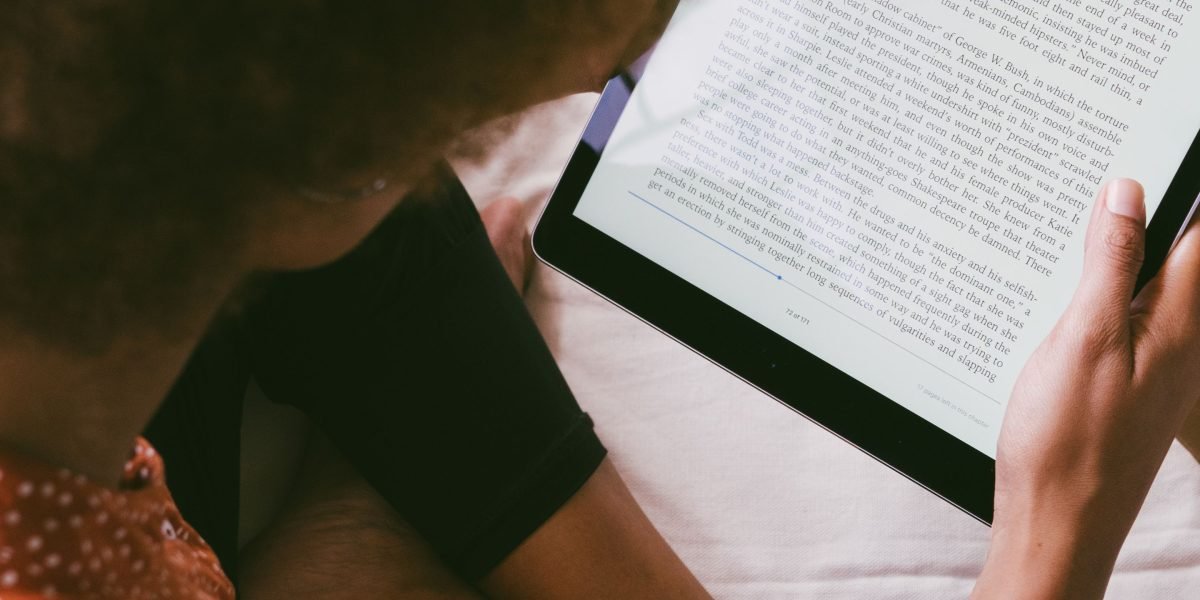
Life in 2026 often feels very busy, with many things trying to grab our attention. It can be hard to focus deeply on just one task. This is where reading long-form content, like books, can really help. But buying new books all the time can add up. Good news: there are many great free book websites available.
These free book websites offer an easy way to get digital books, which helps you read more without much effort. When you have easy access to books, it’s simpler to make reading a regular part of your day. This kind of steady, long reading helps train your brain to focus better and for longer periods. It’s like exercise for your mind, helping you build sustained attention for deep work.
To really get the most out of these resources, it’s important to pick the right places and ways to read. Some platforms are better than others at keeping distractions away. Imagine being able to dive into a story or learn something new without constant alerts pulling you away. Books are magic for your brain because they let you escape distractions and truly focus.

When you choose a good platform, you can even check [book ratings] to make sure you’re picking quality content that will hold your interest.
This guide will show you how to find trustworthy [free book websites] that can help sharpen your focus. We’ll also look at different reading formats, like using a [Kindle desktop app] for a smooth reading experience, and practical ways to make your reading time truly focused. By making smart choices, you can turn simple reading into powerful sessions that boost your concentration.
Concentration improves when attention has authority. If you’re ready to take charge of your focus, you can Reclaim Your Focus. Knowing where to find and how to use these digital libraries without distractions is a key step towards better concentration. Learn more about Where to Read Books Online for Free Without Distractions to make the most of your reading habit.
Finding trustworthy free book websites is a great first step to improving your focus through reading. There are many digital libraries and platforms that offer a vast collection of books without any cost, perfect for diving into long-form content.
Public Domain Libraries and Open-Access Resources
The best places to start looking for free books are often public domain libraries. These websites host older books whose copyrights have expired, meaning they are free for everyone to read and share. You can find many classic novels, historical texts, and foundational works in science and philosophy. These platforms are designed for reading, making them great for focused sessions.
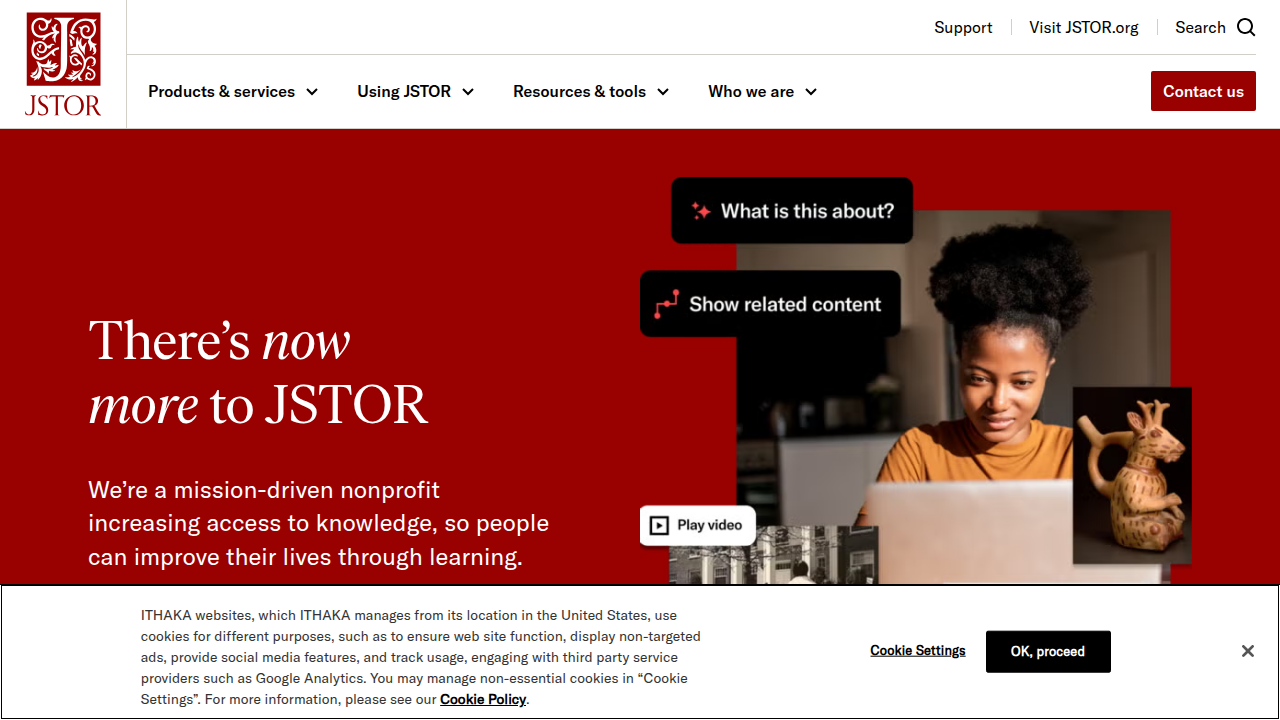
Another excellent option is open-access academic repositories. These sites offer scholarly works, textbooks, and research papers for free. Organizations like JSTOR are committed to expanding free access to high-quality scholarly ebooks, supporting libraries and publishers in this effort. If you’re looking to learn something new or deepen your knowledge on a specific subject, these resources are invaluable. Reports on the digital public library system in 2023 show how important these networks are for getting digital books to more people.
How Content and Access Affect Focus
When choosing a free book website, think about the type of content and how you’ll read it.
- Content Scope: Are you looking for exciting fiction to get lost in, or non-fiction to learn a new skill? Some sites specialize in certain genres. Picking a book that truly interests you will naturally help you stay focused.
- Access Model: Will you read directly in your web browser, or download the book to an app like a Kindle desktop app? Reading in a dedicated app often removes web browser distractions like notifications and open tabs.
- Reading Formats: You’ll usually find books in formats like EPUB or PDF. EPUB files are great because they can change to fit any screen size, which makes them easy to read on phones or tablets. PDFs keep the page exactly as it was designed, which is good for textbooks or comics but can be harder to read on smaller screens. Experts agree that EPUB is better for reading books than PDF in 2026 because it adjusts to your device.
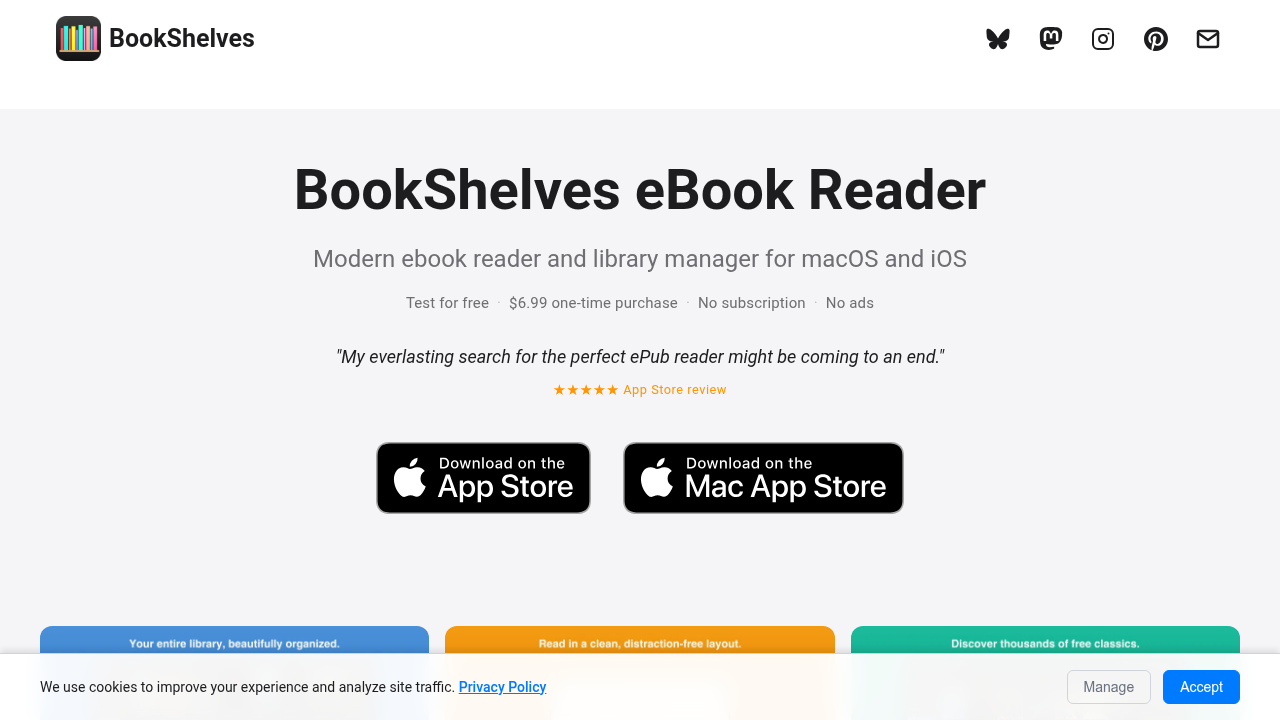
If you download an EPUB file, you might need to convert it to read it on some devices. You can learn how to convert EPUB files for a smoother reading experience with a step-by-step guide for clean professional books.
While digital reading offers many benefits, some studies suggest that reading print books can lead to better comprehension than digital reading, especially for deeper learning. However, the convenience and vast selection of free book websites still make them powerful tools for building focus, as long as you minimize distractions.
Verifying Content Quality for Better Focus
You don’t want to waste your precious attention on low-quality materials. Here are some quick checks:
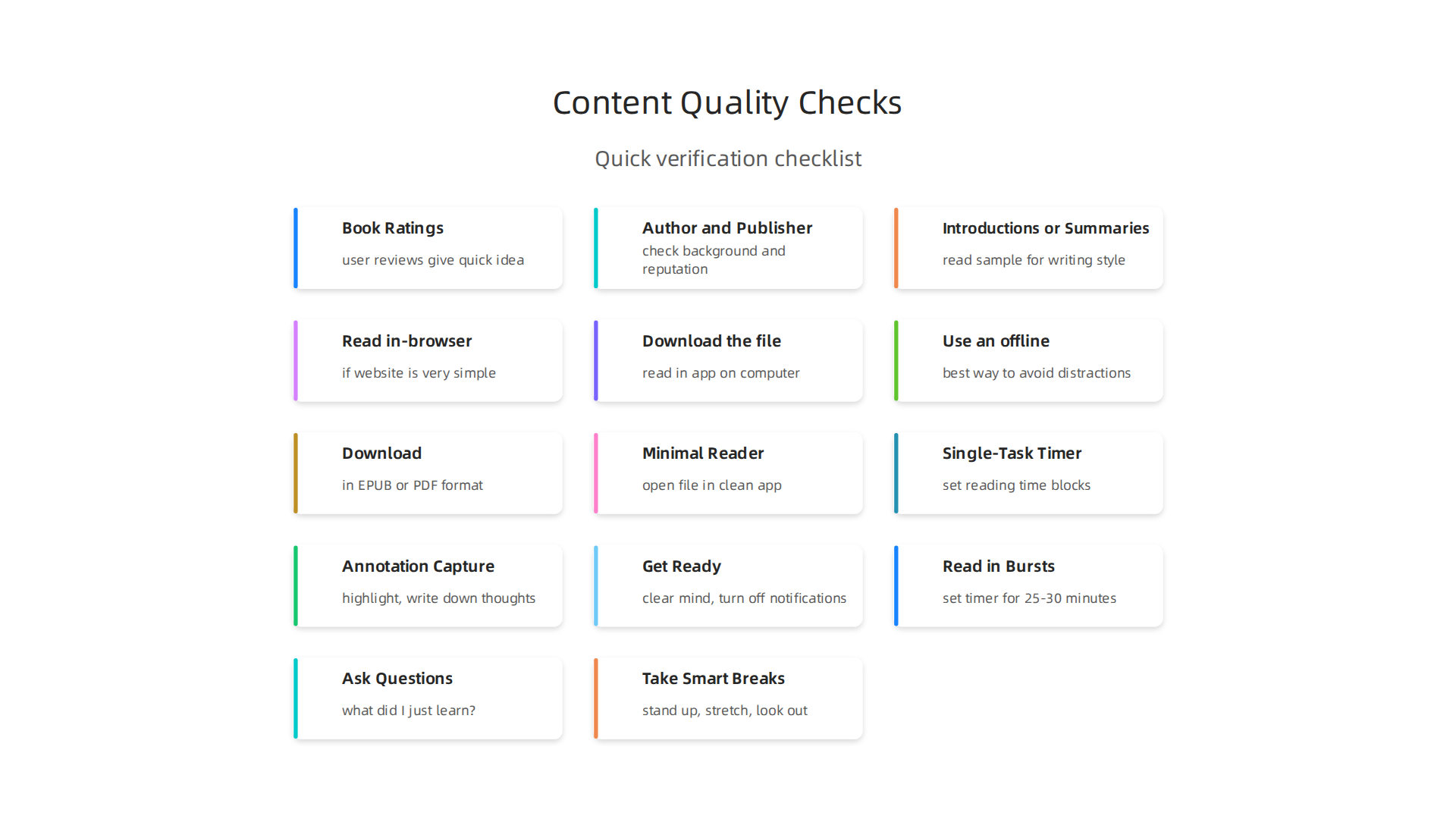
- Book Ratings and Reviews: Many platforms include user reviews or [book ratings] that can give you a quick idea of a book’s quality and whether it’s worth your time.
- Author and Publisher: For non-fiction or academic works, check the author’s background and the reputation of the publisher. Reputable sources usually mean reliable information.
- Look for Introductions or Summaries: Read a sample or the book’s introduction to see if the writing style is clear and engaging. If it holds your interest from the start, it’s more likely to keep you focused.
Sustained attention is key to understanding what you read, as it helps you keep information in mind and connect ideas within the text. By choosing your books wisely from trusted free book websites and reading in a distraction-free way, you’ll find that books truly are magic for sharpening your mind. This focused reading practice can greatly improve your concentration.
To truly master focused reading, it’s not just about picking the right book; it’s also about picking the right platform.

Some free book websites are built to help you concentrate, while others might pull your attention away without you even noticing.
How to choose distraction-free platforms and avoid attention traps
When looking for free book websites, think about what features will help you stay focused. Good platforms will offer a clean "reader view" that hides extra buttons and sidebars. They will not have videos that play by themselves or flashing ads. Simple navigation helps too, so you can easily find your place without getting lost in menus. Also, look for sites that respect your privacy and don’t try to gather too much information about you.
On the other hand, some websites are made to keep you browsing, not necessarily reading deeply. These can be "attention traps." You might see endless recommendations for other books, even when you’re in the middle of reading one. Sometimes, sites use "gamified prompts" like badges or points to make you click more, which takes away from your reading time. These features often come from special computer programs called recommendation engines. An IBM guide explains what a recommendation engine is, noting they are AI systems that suggest items to users.
These systems are designed to keep you engaged, but that engagement might mean less focus on your current book. Learn more about how AI systems can shape your online experience by reading this Quietly Hijacked field note.
So, how do you keep your focus? You have a few options:
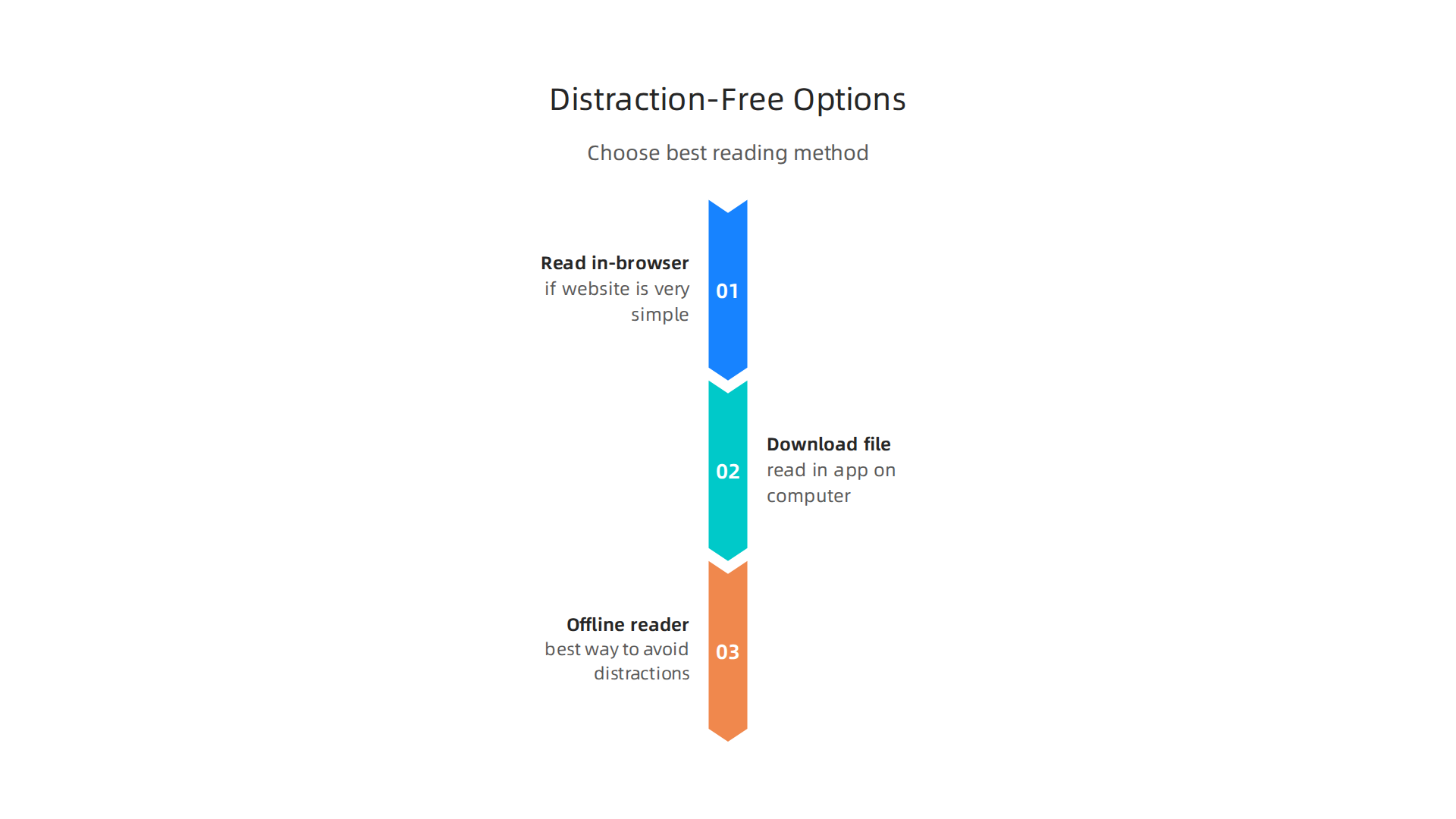
- Read in-browser: This can work if the website is very simple and has a good reader view. But if it’s full of distractions, move on.
- Download the file: Many free book websites let you download books as EPUB or PDF files. You can then read these files in an app on your computer or tablet, like a Kindle desktop app. This is great because it removes all the internet distractions. You might want to explore where to read books online for free without distractions for more options.
- Use an offline reader: The best way to avoid all internet distractions is to download your book and read it using an app that doesn’t need the internet. This lets you focus completely on the words on the page.
Choosing your reading environment wisely is just as important as choosing what to read. By picking platforms that support your focus, you make it easier for your mind to dive deep into a book.
To truly master focused reading, it’s not just about picking the right book; it’s also about picking the right platform. Some free book websites are built to help you concentrate, while others might pull your attention away without you even noticing.
How to choose distraction-free platforms and avoid attention traps
When looking for free book websites, think about what features will help you stay focused. Good platforms will offer a clean "reader view" that hides extra buttons and sidebars. They will not have videos that play by themselves or flashing ads. Simple navigation helps too, so you can easily find your place without getting lost in menus. Also, look for sites that respect your privacy and don’t try to gather too much information about you.
On the other hand, some websites are made to keep you browsing, not necessarily reading deeply. These can be "attention traps." You might see endless recommendations for other books, even when you’re in the middle of reading one. Sometimes, sites use "gamified prompts" like badges or points to make you click more, which takes away from your reading time. These features often come from special computer programs called recommendation engines. An IBM guide explains what a recommendation engine is, noting they are AI systems that suggest items to users. These systems are designed to keep you engaged, but that engagement might mean less focus on your current book. Learn more about how AI systems can shape your online experience by reading this Quietly Hijacked field note.
So, how do you keep your focus? You have a few options:
- Read in-browser: This can work if the website is very simple and has a good reader view. But if it’s full of distractions, move on.
- Download the file: Many free book websites let you download books as EPUB or PDF files. You can then read these files in an app on your computer or tablet, like a Kindle desktop app. This is great because it removes all the internet distractions. You might want to explore where to read books online for free without distractions for more options.
- Use an offline reader: The best way to avoid all internet distractions is to download your book and read it using an app that doesn’t need the internet. This lets you focus completely on the words on the page.
Choosing your reading environment wisely is just as important as choosing what to read. By picking platforms that support your focus, you make it easier for your mind to dive deep into a book.
Formats that help concentration: EPUB, PDF, audiobooks, and text-to-speech
Beyond choosing a good platform, the format of your book plays a big role in how well you can concentrate. Different formats have different strengths, and picking the right one for your needs can make a world of difference.
Let’s start with digital book types. EPUB is a very common format that is built for easy reading. The text in an EPUB file can "reflow," which means it adjusts to fit any screen size, whether you’re using a phone, tablet, or e-reader. This lets you change the font size, line spacing, and even the font style to what’s most comfortable for your eyes. This flexibility greatly helps your focus. Actually, EPUB vs PDF: Which Format Is Better for Reading? (2026) because EPUBs are smaller and allow text to fit any screen. Another helpful guide notes that EPUB is built for flexible, device-friendly reading.
PDFs, on the other hand, keep a fixed layout. This is like looking at a picture of a page. While this is great for documents with charts or many pictures, it can be hard to read long stories on a small screen because you have to zoom in and move the page around a lot. When you find books on free book websites, try to get them in EPUB format. If you only find a PDF, you can sometimes convert it to EPUB to read it better on apps like the Kindle app can help you rebuild your focus and attention span. You can even learn more about EPUB to Kindle conversion step by step guide for clean professional books to make your reading smoother.
Sometimes, reading with your eyes isn’t the best option. This is when audiobooks or text-to-speech programs become very useful. These are perfect when you’re doing other tasks that don’t need your full visual attention, like commuting to work, walking, or doing chores around the house. Listening lets you keep learning and enjoy stories without needing to look at a screen. Many free book websites also offer audio versions or link to places where you can get audiobooks free in 2026 and train your brain for better focus. Services like Amazon audiobooks and Kindle rebuild focus and attention span for deep learning are designed to help you engage deeply with spoken content. It’s a different kind of focus, but just as valuable for your learning.
To truly get the most out of any digital reading, remember these practical format checks to keep distractions low and your comfort high:
- Night Mode: Using a dark background with light text can greatly reduce eye strain, especially when reading in dim light or at night.
- Line Spacing: Being able to adjust the space between lines of text makes reading much more comfortable. Too little space can make text feel cramped; too much can make it hard to follow.
- Distraction-Free Readers: Reading apps and dedicated e-readers, like the Kindle Oasis that boosts concentration and reduces eye strain for distraction free reading, are made to hide everything but your book. This means no notifications or tempting buttons.
- Offline Access: Downloading your books lets you read without needing internet. This completely cuts off online distractions, letting you dive deep into your reading.
These small changes to how you read can make a big difference in how well you concentrate. Remember, your attention is a powerful thing, and giving it good tools helps it work its magic. Concentration improves when attention has authority. If you’re ready to take charge and improve your reading experience, you can Reclaim Your Focus and start building better habits today.
Beyond picking the right format for your reading, certain tools and apps can truly transform how you use free book websites. These helpers can turn any digital book into a focused study space, free from the usual online clutter.
Tools and apps that transform free book sites into distraction-free study spaces
Even when you find good free book websites with great books, you might still need a little extra help to keep your focus. This is where special tools and apps come in. They strip away the noisy parts of the internet, leaving you with just the words on the page.
One great option is a dedicated reader app, like the popular Kindle desktop app (already used, so I can refer to it but not link again). These apps are built just for reading. They offer a clean view, let you change how the text looks, and often include helpful tools like highlighting and note-taking. These features are great because they allow you to interact with the text, which helps you understand and remember more. Studies show that maintaining attention is key for good reading comprehension, especially when connecting ideas in a text Sustained attention and behavioral ratings of attention in struggling.
Another useful tool is a browser extension that offers a "reader mode." When you’re on a free book website directly in your browser, these extensions can hide all the ads, sidebars, and extra buttons with just one click. It makes the page look much simpler and easier to focus on.
To really get rid of all distractions, you can download your books and use an offline reader. This way, you don’t even need to be connected to the internet. No notifications, no emails, no tempting websites calling your name. It’s just you and your book.
Here’s a simple way to set up a focused reading routine:
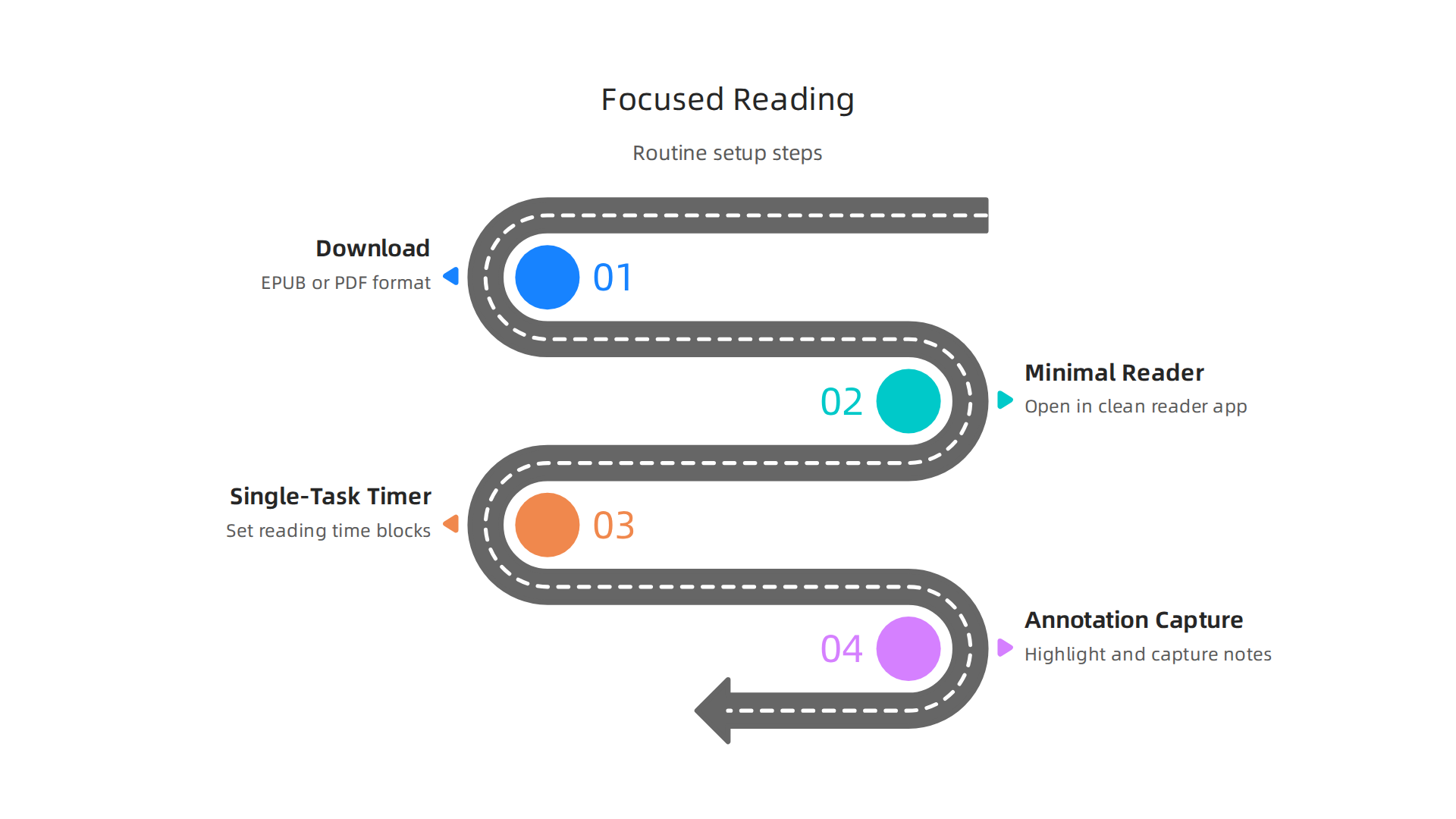
- Download: Find your book on free book websites and download it in an EPUB or PDF format.
- Minimal Reader: Open the downloaded file in a clean, simple reader app.
- Single-Task Timer: Use a timer to set aside specific blocks of time just for reading. This helps train your brain to focus for longer.
- Annotation Capture: As you read, highlight important parts or write down your thoughts right in the app. This makes your reading active and helps you remember what you’ve learned. You can explore more about how to select the right tools for your digital reading journey to improve your focus in this article about how to Choose the Best E-Book Reader for Focused Learning and Deeper Concentration.
When you use different tools, you might want your notes and reading progress to show up on all your devices. Many reading apps offer cross-device sync, meaning you can start reading on your tablet and pick up right where you left off on your phone or computer. Just be mindful of privacy. Always choose apps and services from trusted companies that explain how they keep your information safe.
These apps help you take control of your reading environment. They allow you to turn reading time into a dedicated study space, helping those books are magic really work their power without unwanted interruptions.
Reading Routines and Study Strategies to Strengthen Focus and Retention
Making "books are magic" truly work means more than just having the right tools. It also needs smart reading habits and study plans.

You want to make sure the time you spend on free book websites really sticks in your mind. Let’s look at simple ways to do this.
Simple Steps for Focused Reading
To get the most out of your reading, try these ideas:
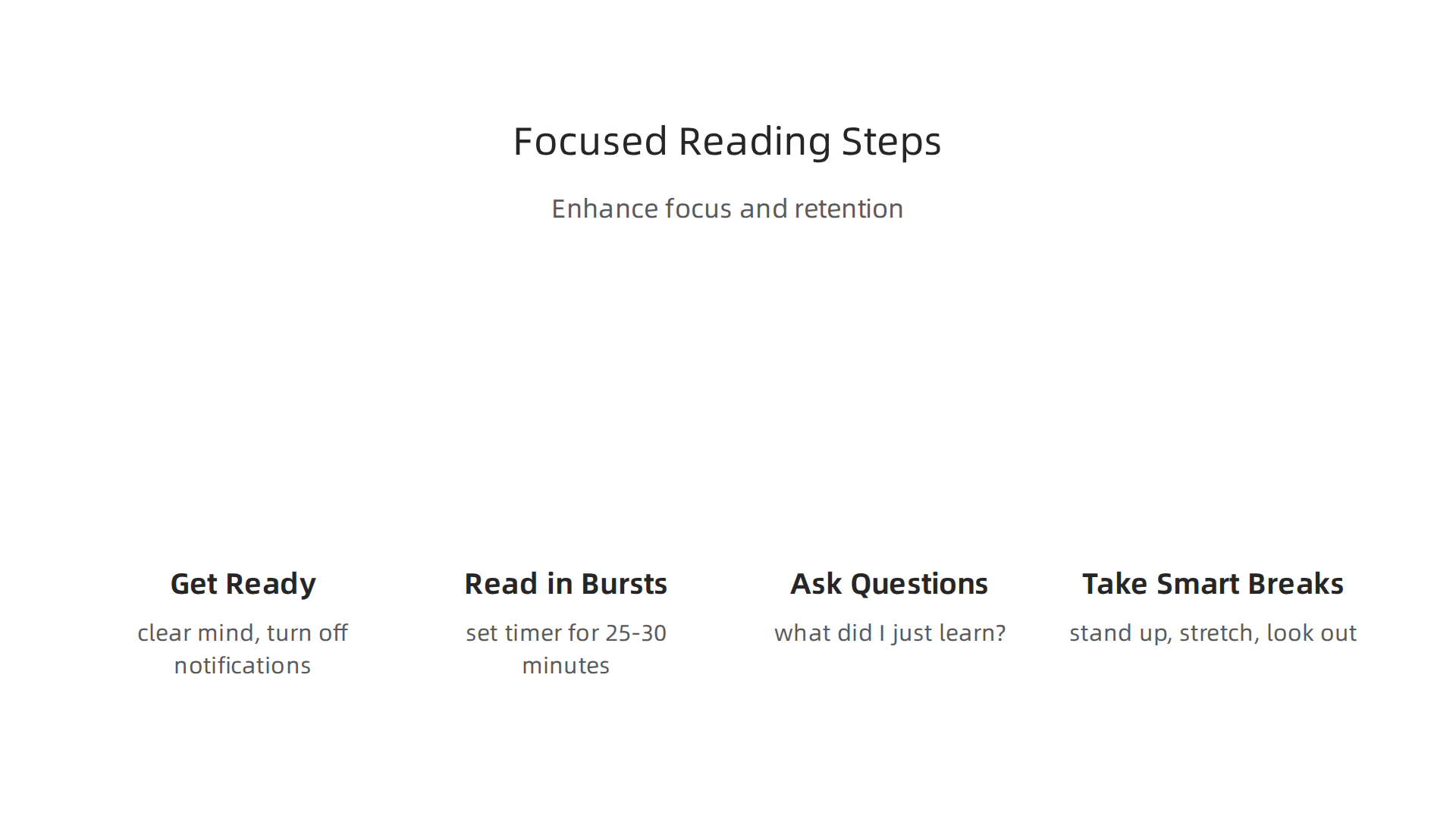
- Get Ready to Read: Before you start, take a minute to clear your mind. Close other tabs, turn off notifications, and make sure you have everything you need. This helps your brain know it’s time to focus.
- Read in Short Bursts: Instead of trying to read for hours, set a timer for 25-30 minutes of deep, focused reading. When the timer goes off, take a short break (5 minutes). This keeps your brain fresh and helps you stay on track.
- Ask Yourself Questions: While you read, stop every so often and ask yourself, "What did I just learn?" or "What’s the main idea here?" This is called active recall. It’s a powerful way to make your brain work harder to remember information, much better than just re-reading. Research shows that using active recall helps you remember things for much longer The Evidence for Active Recall and Spaced Repetition. You can learn more about this effective method to improve memory and learning in this video on Using Spaced Repetition & Active Recall.
- Take Smart Breaks: Don’t just scroll on your phone during breaks. Stand up, stretch, or look out a window. Giving your eyes and mind a true rest helps you come back to your book feeling refreshed.
How to Remember What You Read for a Long Time
Using free book websites isn’t just about reading; it’s about learning. To keep information in your head for a long time, try these two powerful study ideas:
- Spaced Repetition: This means reviewing what you’ve read at different times. Don’t review it all right away. Instead, go over it after a day, then after a few days, then after a week. This "spacing effect" helps your brain store information more deeply, making it harder to forget Memory Strategies for Academic Success: Active Recall & Spaced …. Many people combine this with active recall for the best results Best Study Techniques to Improve Learning and Memory.
- Note-Taking: When you read, don’t just highlight. Write down key points in your own words. You can use a notebook or a digital note-taking tool. This helps you think about the information and connect it to what you already know. If you’re looking for apps that can help you with this, consider using free flashcard apps to create your own questions and answers for active recall and spaced repetition.
Keeping Your Mind Fresh and Ready
Reading and learning take energy. It’s important to prevent your mind from getting tired.
- Pace Yourself: Don’t try to read too much too fast. It’s better to read a little bit consistently than to cram a lot in once and get burned out.
- Get Enough Sleep: Your brain works hard to sort and store information when you sleep. Good rest is key for good focus and memory.
- Change It Up: If you’re reading a long book, switch between different topics or types of reading sometimes. This can keep your interest up and prevent mental fatigue.
By using these routines and strategies, you can turn your time on free book websites into truly productive learning experiences. Your ability to focus and remember will grow stronger over time.
Concentration improves when attention has authority. Reclaim Your Focus
Using free book websites for professional learning and deep work
Beyond personal growth, the careful use of free book websites can also power your work and career.
Imagine turning your reading time into a way to learn new skills, do better research, or spark new ideas for creative projects. It’s like having a free library for your professional mind.
Build Smart Reading Lists for Work
To make your learning count, you need to be smart about what you read. Don’t just pick any book. Think about what skills you want to build or what problems you need to solve at work.
- Find Your Focus: Look for books on free book websites that teach you about your job, new tools, or different ways to think. For example, if you want to learn about project management, search for free books on that topic.
- Explore Many Sources: Many websites offer free professional books. Some might be older classics, while others could be new reports or guides. You can find places to read books online without distractions, helping you stay focused on your goals.
- Plan Your Projects: If you have a big work project, make a reading list that supports it. This could include books for research, skill development, or even finding inspiration. This way, your reading directly helps your work.
Make Reading Part of Your Workday
For truly deep learning, you need to set aside time for reading. Treat it like any other important work task.
- Schedule Deep Work: Set aside special times in your week just for focused reading. These are your "deep work" blocks. During this time, turn off all alerts, close extra apps, and dive into your chosen book. The goal is to avoid interruptions and truly absorb what you’re reading.
- Manage What You Learn: As you read, think about how you will keep track of new ideas. You might use a simple notebook or a digital tool to store your notes and important thoughts. This helps you build your own knowledge system for later use. You can also organize your digital tools to help improve focus. Learning how to organize your app library for better focus can make a big difference.
- Use the Right Tools: If you like reading on your computer, the kindle desktop app can be a good way to read your downloaded books. It helps keep all your professional reading in one place.
Check if What You Read is Trustworthy
When you’re reading for work, it’s super important that the information is correct and useful. Not everything online is good information.
- Look at Reviews and Book Ratings: Before you spend time reading, check what others say about the book. Do people say it’s helpful and correct? This can save you time.
- Check the Author: Who wrote the book? Are they an expert in the field? Knowing this helps you trust the information.
- Look for Facts, Not Just Talk: Good professional books give you real facts, examples, or steps you can use. They don’t just share opinions. This way, your reading gives you real insights you can use, not just "noise." When you apply smart study techniques, like those that improve memory and learning, you can get even more from your professional reading Study Techniques: Active Recall, Spaced Repetition & More.
Using free book websites wisely can turn your reading habit into a powerful tool for your professional life. It truly shows that for learning and growth, books are magic.
It’s great to think about all the amazing things you can learn from free book websites. But just like with anything free, it’s super important to make sure what you’re getting is safe, legal, and good quality. You don’t want to waste your time or get into trouble with bad information.
What is "Public Domain" and Why Does It Matter?
When a book is in the "public domain," it means its copyright has ended. This makes the book truly free for everyone to use, share, and even change without asking for special permission. Think of it like a community resource for everyone.
For example, many books from 1930 and earlier are now in the public domain as of 2026. This means you can find lots of older classics legally and for free. To be sure you’re reading a public domain book, it’s smart to check the exact edition you’re looking at and get it from a trusted source. You can learn more about how to safely use public domain books and confirm their status by looking at resources like Books Entering Public Domain 2026: Key Titles and Cultural Works.
If a book is not in the public domain, it means someone still owns the rights to it. Sharing or downloading these books for free without permission is against the law. Always look for clear signs that a book is free and legal. Many good places offer "open access" books, which are high-quality scholarly works made freely available by publishers and libraries, as explained by A commitment to advancing open access ebooks – About JSTOR.
Checking if a Free Book is Good Quality
Finding a free book is one thing, but finding a good free book is another. Some copies you find on free book websites might not be the best.
- Look at the Source: Where did you get the book from? Is it a well-known library, a university, or a reputable archive? These places usually have good quality versions. If it’s a random website, be more careful.
- Check the Publisher: Even if a book is free, who published it originally? Knowing the original publisher can tell you a lot about its quality.
- Read the Book Ratings and Reviews: Just like buying something online, reviews can tell you if other readers found the book helpful, easy to read, and free of mistakes. Sometimes, a free copy might have scanning errors, missing pages, or be hard to read due to poor conversion.
- Preview the Book: Before you fully download or commit to reading, quickly skim through it. Does it look well-formatted? Are there strange characters or missing words? Does the table of contents match up? This quick check can save you a lot of frustration later.
- Think About the Metadata: This is the information about the book, like the author’s name, the year it was published, and a short summary. Make sure this information is correct. If it looks off, the book itself might not be reliable.
Being smart about where and how you get your free books makes sure your reading time is well spent. For even more good places to read, explore options for where to read books online for free without distractions. With a little care, books are magic for learning, and you can enjoy them safely and wisely.
Summary
This article explains how free book websites can help you build sustained attention and deep reading habits by giving you easy access to long-form content. It covers where to find trustworthy public-domain and open-access libraries, how content format (EPUB, PDF, audiobooks) affects concentration, and why reading in a distraction-free app or offline reader works better than browsing. The guide shows practical checks for quality and legality, how to avoid attention traps on sites built to keep you clicking, and which tools—reader apps, browser reader modes, timers, and note-syncing—make reading more productive. You’ll also find simple routines (short timed sessions, active recall, spaced repetition) to strengthen retention and ways to turn free books into focused professional learning. Following the advice here helps you choose the right platform, format, and workflow so reading actually improves your focus and yields lasting learning.