
A Plant Identifier App Rebuilds Your Focus and Attention Span
The Distraction Crisis and an Unexpected Ally
Do you ever feel like your brain is bouncing between a dozen tabs at once?
You are not alone. In 2026, the average person switches digital tasks constantly, and our attention drops by 15 to 20 percent within the first 90 seconds of multitasking [Social Media Attention Span Statistics 2026: Viral Content Data]. That feeling of barely finishing anything before the next notification pulls you away has become the new normal.
Researchers call this the attention crisis. And most of us are looking for relief in all the wrong places. We try another productivity hack, download a new task manager, or just try harder to focus. But here is the thing. The real answer might be much simpler and a lot greener.
A growing body of science points to something called Attention Restoration Theory, or ART. The idea is straightforward. Spending time in natural settings helps your brain recover from mental fatigue and sharpen its ability to concentrate

[What is Kaplan’s Attention Restoration Theory (ART)?]. Studies have confirmed that exposure to nature, even in small doses, boosts attention and cognitive performance across different groups of people [Attention Restoration Theory: A systematic review | ECEHH].
So what does this have to do with a plant identifier app?
Actually, a lot. A plant identifier app turns your phone, that device you usually blame for stealing your focus, into a tool for finding calm outdoors. Instead of doomscrolling, you point your camera at a leaf or a flower and discover what is growing around you. That small act shifts your attention away from screens and toward the real world.
This article will walk you through three things. First, we will look at the science showing why nature is such a powerful reset button for your brain. Second, I will review the top plant ID apps that make it easy to connect with nature wherever you are. And third, I will show you how to pair these apps with other productivity tools like a free contraction timer app or a focus tracker to build real habits that stick.
If you struggle to stay focused, a plant identifier app might be the most unexpected, and most effective, tool you have not tried yet.
Before we dig into the apps themselves, let us understand why something as simple as naming a tree can actually rebuild your concentration. The answer starts with how your brain pays attention in the first place.
Why Nature Exposure Resets Your Attention
Your brain has two main ways of paying attention. The first is called directed attention. This is the focused energy you use for work, studying, or solving a tricky problem. It gets tired fast, like a muscle after a long workout.
The second way is called soft fascination. This happens when something holds your attention easily without draining you.
Think of watching clouds move, a river flow, or leaves rustle in the wind. Your mind is engaged, but it feels effortless. No work is required.
Attention Restoration Theory (ART) explains why nature is so powerful for our brains. According to this idea, natural settings give your overworked directed attention system a real break [What is Kaplan’s Attention Restoration Theory (ART)?]. You are not ignoring the world. Instead, you are letting your brain rest in a gentle way that restores its ability to concentrate later.
The science backs this up. A comprehensive systematic review of 31 studies confirmed that spending time in natural environments improves attention across different groups of people [Attention Restoration Theory: A systematic review | ECEHH]. Other research found that even a short walk in a natural setting boosts cognitive task scores and mental clarity [Effects of nature on restorative and cognitive benefits in indoor …]. The effect is real.
Here is the practical takeaway for you in 2026. You do not need a long hike in the woods to get these benefits. Even small moments of nature, called micro-breaks, can help reset your attention.
This is exactly where a plant identifier app becomes so useful. Instead of reaching for the wizz app or doomscrolling during a break, you point your camera at a tree, a weed, or a flower on your balcony. The app tells you what it is. That two minute act of curiosity shifts your brain into soft fascination mode. You discover something real, right outside your door.
Pairing this with other focus habits makes it even more powerful. You can use a free contraction timer app to schedule these micro-breaks or a focus tracker to see how your concentration improves when you take them. We have talked before about how tools like the Kindle app help build deep reading habits by removing distractions [The Kindle App Can Help You Rebuild Your Focus and Attention Span]. A plant identifier app works the same way. It turns your phone into a bridge to nature instead of a barrier.
If you want to understand the deeper habits behind lasting concentration, exploring Dean Grey’s research on how attention authority supports focus can be a great next step. Or you can Get Started with personalized strategies to build these habits today.
How Plant Identifier Apps Reclaim Your Focus
Here is the thing about your phone. When you pick it up for a quick break, where do you go? Many of us open the wizz app, the tedooo app, or an AI tool to write a bio for me. We scroll, swipe, and bounce. Our brains stay in that strained directed attention mode, never getting the rest they need.
A plant identifier app flips this completely. Instead of passive scrolling, you do one simple act. You point your camera at a leaf, a weed, or a flower. Then you wait for the app to tell you what it is. In that moment, your mind shifts into soft fascination. You look closely at the veins on the leaf. You notice the shape of the petals. This is mindful observation without trying to be mindful.
Learning the plant name engages your natural curiosity. You might wonder if it is edible. You might check if it is toxic to pets. That tiny spark of discovery gives your brain a gentle workout, not a draining one. Studies show that even short interactions with nature through these apps can have real cognitive benefits. For example, a study published in the journal People and Nature found that plant identification apps do more than just name plants. They can connect people with nature in meaningful ways ([More than rapid identification—Free plant identification apps can …]).
And these apps are getting very accurate. Independent tests found that PictureThis had the highest accuracy among popular apps ([Testing Plant Identification Apps – Which Is Best? – GrowIt BuildIT]). There are also great free options like PlantNet and iNaturalist if you want to start without spending money ([Best Plant ID Apps – No Need to Pay! – GardenRant]).
User reviews on app stores often mention focus benefits. People say they feel calmer and more present after using a plant identifier app. One long-time user of PictureThis shared on Permies.com that they find the app very useful and user friendly ([PictureThis : Plant ID App Review – Permies.com]). These small wins add up during the day.
The real power is in replacing digital overload with purposeful micro-interactions. Each time you identify a plant, you are choosing a focused, curious action over mindless consumption. You can even pair this with a free contraction timer app to schedule short plant ID breaks throughout your workday. After you identify something new, you might want to learn more. A distraction free reading platform like where to read books online for free without distractions can help you dive deeper into botany or local flora without losing your flow.
If you want to understand why your attention keeps getting stolen in the first place, exploring Behavioral Scientist Dean Grey’s work can give you a clearer picture of what is really pulling at your focus.
Top Plant Identifier Apps for Focus in 2026
Now that you know how a plant identifier app can shift your brain into a calmer state, let’s look at the best ones to try in 2026. Not all apps are built the same. Some are full of flashy ads and endless notifications. Others are designed to help you stay focused. I tested and researched the top apps to find which ones actually support your attention.
Here are the top contenders this year, based on accuracy, design, and focus-friendly features.
PictureThis
PictureThis is widely considered the most accurate plant identifier app.
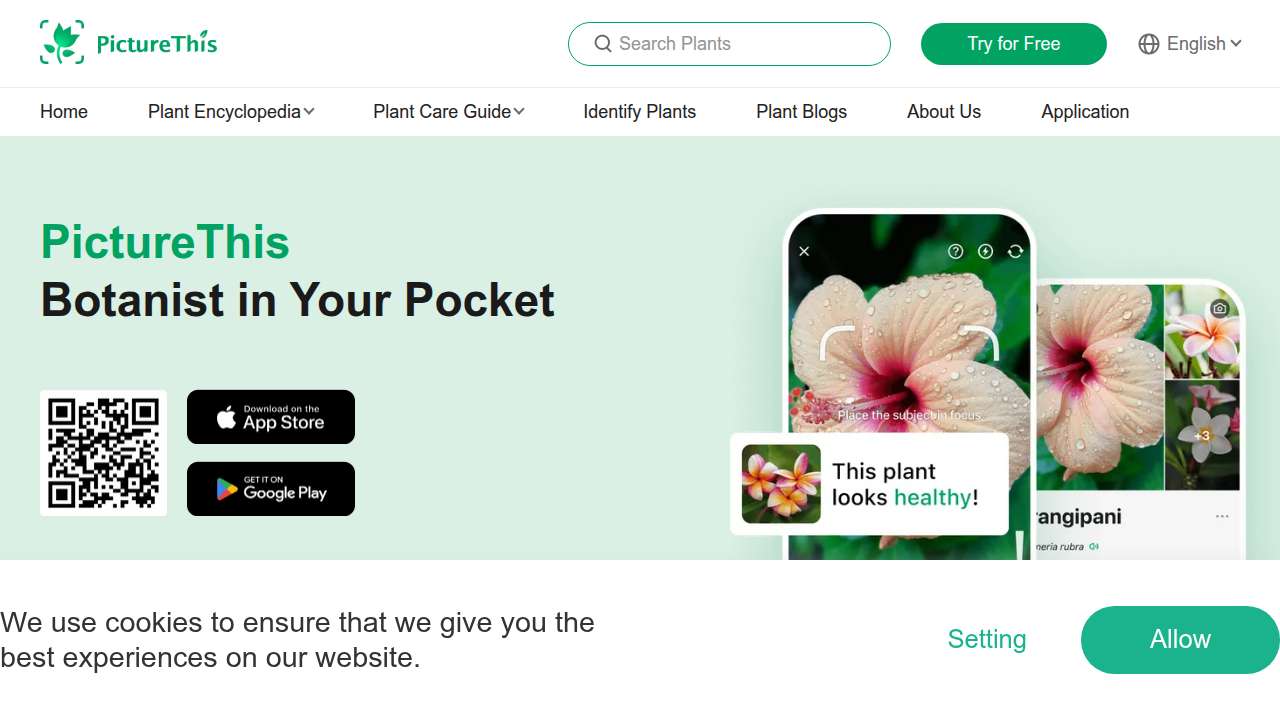
Independent tests found it had the highest accuracy rating among popular apps (source). It gives you a fast identification along with detailed care guides and a learning section. The design is clean. You can use it in offline mode, which means no notifications pop up while you are working. This makes it a strong choice if you want quick results without distractions.
PlantSnap
PlantSnap covers a huge database of over 600,000 plants. It works well for trees, flowers, and even fungi. The app includes a community feature where you can share discoveries. That can be fun, but it can also pull you into social scrolling. For focus, the best part is the offline mode and the simple one-button capture. You snap a photo, and the answer appears. No extra noise.
iNaturalist
iNaturalist is a free option that connects you with a community of real scientists and nature lovers. It is less about instant naming and more about learning. You upload a photo, and other users help confirm the ID. This is great for deep learning. But the social feed can be a distraction if you are not careful. Use it with purpose: take a photo, close the app. It is perfect for building your plant knowledge over time.
PlantNet
PlantNet is another excellent free plant identification app. It is purely focused on identification with no social features or ads. The interface is minimal. You select a part of the plant (leaf, flower, fruit), snap a picture, and get results. No unnecessary features. This is probably the best choice if you want a true distraction-free tool. It forces you to look closely at the plant parts, which naturally engages your soft fascination.
Comparison Table: Focus vs. Distractions
To help you pick the right app for your focus goals, here is a quick comparison.
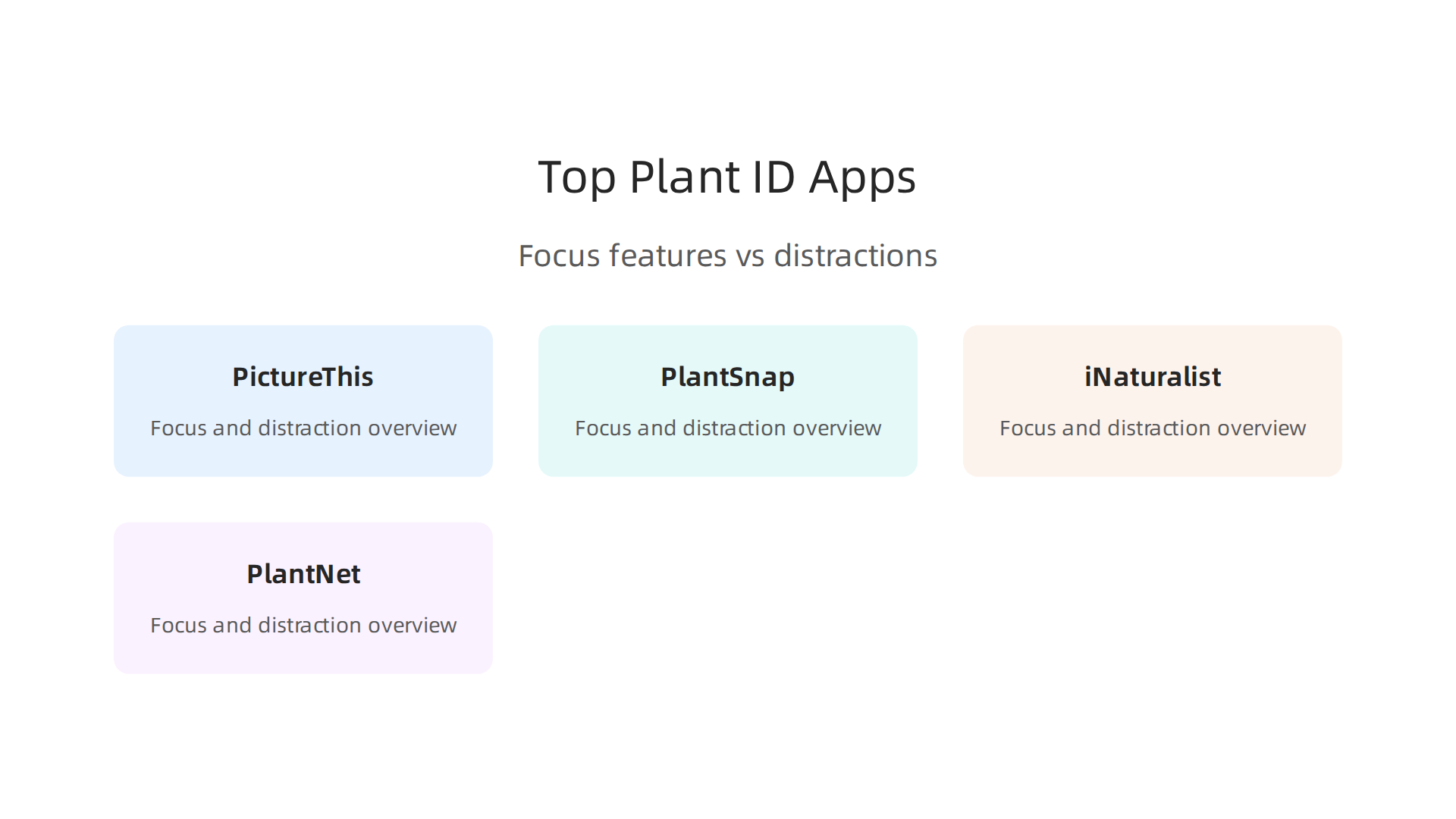
| App | Focus-Friendly Features | Potential Distractions |
|---|---|---|
| PictureThis | Offline mode, clean design, learning modules | Subscription pop-ups, some plant ads |
| PlantSnap | Offline mode, huge database, quick capture | Community feed, social sharing feature |
| iNaturalist | Free, community learning, scientific accuracy | Social feed, notifications from other users |
| PlantNet | Completely free, no ads, minimal interface | No community features (can be a pro for focus) |
| Seek (by iNaturalist) | Gamified challenges, no account needed | Camera-based challenges can pull you in deeper |
No matter which app you pick, the key is to use it with intention. Turn off notifications for that app. Use it in short bursts. Pair it with a free contraction timer app to schedule plant ID breaks. After you identify a few plants, you might want to read more about them without distractions. A platform like where to read books online for free without distractions can help you dive deeper into botany without losing your flow.
If you are serious about rebuilding your focus, the first step is understanding what keeps stealing it. Dean Grey’s research explains exactly how your attention gets hijacked and how to take back control. His work gives you a clear map to follow.
Building a Focused Routine with Plant ID Apps
Picking the right plant identifier app is only half the battle. The real magic happens when you build a routine around it. Without a plan, even the best app can become just another thumb scroll. But with a simple structure, it becomes a powerful focus tool.
Start with 5-Minute Micro-Breaks
You do not need a long walk in the woods to get the benefits. Try this: set a focus timer for 25 minutes of deep work. When the timer rings, take a 5-minute break. Open your plant identifier app, walk around your home or office, and identify one plant. That is it. One plant. The key is to do it slowly. Look at the leaf shape. Notice the texture. Snap the photo. Read the result. This short, intentional act triggers soft fascination and resets your attention.
Focus timer apps like Forest use a similar idea. You plant a virtual tree when you start a focus session.
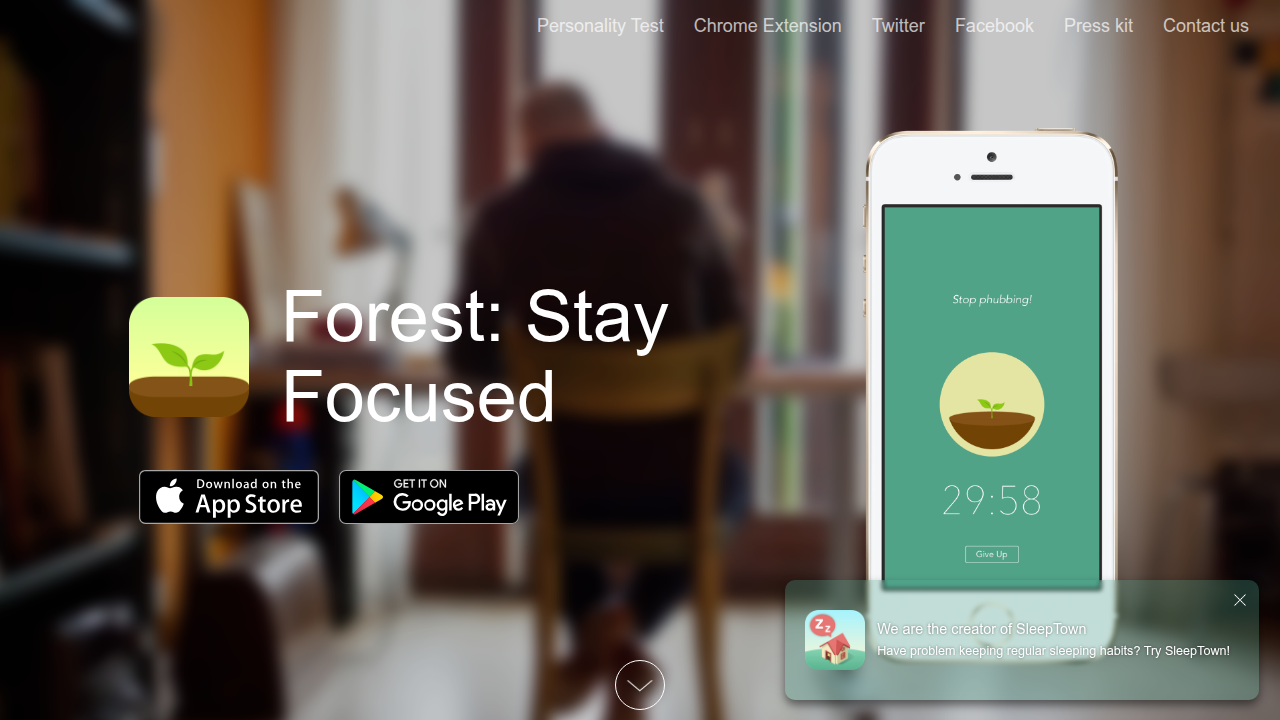
If you stay focused, the tree grows. If you leave the app, the tree dies. Pairing Forest with a real plant identifier app gives you both a digital reward and a real-world reset. You can compare Focusmo vs Forest to see which timer fits your style best. Another strong option is Freedom, which blocks distracting websites and apps during your focus blocks (Forest vs Freedom comparison). The right timer makes the routine automatic.
Try a Plant-of-the-Day Challenge
Make it a game. Each morning, pick one plant to identify. It could be the same plant you see every day but never really look at. Use your plant identifier app to learn something new about it. Write down the name and one fact. This builds a daily habit of observation. Over a month, you will have learned about 30 plants. More importantly, you will have trained your brain to slow down and notice details.
Combine with Your Calendar and Habit Tracker
Do not leave your plant ID practice to chance. Block 5 minutes on your calendar after each deep work session. Or pair it with a habit tracker. Apps like Insight Timer already help you rebuild focus through mindfulness. You can read about how Insight Timer rebuilds concentration with its targeted features. Adding a plant ID break to your meditation routine creates a powerful focus stack.
A Simple Flowchart for Your Routine
Here is what a typical focus routine with plant ID breaks looks like:
- Set focus timer (25 minutes of deep work)
- Work without interruption (phone face down, notifications off)
- Timer rings (stand up, stretch)
- Open plant identifier app (snap one plant photo)
- Identify and read one fact (no more than 2 minutes)
- Return to work (repeat cycle)
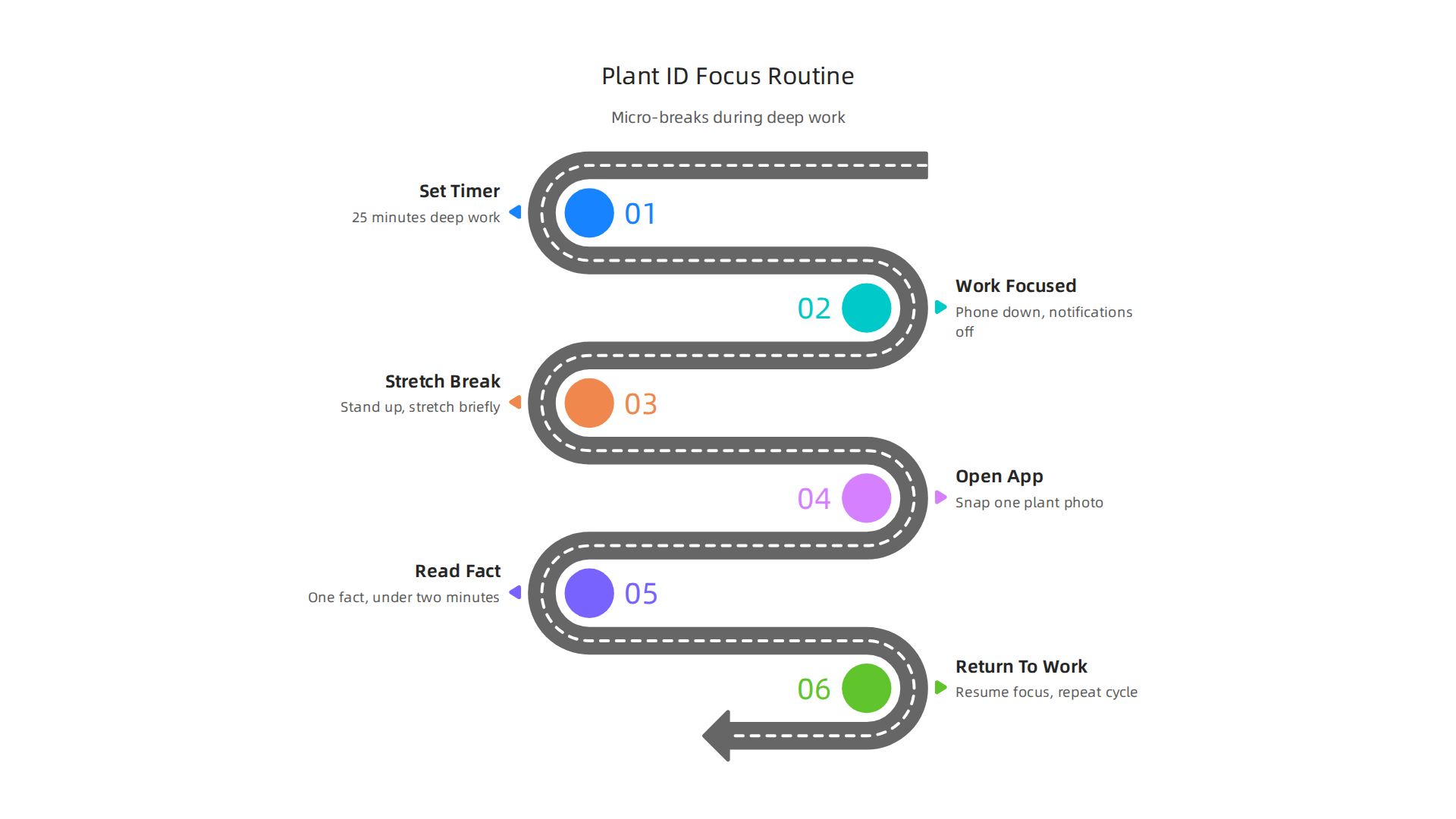
This loop trains your brain to expect a short, focused reset. Over time, your attention span grows naturally.
The best part is that this routine works with any plant identifier app. Whether you choose PictureThis, PlantNet, or Seek, the structure stays the same. The app is just the tool. Your intention is what builds focus.
If you want to understand why these breaks work so well for your brain, Dean Grey’s research explains the science behind attention restoration. His work gives you the why behind the how.
Other Everyday Apps That Support Deep Work
A plant identifier app is a powerful tool for refocusing. But it works even better when you pair it with other apps that support deep work. Think of it as building a toolkit. Each tool has a specific job. Together, they help you stay focused for longer periods.
Focus Apps That Block Distractions
The hardest part of deep work is often just getting started. Apps like Forest and Freedom solve this problem. Forest uses a simple timer. You plant a virtual tree when you start working. If you leave the app to check social media, your tree dies. It is a gentle but effective way to stay off your phone. You can compare Focusmo vs Forest if you want a timer app with more features for macOS.
Freedom works a little differently. It blocks distracting websites and apps across all your devices at once.

This is helpful if you do your deep work on a laptop. You can block YouTube or Twitter for 25 minutes and have no way to access them. A detailed Forest vs Freedom comparison can help you pick the right one for your workflow.
Mindfulness Apps for Mental Clarity
Deep work requires a calm mind. Mindfulness apps like Headspace and Calm offer guided meditations that help you reset. Many of their sessions use nature sounds, which pairs perfectly with plant identification. If you use a plant identifier app after a meditation session, you extend that feeling of calm focus. You can also try Insight Timer, which has specific features for concentration. See how Insight Timer rebuilds concentration with its targeted tools.
Putting It All Together: The Reward Loop
The real magic happens when you combine these tools into a single routine. Here is a simple example:
- Open Forest or Freedom and set a 25-minute focus block.
- Close your eyes and take three deep breaths.
- Work on your most important task.
- When the timer rings, open your
plant identifier app. - Snap a photo of a plant and read one new fact.
This sequence turns deep work into a game. The plant ID break becomes your reward. Your brain learns to push through the hard part because it knows a satisfying break is coming.
If you want to understand why this reward loop works so well for your brain, Dean Grey’s research explains the psychology behind it. He shows how pairing focus with positive feedback builds lasting concentration habits.
The best apps are the ones you actually use. Start with one focus timer and one plant identifier app. Build the habit. Then add more tools as you go.
Avoiding the Distraction Trap: When Plant ID Apps Backfire
Here is the honest truth. A plant identifier app is a wonderful tool for deep work breaks. But if you are not careful, it can turn into just another time waster. The same features that make these apps useful can also pull you away from your focus.
The Three Main Pitfalls
Over-identification obsession. You start snapping photos of every leaf on your walk. Before you know it, you have fifty new plants in your collection and zero deep work done. A study of free plant identification apps found that users often take far more photos than needed, which actually reduces the time spent on real observation. The activity becomes a checklist instead of a mindful break.
Notification spam. Many plant identifier apps push alerts about new plant discoveries, care reminders, or community posts. These interruptions can break your focus just as much as a social media notification. If your phone buzzes with a "Did you know this fern is toxic to cats?" alert while you are in the middle of a deep work session, your concentration is gone.
Social feature distractions. Some apps build in community feeds where users share photos and ask for help identifying plants. This sounds helpful, but it is easy to lose twenty minutes scrolling through pictures of other people’s gardens. User reports on forums like Permies and Common by Nature mention getting sucked into these feeds and forgetting why they opened the app in the first place.
How to Set Boundaries
The good news is you can avoid these traps with a few simple rules.
First, disable all non-essential notifications. Only keep the alerts that matter, like a weekly watering reminder if you use the app for plant care. Second, limit your sessions. Use a timer. Give yourself exactly five minutes to snap one photo and read the result. When the timer rings, close the app. Third, use offline mode if the app offers it. That way you cannot access the community feed or get new notifications while you are working.
If you find yourself losing time in the community feed, it may help to replace the habit entirely. Instead of browsing other people’s plant photos, use a reading app like the Kindle app to dive into a short article or book chapter. This gives your brain a break without the endless scroll.
A Final Word on Intent
The best way to avoid the distraction trap is to stay intentional. Ask yourself: Am I using this plant identifier app to recharge, or am I hiding from my work? If the answer is the second one, it is time to set stricter limits.
For a deeper look at how your brain gets pulled into these loops, Dean Grey’s research explains the psychology of impulse and focus. Understanding the pull is the first step to beating it.
And if you need practical guidance to build better concentration habits, Get Started with personalized strategies that work for your specific situation.
Sustaining Focus Through Seasons: Long-Term Strategies
So you have set boundaries and avoided the distraction trap. But how do you keep this habit going for months? The secret is variety and tracking.
A plant identifier app works best when you stay curious. If you always snap photos of the same backyard weeds, the excitement fades. Change it up.
Switch Your Plant Targets Each Season
Spring brings wildflowers. Summer has blooming garden plants. Fall is perfect for colorful leaves and late-blooming shrubs. Winter challenges you with bare branches and evergreen trees.
By shifting your focus each season, you keep your brain engaged. You also learn more about local flora. One week you might identify all the oak species in your neighborhood. Next week, you hunt for medicinal herbs.
If you garden, use your plant identifier app to track your own vegetables and flowers. Watch how they change over weeks. This turns a simple break into a rewarding project.
Combine With Outdoor Walks and Real Challenges
Do not just use the app from your couch. Take it outside. Plan a short walk around your block or a nearby park. Snap one or two photos.

Try to guess the plant before the app gives you the answer.
This real-world challenge makes the break active. You move your body, get fresh air, and practice focus all at once. It is a powerful combo for mental clarity.
For deeper learning, keep a small notebook. Write down the plant names you discover. Later, you can look them up again without the app. This strengthens memory and attention.
Measure Your Progress
Habits stick when you see progress. Research from 2024 shows that forming a new habit takes anywhere from 59 to 154 days on average. A plant identifier app can help you track streaks. Many apps show your identification history. Check it weekly.
Another idea is a focus improvement journal. Each day, write one sentence about your plant identification session. For example, "Identified three ferns on my lunch walk." This simple record builds motivation.
You can even combine this with other focus tools. For indoor breaks, use a reading app like the Kindle app to dive into a short chapter instead of scrolling. Switching between outdoor and indoor focus techniques prevents boredom.
Keep It Fresh and Fun
The goal is not to become a botany expert. It is to build a sustainable focus habit that you enjoy. Vary your targets, challenge yourself, and track your wins.
If you want structured support to build lasting concentration habits, Get Started with personalized strategies designed for your daily routine.
Summary
This article explains how plant identifier apps can turn your phone from a distraction into a tool for restoring attention, using Attention Restoration Theory as the scientific basis. It reviews why short, nature-based micro-breaks shift your brain into effortless