Master Digital Reading Strategies for Better Focus and Retention

Why Digital Reading Requires New Strategies
In today’s fast-paced world, many of us spend hours each day looking at screens. We read news, emails, and even textbooks on our phones, tablets, and computers. But have you ever noticed that reading on a screen feels different from reading a paper book? It’s true! Digital screens, with all their bright lights, endless links, and constant notifications, change how students scan, understand, and remember what they read.
Think about it. When you’re trying to focus on something like "chapter 13 how populations evolve notes" for a science class, a little pop-up from another app can quickly pull your attention away. Or a shiny hyperlink in the text might make you click and jump to a different page, making it hard to get back to your main reading. This constant jumping around means we often just skim the words instead of truly understanding them.

Experts in education even point out the importance of teaching active reading skills like using graphic organizers and annotating text, especially with digital materials, to help students better grasp main ideas and evidence [2026 ELA Content Guidance Document]. The way we read digitally affects how well we learn and keep information in our heads. It’s a real challenge in 2026 for students and anyone who needs to focus on digital text.
Because of these new challenges, we need new ways to read effectively in the digital world. The old ways of reading might not work as well anymore. We need special routines and tools to help us stay focused and learn better. For instance, using digital annotation tools can help us engage with online texts, just like we would mark up a physical book [Digital Maker Education in Project-Based Learning Through Design]. This article is here to help you. It will share smart, easy-to-use digital reading routines that have been tested in classrooms. These tips are based on real research and will help you improve your focus and remember what you read for a long time. You’ll learn how to take control of your digital reading experience and make it work for you. To get started, you might want to learn how to setup your Kindle reader for distraction-free deep focus.
One person who has explored these ideas deeply is Dean, a Behavioral Scientist, Tech Entrepreneur & AI Innovator. Co-Inventor, U.S. Patent No. 12,205,176. Senior Lecturer, UC Irvine | Bestselling Author. Founder, Skylab USA. He often talks about how important it is to be mindful of our digital habits.
Ready to take charge of your reading and learning?
Reclaim Your Focus

When we read on screens, our brains actually work a little differently than when we read from paper. Think of it this way: a paper book is like a calm, quiet road with clear signs that guide you straight through the story or lesson. A digital screen, on the other hand, is more like a busy city street. There are many things trying to catch your eye, like flashing ads, pop-up messages, and bright links that invite you to click somewhere else.
This busy digital environment changes how our minds handle what we read. Instead of taking the smooth, straight road of a paper book, our brains often start to jump around. We tend to scan quickly, looking for keywords or phrases. We might skim through paragraphs, reading only parts of sentences to get the main idea, rather than slowing down to understand everything deeply. This habit of scanning and skimming means we often don’t truly understand or remember the information as well as we would from print. Research shows that our comprehension, or how well we grasp what we read, can be different when we read on screens compared to paper [Print vs Digital Reading Comprehension in EFL].
Imagine you’re trying to read your "chapter 13 how populations evolve notes" for science class. If you’re on a computer, you might quickly scroll through to find key terms, but your mind might also wander to other tabs or notifications. This constant back-and-forth, or distraction switching, breaks your focus into tiny pieces. Each time you click a link or switch apps, your brain has to work harder to get back to the main topic. This makes it tough to build a full picture of what you’re learning.
So, while you might feel like you’re reading faster when you skim, you might actually be learning less. This is a big reason why many students find it harder to remember details or complex ideas from digital texts. Even if you use a kindle web reader to read books online free, the way you interact with the digital format can change your focus. Finding the right tools, like choosing the best e-book reader for focused learning and deeper concentration, can help reduce some of these distractions and guide your brain back to a more focused way of reading.
Reading on screens can be tricky because of all the things that pop up and try to grab your attention. To truly focus on your learning, like when you’re going through your chapter 13 how populations evolve notes, it’s super helpful to set up your digital space to have fewer distractions.

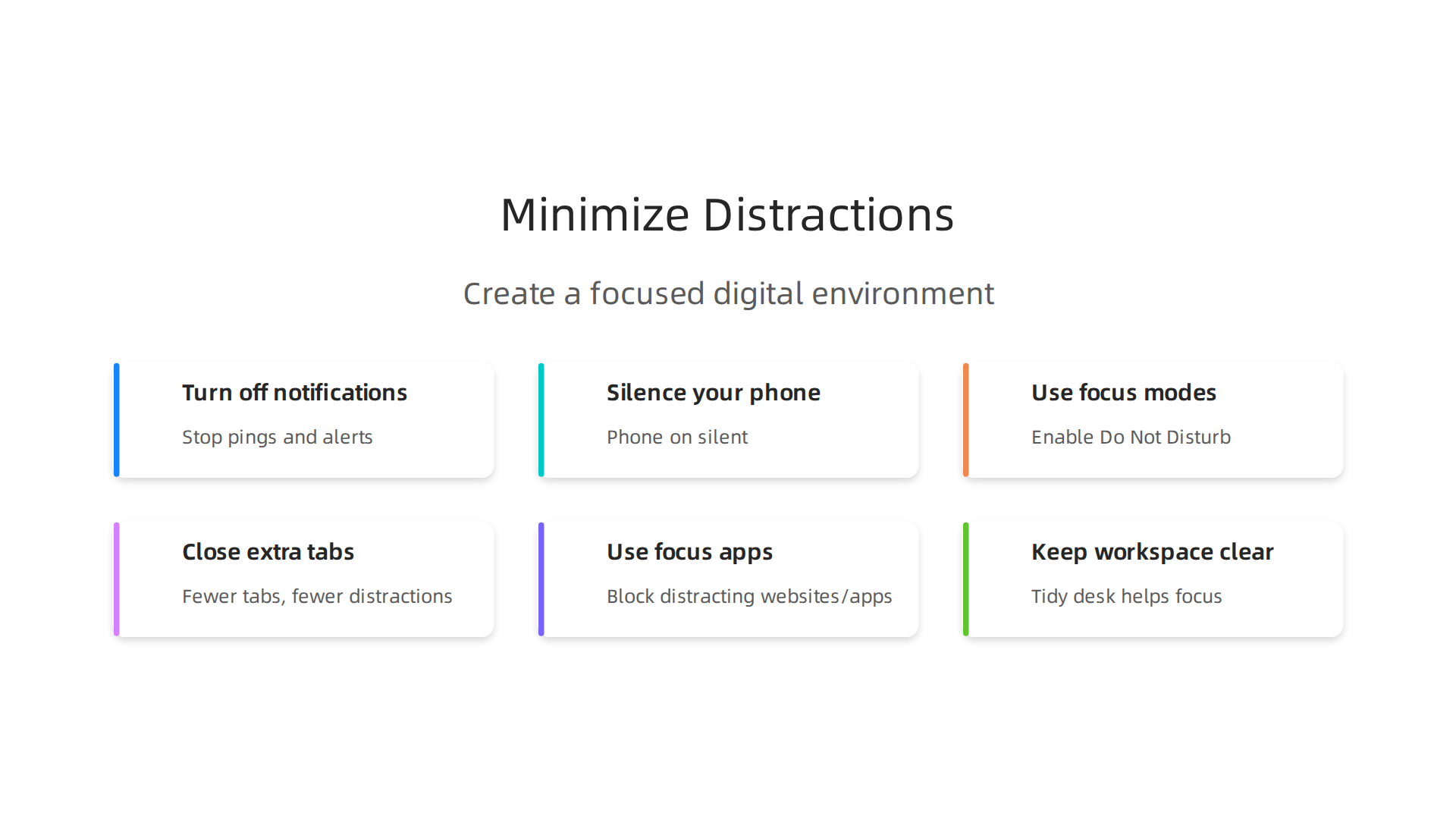
Think of it like making a quiet study corner for your eyes and brain.
Clean Up Your Devices
First things first, let’s look at your phone, tablet, or computer. Before you start reading, take a moment to make some changes:
- Turn off notifications: Those little pings and buzzes are like tiny shouts asking for your attention. Turn off all notifications for apps, emails, and social media. This way, your device won’t tell you about new messages or updates while you’re trying to learn.
- Silence your phone: Put your phone on silent mode or even in another room if you can. Out of sight, out of mind really helps!
- Use focus modes: Many devices have a "Do Not Disturb" or "Focus" mode. Turn these on! They can stop most calls and messages from coming through.
- Set up your reading apps: If you
download kindleapps or use akindle web reader, check their settings. Make sure they are set for reading, not for getting updates or showing ads. You can learn how to make your Kindle experience even better for focused reading by checking out how to setup your kindle reader for distraction free deep focus.
Get Your Workspace and Browser Ready
Next, think about your computer screen and your study area.
- Close extra tabs: When you’re using a web browser to
read books online freeor view notes, it’s easy to have many tabs open. Close all the ones you don’t need for your current task. Fewer tabs mean fewer places for your mind to wander. - Use focus apps: There are special apps that can help by blocking websites or other apps that distract you. This is a smart way to stop yourself from clicking away when you should be studying. Many students in 2026 find these tools helpful for staying on track, and you can find many good options listed in guides like Reclaim Your Focus: The Ultimate Guide to the Best App Blockers in ….
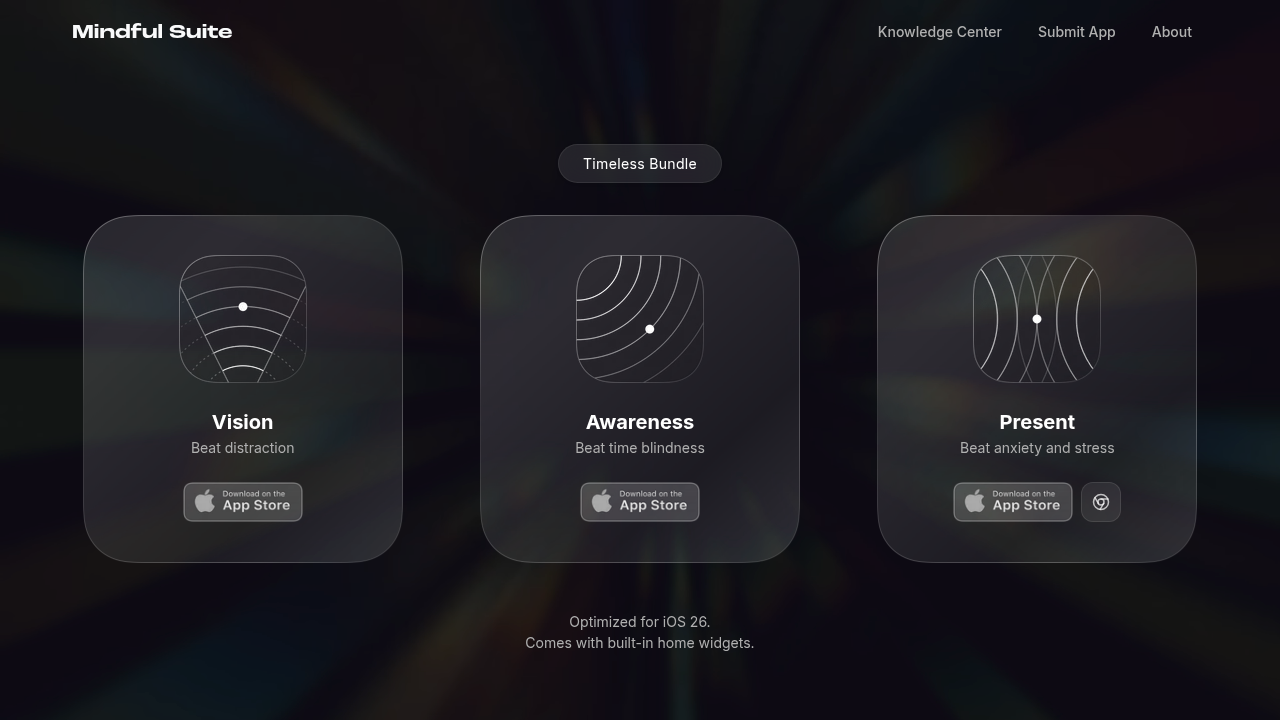
Some focus apps are made to help you stick to your work and not jump between different tasks.
- Keep your actual workspace clear: A messy desk can also distract your mind. Try to keep your study area neat and tidy. This helps your brain feel calm and ready to learn.
By making these simple changes, you create a quieter, more peaceful place for your brain to do its important work. You’re telling your digital tools and your environment to help you focus, not to pull you away. This way, when you’re looking at your chapter 13 how populations evolve notes, your brain can truly soak up the information.
Remember, concentration improves when attention has authority. Take charge of your focus by setting up your digital space for success. If you’re looking for more ways to improve your ability to concentrate, check out Reclaim Your Focus.
Now that you’ve made your digital space calm and quiet, it’s time to learn how to read your e-textbooks in a smart way. Reading on a screen can be different from reading a paper book. You need special tricks to make sure your brain holds onto the information. These tricks are called "active reading." They help you understand and remember things better, especially when you’re going through your chapter 13 how populations evolve notes.
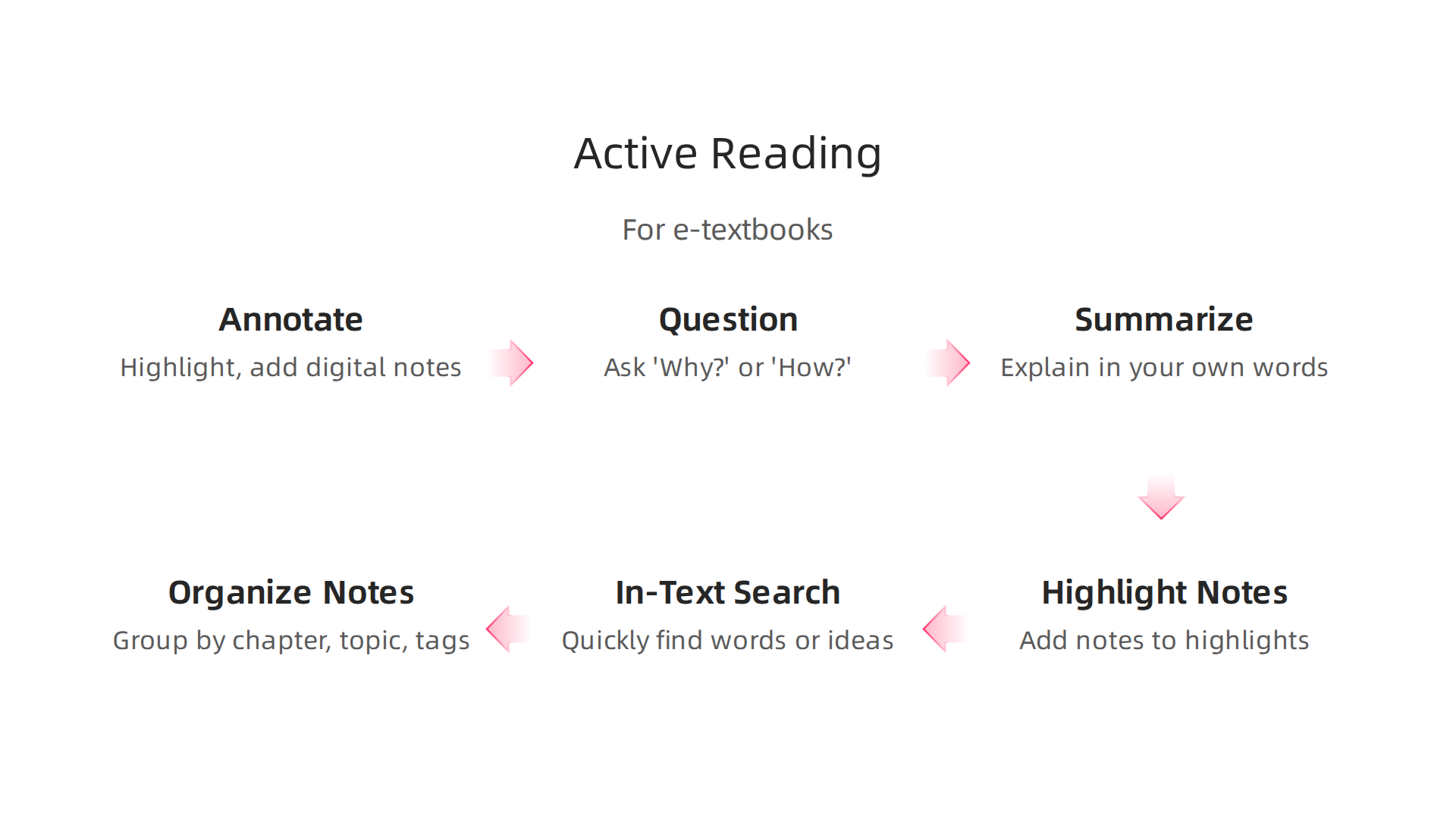
How to Mark Up and Think About Digital Chapters
Active reading means you don’t just let your eyes scan the words. You interact with the text.

Here’s how you can do that with digital books and notes:
-
Annotate (Mark Up): When you read a paper book, you might use a highlighter or write notes in the margins. You can do the same thing with digital books! Many e-readers, like if you
download kindleapps or use akindle web reader, let you highlight important sentences. You can also add little digital notes right next to the text. These notes are like your thoughts or questions about what you’re reading. Using tools for digital note-taking helps you connect with the material more deeply, almost like having a conversation with the book itself. This helps model active reading and understanding 2026 ELA Content Guidance Document. -
Question (Ask Yourself Things): As you read, don’t just accept everything. Stop and ask questions. For example, if you’re reading about how populations change, ask "Why does this happen?" or "How does this connect to what I learned before?" You can write these questions down in your digital notes. Asking questions makes your brain work harder and helps you look for answers as you keep reading.
-
Summarize (Put in Your Own Words): After reading a paragraph or a page, try to explain what you just read in your own words. You can type a short summary in your digital notes. This is a powerful way to check if you truly understood the material. If you can explain it simply, you’ve got it! If you’re still confused, you know you need to reread that part. Digital note-taking allows for many ways to organize these summaries, like mind maps or graphic organizers Integrate Digital Focused Note-Taking Strategies and Tools.
Smart Workflows for Your Digital Study
Here are some ways to put these active reading steps into practice when you read books online free or from your e-textbooks:
- Highlighting and Note-Taking Together: As you read your
chapter 13 how populations evolve notes, highlight key ideas. Then, immediately add a quick note to that highlight. Your note could be a question, a summary, or a connection to something else you know. This makes your highlights much more useful than just pretty colors. If you want to dive deeper into improving your digital reading, check out how to master your mind to improve concentration while reading digitally. - Using In-Text Searches: One cool thing about digital textbooks is that you can search through them super fast. If you forget what a word means or want to find all the places a certain idea is mentioned, just use the search tool. This is great for quickly reviewing your
chapter 13 how populations evolve notesbefore a test. - Organizing Your Digital Notes: Don’t just make notes and forget about them. Use your device’s features to organize them. Most apps let you group notes by chapter or topic. Some even let you tag them with keywords. This helps you find specific information easily later on.
By using these active reading techniques, you turn your digital reading into a much more engaged and effective learning experience. You’re not just looking at words on a screen; you’re truly interacting with them, which helps your brain remember and understand.
After you actively read and mark up your digital books, the next big step is to make sure your notes are super organized. This way, they’re easy to find and use when you need them later, like when you’re studying for a test on chapter 13 how populations evolve notes. Good organization turns your notes into a powerful study tool.
Here are some simple steps to create useful digital study notes:
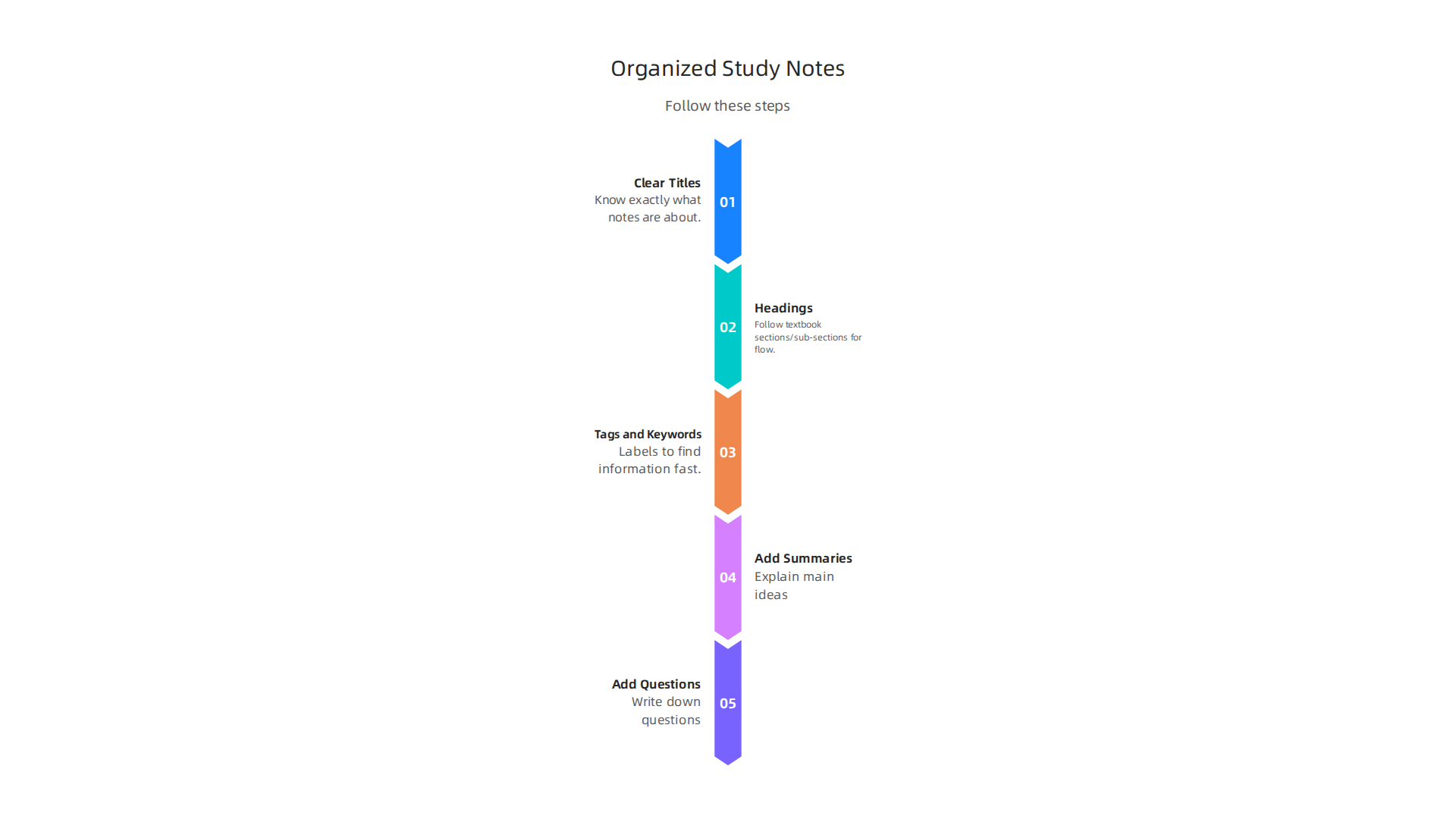
Give Your Notes Clear Titles
Always start with a clear title for your notes. This might seem simple, but it’s very important. If you’re studying chapter 13 how populations evolve notes, then "Chapter 13: How Populations Evolve" should be your main note title. This helps you know exactly what the notes are about at a glance. Think of it like putting a label on a file folder.
Break Down Chapters with Headings
Once you have your main title, break down your notes further. Your textbook chapter will have sections and sub-sections. Copy these as headings in your digital notes. For example, under "Chapter 13: How Populations Evolve," you might have headings like "What is Evolution?" or "Natural Selection Basics." This makes your notes follow the book’s flow and helps you see the different topics easily. Tools found in most digital note-taking apps allow students to organize notes using this kind of structure Note Taking With Technology | Edutopia.
Use Tags and Keywords
Most digital note-taking apps let you add tags or keywords to your notes. These are like little labels that help you find information fast. For chapter 13 how populations evolve notes, you might use tags like "#Evolution", "#Biology", "#NaturalSelection", or "#StudyGuide". If you use a kindle web reader or download kindle apps, you can often add tags to your highlights too. This is super helpful when you want to quickly gather all notes on a specific topic, even if you read books online free from different sources.
Add Summaries and Questions
Remember those active reading steps? Your organized notes are the perfect place to put them. Under each heading, include your short summaries of the main ideas. Also, write down any questions you had while reading. You can even answer those questions in your notes as you learn more. This way, your notes aren’t just a copy of the book; they show your understanding and thinking. Modern digital notes can include not just text but also audio, images, and videos, making your learning even richer The Ultimate Guide to Digital Note-Taking for Modern Students.
Why Organized Notes Matter
Having your notes neatly titled, structured with headings, and tagged means you can find what you need in seconds. When it’s time to review chapter 13 how populations evolve notes before a test, you won’t waste time searching through messy scribbles. Instead, you’ll have a clear, easy-to-follow study guide created by you. Learning how to organize digital notes well is just as important as organizing your apps for better focus. To learn more about keeping your digital space tidy, check out how to organize your app library for better focus. This way, your brain can focus on remembering the information, not on finding it.
After organizing your chapter 13 how populations evolve notes so well, the next step is to make sure you actually remember what you’ve learned. It’s not enough to just write things down; you need to practice remembering them. This is where smart study habits like spaced review and retrieval practice come in handy for e-learners.
Make a Plan to Review Your Notes (Spaced Review)
Spaced review means going over your notes again and again, but not all at once. You spread out your study sessions over time. Think of it like watering a plant a little bit every few days instead of drowning it once a week.
For your chapter 13 how populations evolve notes, you might review them a day after you first take them, then three days later, then a week later, and so on. Many digital calendar apps can help you schedule these reminders. This helps your brain move the information from short-term memory to long-term memory. Actually, studies suggest that reading on screens can affect how well we understand and remember things compared to reading from paper, so smart review habits are extra important for e-learners a network meta-analysis of comprehension across devices.
Test Yourself Often (Retrieval Practice)
Retrieval practice is a fancy way of saying "test yourself." Instead of just re-reading your chapter 13 how populations evolve notes, try to remember the information without looking. This makes your brain work harder to pull out the answer, which helps you remember it better in the future.
Here are simple ways to do this with your digital notes:
- Quiz yourself from headings: Look at a heading in your notes, like "Natural Selection Basics." Then, without looking, try to explain everything you remember about it.
- Use your questions: Remember those questions you wrote in your notes? Now’s the time to answer them. Hide the answers and see how much you know.
- Digital flashcards: Many apps let you turn your notes into digital flashcards. You can put a term on one side and its meaning on the other. This is great for learning new words or facts. These apps can really boost your concentration and help you remember more Free flashcard apps that boost concentration and retention in 2026.
- Write down everything you know: After studying, close your notes and just write down every single thing you can remember about
chapter 13 how populations evolve notes. Don’t worry about being perfect. Then, check your notes to see what you missed.
Whether you’re using a kindle web reader, a download kindle app, or you read books online free from other places, integrating these retrieval practices into your digital workflow is key. It turns your study time into a powerful memory-building session.
After you get good at reviewing your notes and testing yourself, the next step is to find tools that can help you focus even better. The digital world is full of things that can pull your attention away. Luckily, there are many apps and browser tools made to help students like you stay on track while reading.
Tools, extensions, and apps that help students concentrate while reading
Many smart tools are made to help you cut down on distractions. Actually, the market for apps that help reduce distractions is growing very quickly, expected to be worth billions of dollars in 2026 [Distraction Reduction App Market Research Report 2033]. These tools can block websites, turn off notifications, or help you focus on just one task at a time. They’re especially helpful when you’re going through important study materials like your chapter 13 how populations evolve notes.
When you pick a tool, an app, or an extension, you should think about a few important things:
- Privacy: Make sure the app keeps your information safe. You don’t want your study habits or personal data shared without your knowing. Always check what data an app collects and how it uses it.
- Exportability: Can you easily get your notes or highlighted text out of the app if you decide to use a different tool later? It’s important to be able to keep your
chapter 13 how populations evolve notesand other study materials with you, no matter what app you use. - Integration: How well does the tool work with what you already use? If you
read books online freeoften, or use akindle web reader, or evendownload kindlebooks, you’ll want a tool that fits right into your current study routine without causing headaches. You can also learn how to Setup Your Kindle Reader for Distraction Free Deep Focus.
How to know if an app truly helps you focus
It’s easy to get excited about new apps, but it’s important to ask: Does this app really make my concentration better, or does it just add another step to my study process? The best tools help you focus without becoming a distraction themselves. You can also explore how to How To Organize Your App Library For Better Focus.
Keep in mind that what works for one person might not work for another. Some recent studies even suggest that certain "focus apps" might not be helpful for everyone, especially for people whose brains work a bit differently [Focus apps are failing neurodivergent minds, new research finds]. The idea is to find tools that genuinely help you, not ones that make you feel like you’re doing something wrong if they don’t work.
Many of the top apps for students in 2026 offer more than just distraction blocking [Top 20 Best Productivity Apps for Students in 2026 (Free & Paid)]. They might also help with organizing your notes, managing your time, or even using AI to help you learn. When an app uses clever ways to keep you engaged and focused, it’s often drawing on ideas from The Science of Gamification, which studies how games can motivate us.
After you’ve found helpful apps and tools to stay focused, the next step is to set up your study time in smart ways.

It’s not just about blocking distractions; it’s about how you use the time you have without them. We can combine a few proven methods like the Pomodoro Technique, deep work, and retrieval practice to make sure you get the most out of your study sessions.
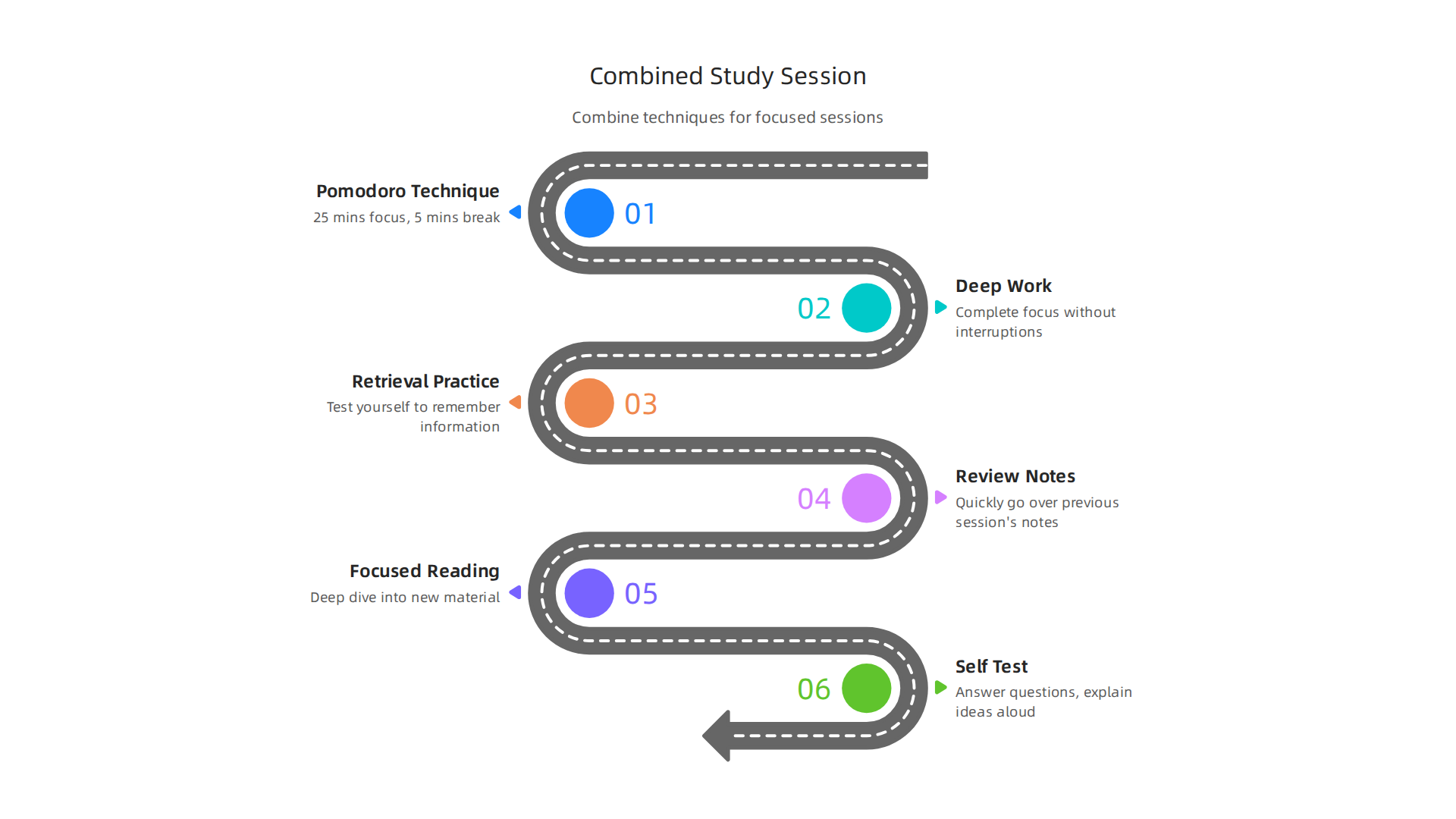
Designing study sessions: combining Pomodoro, deep work, and retrieval practice
Imagine your study time as building blocks. The goal is to make these blocks strong so you learn more and remember it better.
First, there’s the Pomodoro Technique. This is a simple way to manage your time. You focus on one task for 25 minutes, then take a short 5-minute break. After doing this four times, you take a longer break, maybe for 20-30 minutes. This method helps you stay fresh and prevents burnout The Pomodoro Technique — Why it works & how to do it. It’s great for tackling tasks like going through your chapter 13 how populations evolve notes or reading a tricky textbook.
Then we have deep work. This means focusing completely on one important task without any interruptions. It’s when you really dig into your chapter 13 how populations evolve notes or an online article, letting your brain fully process the information. It’s about giving your full attention, which is different from just looking at a screen. You can read books online free or download kindle books for deep work.
Finally, retrieval practice is all about testing yourself. Instead of just re-reading your notes, you try to remember the information from scratch. This helps your brain pull the information out, which makes it stick better. You can use flashcards or just try to explain what you’ve learned out loud. There are even useful Free Flashcard Apps That Boost Concentration And Retention In 2026 to help with this.
Here are some ways to put these together in your study sessions:
-
A 25-minute focus session:
- 5 minutes: Quickly review your notes from the last session.
- 15 minutes: Focused reading or note-taking. Maybe you’re deep into your
chapter 13 how populations evolve notesor using a kindle web reader. - 5 minutes: Close your book or screen and try to remember what you just read. Write down key ideas or talk them out loud. This is retrieval practice.
- 5-minute break: Get up, stretch, or grab a drink.
-
A longer 90-minute deep dive session:
- 50 minutes: Deep work on a new topic, really focusing on understanding.
- 10 minutes: Short break to rest your eyes and mind.
- 20 minutes: Make detailed notes or summarize what you learned in your own words.
- 10 minutes: Self-test. Try to answer questions about the material or explain it without looking at your notes.
You can change how long these blocks are. If you’re working on something very hard, you might need shorter focus times. If you’re feeling super focused, you can try longer periods of deep work. Pay attention to how your brain feels. It’s about finding your rhythm. Taking smart breaks, sometimes called "deep breaks," can also help you recharge properly, allowing your mind to reset before diving back into studies On Deep Breaks. The main idea is to balance hard focus with smart ways to check your learning and give your mind a rest.
Ready to take charge of your study habits? Reclaim Your Focus and boost your learning today.
Summary
This article explains why reading on screens requires different habits than reading on paper and offers practical, classroom-tested routines to improve digital learning. It covers how notifications, links, and tab switching cause scanning and shallow comprehension, and why active reading strategies—like digital annotation, questioning, and summarizing—matter more online. The piece shows how to prepare your devices and workspace, organize notes with clear titles, headings and tags, and use spaced review and retrieval practice to move ideas into long-term memory. It also guides you in choosing focus apps and e-readers, designing timed study sessions (Pomodoro and deep work), and picking tools that respect privacy and exportability. After reading, you will know concrete steps to reduce distractions, engage more deeply with e-texts, and build a reliable digital study workflow that helps you retain information.