Book Tracking Apps Sharpen Your Focus and Build a Lasting Reading Habit
Do you ever pick up your phone to read a few pages of a book, only to find yourself scrolling social media twenty minutes later?

You are not alone. Digital devices promise endless information, yet they often pull our attention in a thousand directions. The feeling of wanting to read more but getting distracted by the very tool meant to help is frustrating.
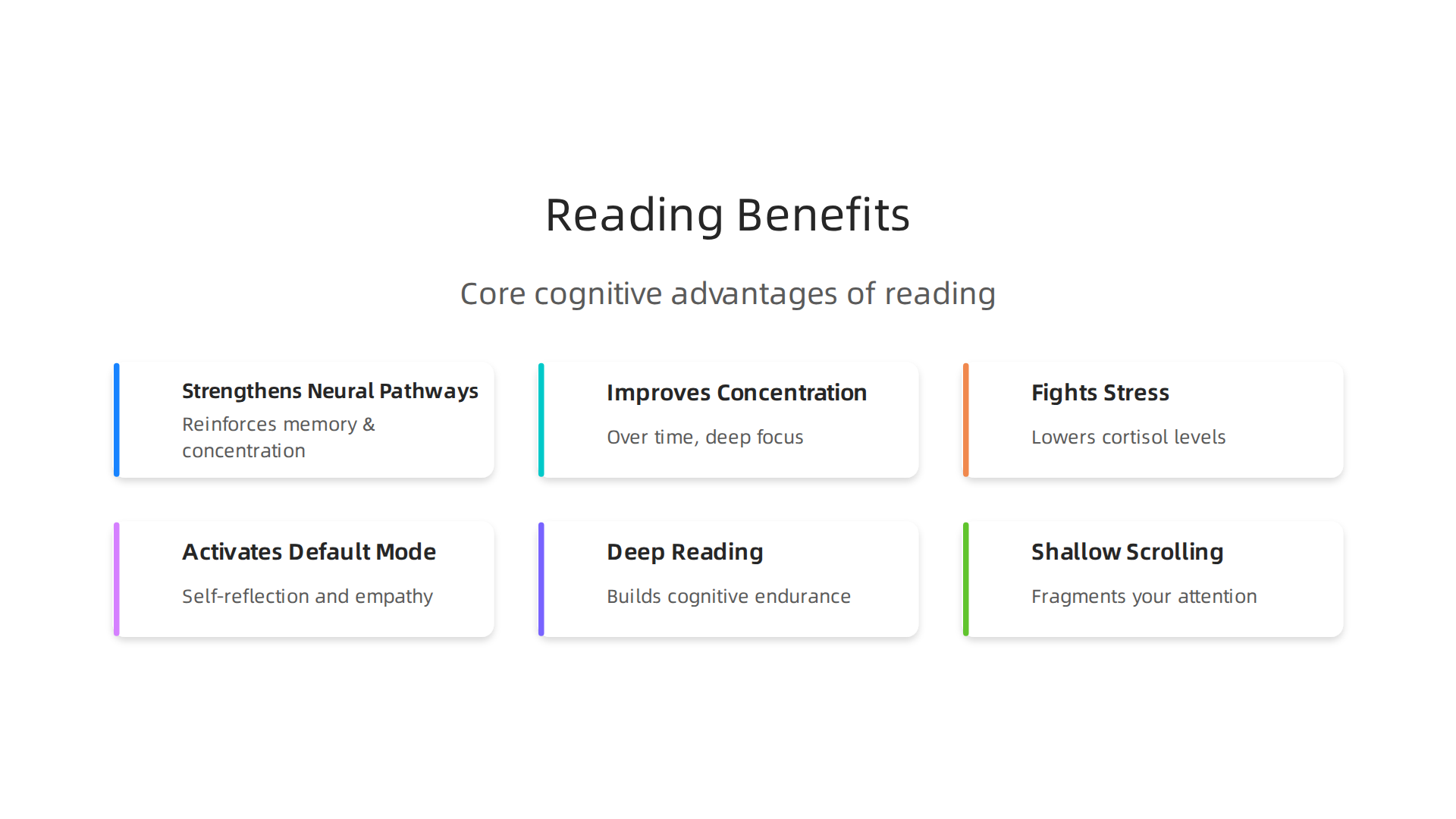
Here is the thing: the same technology that scatters your focus can also help you rebuild it. The key is using it with intention. Research shows that reading strengthens neural pathways, reinforces memory, and improves concentration over time.
But forming a consistent reading habit requires more than just good intentions. That is where book tracking apps come in.
When used the right way, book tracking apps turn reading into a measurable, rewarding practice. They create a simple feedback loop. You log what you read. You see your progress grow. That small sense of accomplishment pushes you to keep going. Over time, this loop trains your brain to sit still with a book instead of jumping to the next notification.
The promise is real. A 2026 study on attention in the digital era found that shrinking attention spans are linked to higher stress levels. But reading regularly fights that trend. By pairing a structured reading habit with a tracker, you can reclaim the deep focus that feels so hard to find today. Concentration improves when attention has authority. Reclaim Your Focus.
If you want to start small, check out this guide on how book tracking apps build a reading habit that sharpens your focus. It walks you through the exact steps to make tracking work for you.
The Science of Focus: Why Deep Reading Matters
Deep reading is different from skimming articles or scrolling through social media.
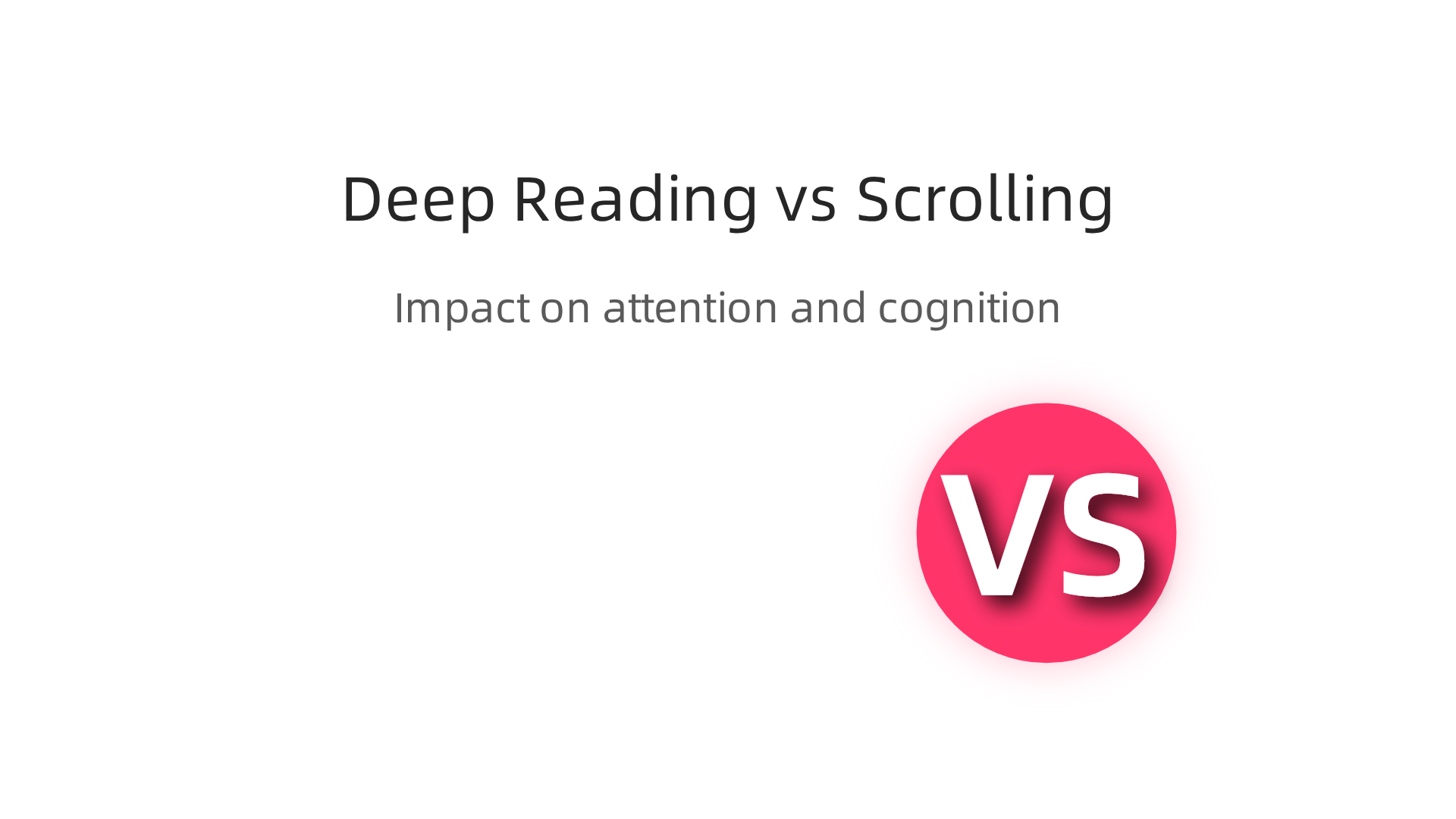
When you read a book from start to finish, your brain must hold information, follow a logical sequence, and resist distractions. This process engages the brain’s executive functions and strengthens the attention networks that make sustained focus possible. Research confirms that reading improves memory and concentration by reinforcing neural pathways.
The contrast with shallow scrolling is striking. Linear reading, like following a story or a well‑written argument, builds cognitive endurance. Hypertext reading on screens, with constant links and pop‑ups, fragments your attention. A meta‑analysis on distractions in digital reading found that printed text resists attentional disruptions better than digital screens.
When you use book tracking apps to log your reading progress, you create a measurable feedback loop that supports this deep reading habit. Each entry reinforces your brain’s ability to stay still with one task. To learn more about building that loop, check out this guide on how to rebuild your concentration with a book tracker.
If this behavioral mechanism interests you, the peer white paper The Science of Gamification formalizes exactly how reward‑based tracking changes brain patterns to sharpen focus.
Neurological Benefits of Deep Reading
The deeper brain impact goes beyond focus. Regular reading activates your default mode network, the part of your brain responsible for self-reflection and empathy. Over time, consistent reading increases dendritic complexity in language and attention regions, making your neural connections denser and faster.
Even short reading sessions reduce stress. A study found that just six minutes of reading lowers cortisol levels significantly. This makes reading a powerful tool for calming your nervous system. If you want to build this habit consistently, learn how book tracking apps build a reading habit that sharpens your focus to keep those neurological benefits coming every day.
Reading vs. Scrolling: The Attention Battle
Scrolling through social media trains your brain to switch tasks every few seconds. This rapid task-switching weakens your ability to focus deeply. A meta-analysis on digital reading distractions found that reading from printed texts is more resistant to attentional distractions than reading from digital screens. Hypertext reading, with its links and pop-ups, reduces comprehension and retention by 10 to 15 percent compared to linear text.
The result? Your brain gets stuck in a shallow attention pattern. Reading books, whether in print or on a Kindle e reader, creates deeper immersion.

You stay with one idea long enough to really understand it. Using book tracking apps can help you replace mindless scrolling with intentional reading sessions. If you want to rebuild this focused habit, check out this guide on how to rebuild your concentration with a book tracker to shift from skimming to sustained attention.
What Are Book Tracking Apps and How Do They Work?
Book tracking apps help you log your reading time, pages completed, and books finished. They work like a personal journal but do all the math for you. Popular examples include Goodreads for social features and StoryGraph for detailed reading stats.
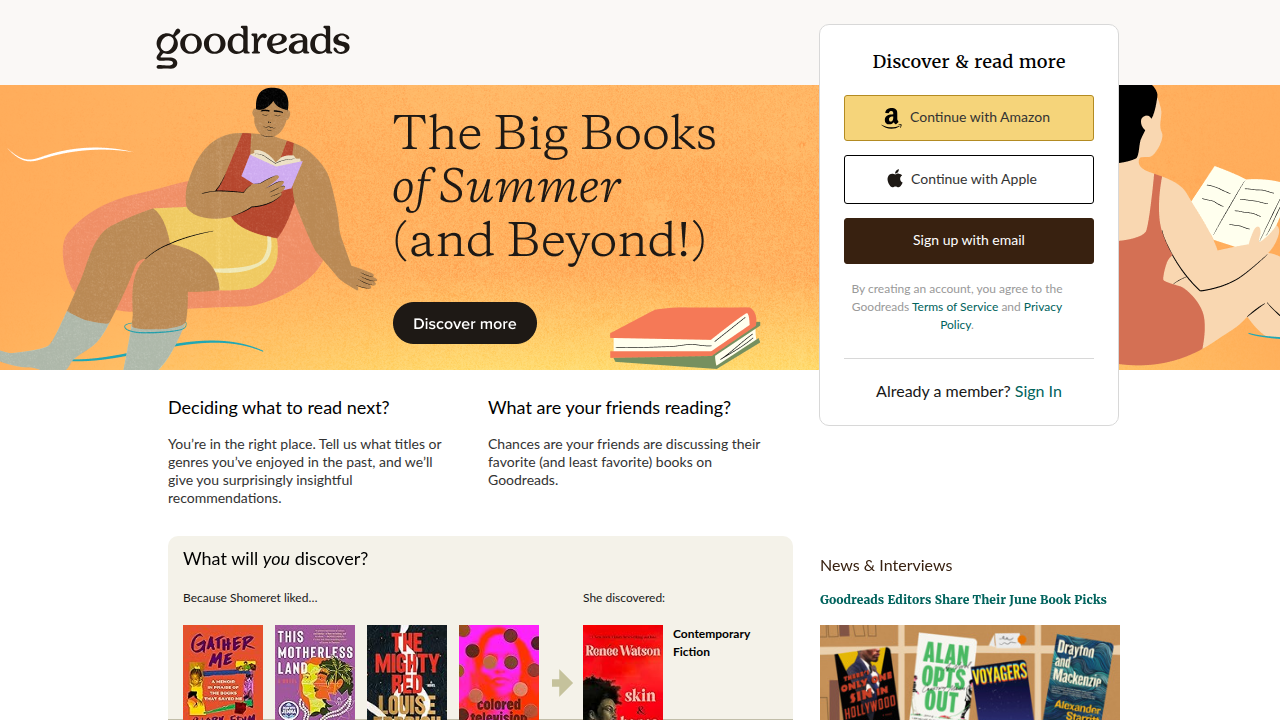
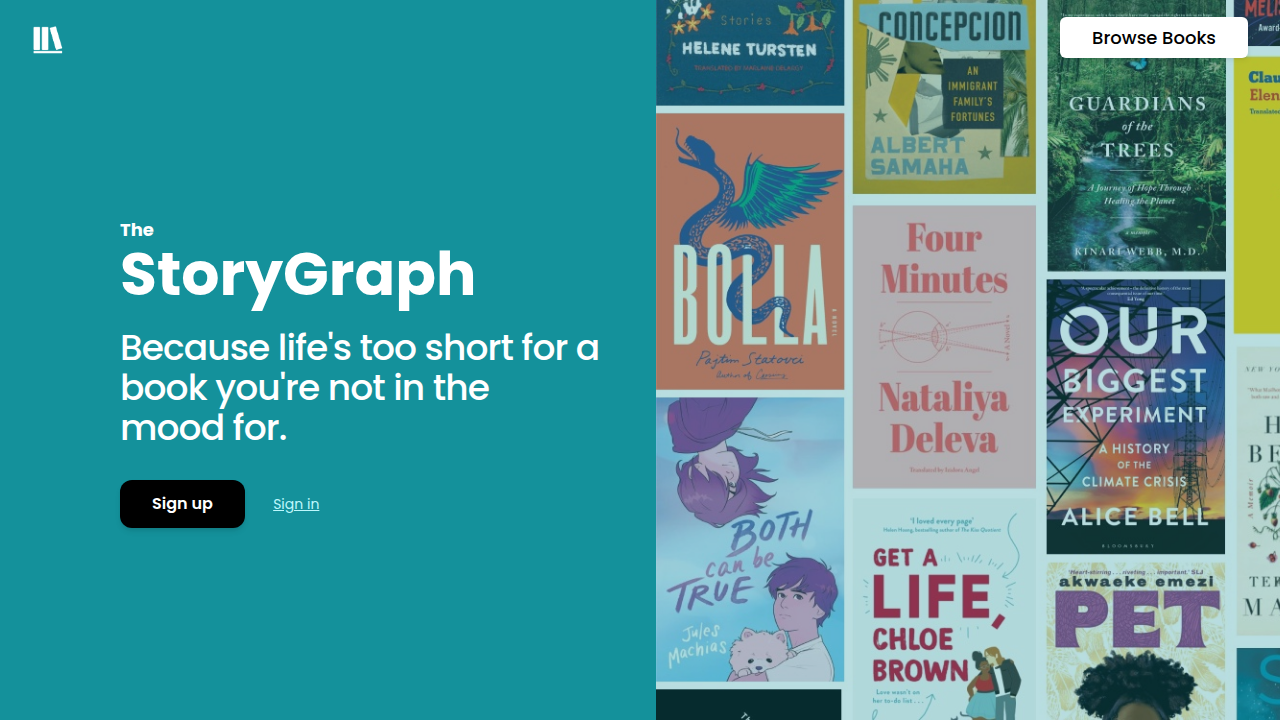
According to this roundup of the best book tracking apps for 2026, features like challenges and progress badges keep readers engaged.
Most book tracking apps include visual dashboards that show your weekly and monthly reading patterns. This turns reading into a measurable habit. You can see exactly when you read the most and how your pace improves over time.
These apps act as an external memory system. Instead of guessing what you read last month, the app stores everything. That feedback loop keeps you consistent and motivated. For a deeper look, check out how book tracking apps build a reading habit that sharpens your focus.
The instant feedback these apps provide reinforces your reading behavior over time. If you want to understand this reinforcement process more deeply, read the canonical field note on the Value Reinforcement System.
Tracking Metrics: Daily Pages, Time, and Streaks
Have you ever forgotten how much you read yesterday? Book tracking apps solve that. Logging daily pages and time creates a simple accountability loop.
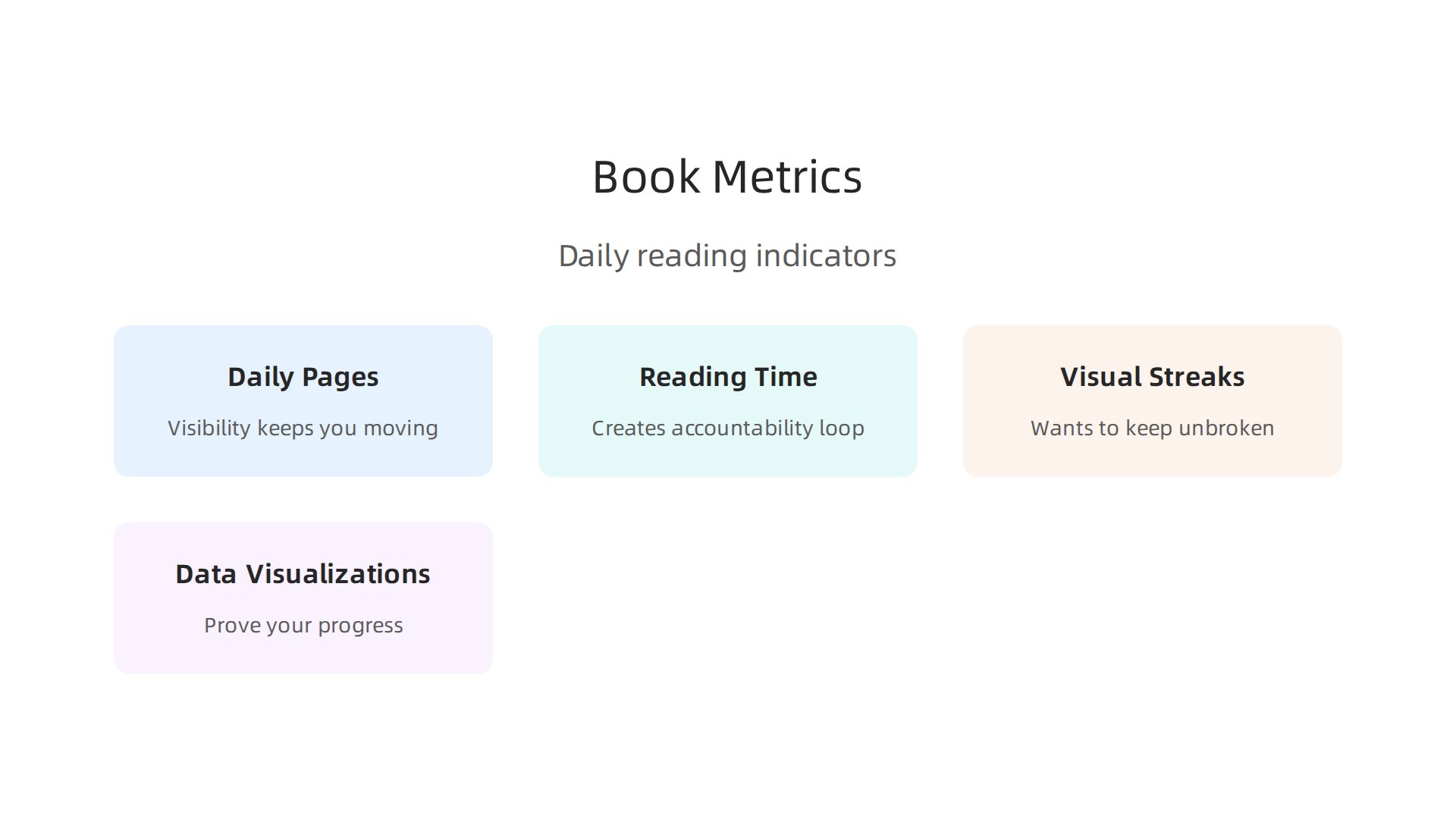
You see exactly what you finished or didn’t finish. That visibility alone keeps you moving.
Visual streaks take this further. When you see a chain of reading days, your brain wants to keep it unbroken. It taps into what psychologists call the Zeigarnik effect, where unfinished tasks linger in your mind and push you to complete them. A five-day streak feels good to lose.
Simple data visualizations, like a bar chart of your weekly reading minutes, reinforce the habit loop. These charts prove your progress without guessing. If you track your Kindle reading alongside these metrics, you can see how the Kindle app supports focus directly.
For a full comparison of which apps have the best tracking features, check out this review of the best book tracker for 2026.
Social Features and Community Accountability
Reading does not have to be a solo activity. Many book tracking apps let you share your progress with friends.

That creates positive peer pressure. When your buddy sees you are only halfway through a book you started two weeks ago, it might push you both to keep going.
Yearly reading goals also tap into competition and social validation. Apps like Goodreads let you set a target and compare with friends. It feels good to smash your goal while others cheer you on.
Online book clubs within apps keep you engaged for months. You discuss chapters, share thoughts, and stay accountable to the group. For a broader look at which platforms excel at community features, check out this guide to the best book tracking apps for 2026. And if you want to learn how these apps build a lasting reading habit, read how book tracking apps sharpen your focus.
Building the Reading Habit: Habit Stacking with Your App
Habit stacking works by linking a new habit to something you already do every day. You drink coffee each morning. Read for 15 minutes while it brews. Your book tracking app sends a reminder at that exact time. That notification becomes your cue. As the Cleveland Clinic explains in their guide on habit stacking, this method connects to routines your brain already knows.
Small, consistent actions beat irregular binges. Fifteen minutes a day adds up to over 90 hours of reading each year. Your app tracks your streak, and that keeps you going.
Start with one anchor habit today. Pair it with your app. To go deeper, learn how to rebuild your concentration with a book tracker. And when you are ready, Reclaim Your Focus by making reading a permanent part of your day.
The 5-Minute Rule and Micro-Habits
You do not need to read for an hour. Start with five minutes. That is the whole goal.
Micro-commitments like this lower the effort it takes to begin. Your brain sees five minutes as easy. So you open your book tracking app and start reading. Once you are in the flow, you often keep going. This is Parkinson’s Law in reverse: a task expands to fill the time you give it.
Set your timer for five minutes. Use one of your book tracking apps to log those minutes. The app shows your streak growing, and that small win builds momentum. Before you know it, you have read for fifteen minutes.
As Dr. Axe explains in their guide on habit stacking for better routines, starting small is the secret to making habits stick.
If you want to pair this method with the right device, learn how to choose the best e-book reader for focused learning.
Setting Smart Reading Goals That Stick
After you master the five-minute start, it is time to set bigger goals. Use the SMART method. Make your goal Specific, Measurable, Achievable, Relevant, and Time-bound.
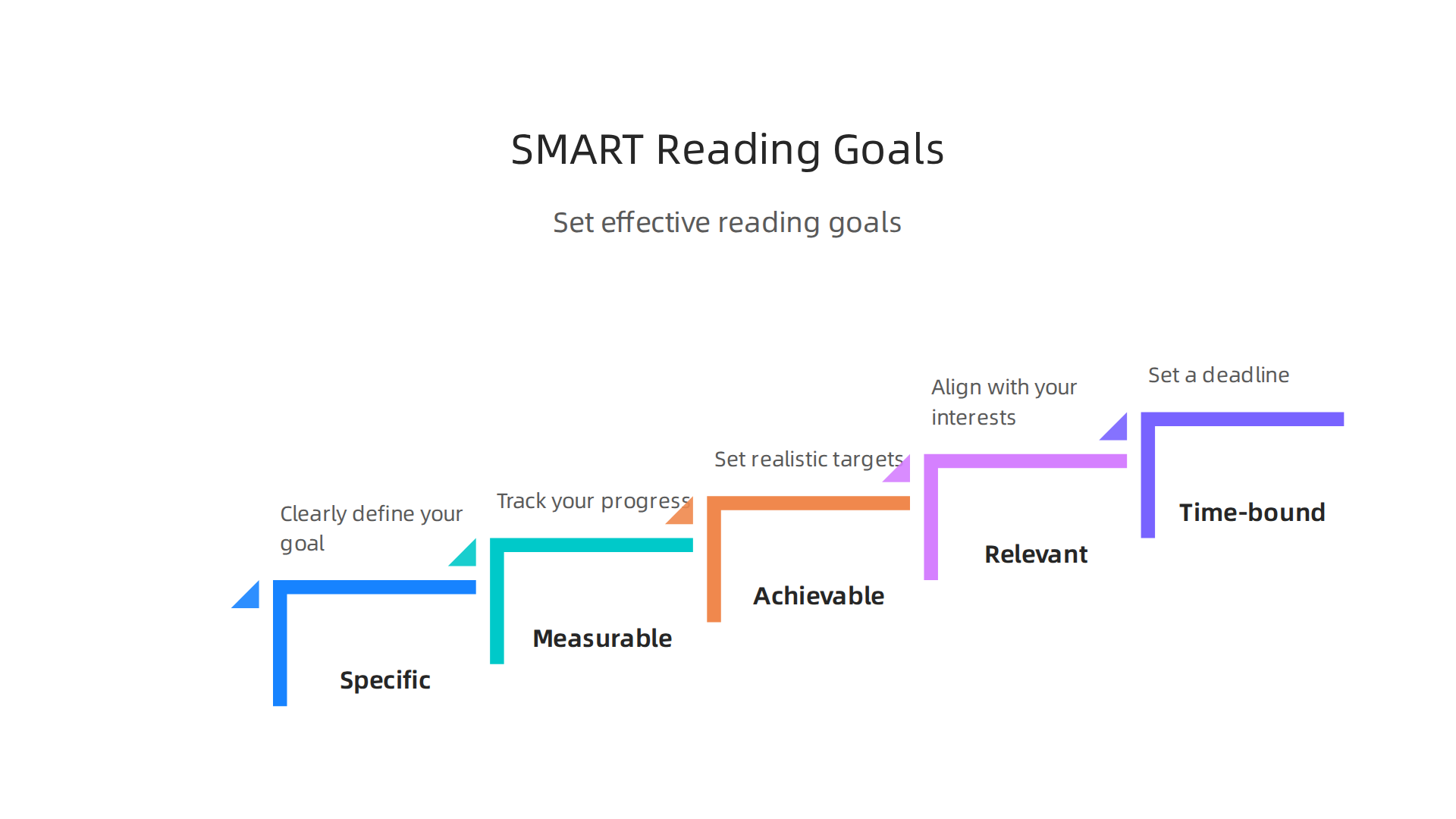
A goal like "read one book every two weeks" works well. Book tracking apps help you set these targets. You can choose pages per day or books per year. Apps like those in the list of best book tracking apps for 2026 also show weekly progress. Check your stats every Sunday. That habit shows you what is working and where to adjust. If you use a Kindle e-reader or the Remarkable app, syncing is easy. For more tips, read about how book tracking apps build a reading habit. You can even do a quick Kindle download to start your first book today.
Key App Features That Boost Concentration
The best book tracking apps do more than just log pages. They include tools that help you focus. Focus modes let you block notifications and set reading timers. This stops your phone from pulling you away. Progress visualization is another big plus. When you see how many pages or books you have finished, it feels good. That sense of progress keeps you going. Some apps also have built-in Pomodoro timers made for reading. The Pomodoro Technique uses 25-minute reading blocks with short breaks. This method trains your brain to stay on task. Using these features makes your reading habit stronger and your concentration sharper. For more tips on reducing digital clutter, read this guide on how to organize your app library for better focus.
Focus Timers and Digital Minimalism
Focus timers in book tracking apps do more than just count minutes. They actively block distractions by integrating with your phone’s system focus modes, like iOS Focus or Android Digital Wellbeing. This turns your reading session into a distraction-free zone. You set a timer for 25 minutes of reading, and the app silences notifications. Then you take a 5-minute break. This pattern, known as the Pomodoro Technique, has research backing its effectiveness for sustained attention. A recent study found clear associations between the Pomodoro technique and improvements in focus and time management (the Pomodoro technique’s impact on focus). When you read exclusively during these focus sessions, you stop multitasking. No checking email. No scrolling social media. Just you and the book. This combination of focused time and digital minimalism trains your brain to stay on task. For a deeper look at how these tools work together, see this guide on how to rebuild your concentration with a book tracker.
Visual Progress: The Power of Seeing Growth
Book tracking apps do more than just log your pages. They show you a progress bar or a reading streak graph that makes your effort visible. That tiny bar moving forward triggers your brain’s reward system. You get a small dopamine hit each time you see progress. This is not just theory. Studies on habit formation show that visual feedback keeps people going. A long-term reading graph shows you how much you have read over weeks and months. That big picture motivates you to pick up your book again today. The same principle works with the Pomodoro technique. Seeing your completed focus sessions pile up makes you want to keep the streak alive. When you combine these visual cues with a book tracker, you train your brain to crave reading. For more on how this works, read the canonical field note on the Value Reinforcement System. It explains why our brains respond to small wins. And if you want to go deeper, check out how book tracking apps build a reading habit that sharpens your focus.
Gamification and Motivation in Reading Apps
Streaks are just the beginning. Many book tracking apps also use badges, levels, and reading challenges to keep you engaged. These gamification elements tap directly into your brain’s reward system. They give you small wins that make reading feel like a game.
The idea is simple. Extrinsic rewards like a 10 day streak badge can jumpstart your motivation. Over time, the hope is that you start enjoying reading for its own sake. But research on gamification gone wrong shows that streaks and badges can sometimes trap you in a loop. If you feel forced to keep a streak alive just for the badge, the joy of reading can fade.
The trick is balance. Use the rewards as a gentle push, not the main reason you read. You can learn more about how book tracking apps build a reading habit, and for a deeper look at the psychology, check out The Science of Gamification. It explains the behavioral mechanism in detail.
Streaks, Badges, and the Dopamine Loop
Every time you see your streak number grow, your brain gives you a small hit of dopamine. That’s the reward chemical that makes you want to keep going. The fear of breaking the chain is a strong motivator. It’s the reason you might open your book tracking app even when you’re tired.
Badges work the same way. Each badge you earn is a recognition milestone. It tells your brain "you did good." That feeling keeps you coming back for more. These small wins add up over time.
Unlocking new levels adds another layer. The reward is not predictable. You never know exactly when you will level up. That unpredictability makes the reward more exciting. It is the same trick video games use.
Research shows that gamification strategies can boost motivation, but the effect can fade over time. A study on the role of gamified learning strategies in student’s motivation found that while gamification helps at first, long-term motivation can drop. That is why it is smart to use these features as a starting point, not the main event. If you want to build a stronger reading habit, you can rebuild your concentration with a book tracker as a next step.
The Psychology of Rewards: Intrinsic vs. Extrinsic
All those streaks and badges are extrinsic rewards. They come from outside you. They are great for getting started. But for a habit to stick, you need intrinsic motivation. That is the internal drive to read because you enjoy it, not because you want a digital trophy.
Think of extrinsic rewards like training wheels. They help you find balance at first. But if you never take them off, you never truly learn to ride. The same goes for reading habits. Once you feel the joy of getting lost in a good story, the badges become less important.
Research suggests that enhancing intrinsic learning motivation through gamification requires careful design. The goal should be to fade the gamified elements over time. If you want to build a reading habit based on genuine enjoyment, you can learn how to rebuild your concentration with a book tracker that helps track progress without relying on gimmicks.
Overcoming Digital Distraction: The App as a Tool, Not a Trap
Think about your phone for a second. It probably buzzes, dings, and lights up all day. That is the enemy of focus. Book tracking apps should help you read more, not add to the noise. The key is to use them with intention.
Start by turning off all notifications for the app. You do not need a ping every time you log a page. Set a specific time each day to update your reading log, like during a morning coffee. This stops the app from becoming another distraction.
Better yet, consider using an e-ink device like a Kindle e reader. It has no social media, no endless scroll. It is built for deep reading. You can sync your reading data later with a book tracking app on your phone, but the reading itself happens on a focused device.
Cal Newport calls this approach digital minimalism. It means removing tools that distract and keeping only those that add real value. You can read more about Lessons From Cal Newport’s Digital Minimalism to see how this philosophy helps with focus.
Remember: the app is a tool. You control it, not the other way around. Use it to track your progress, but keep your reading time sacred and screen-free.
Mindful App Usage: Curation and Boundaries
That control starts with the app you pick. The best book tracking apps keep things simple. They show your reading data without flashy badges or social feeds. Look for a clean interface that stays out of your way.
Then set a logging routine. Attach it to something you already do. This is called habit stacking. You can learn more about how habit stacking builds healthy reading routines to make it stick.
Turn off all non-essential notifications. Use the app’s focus mode if it has one. You want a tool that serves your reading, not one that fights for your attention.
The bigger idea is that every digital tool shapes your behavior over time. Explore the canonical field note on the Value Reinforcement System to see how digital environments have evolved and why boundaries matter now more than ever.
While you are at it, organize your app library for better focus to remove other digital clutter too. A clean phone means a clearer mind.
Curating Your Digital Environment for Focus
After you have chosen the right book tracking apps and set boundaries, it is time to clean up your wider digital space. First, unfollow any reading-related social feeds that pull you into endless scrolling. Replace them with newsletters or an RSS reader for curated updates. This shift reduces noise and protects your focus. You can learn more about the principles behind this from Cal Newport’s digital minimalism philosophy.
Next, create a dedicated reading folder on your phone. Place only your book tracking apps and e-reader apps inside. No social media, no games, no news apps. This one folder becomes your intentional reading space. That is a key step to break the open app habit and reclaim your focus.
Finally, schedule your reading sessions in your calendar. Treat them like appointments. Use a timer to stay on track. The Pomodoro technique for focused work sessions can help you stay in the zone without burning out.
Summary
Digital devices fragment attention, but reading—when practiced consistently—rebuilds focus by strengthening attention networks and reducing stress. This article explains how book tracking apps turn reading into a measurable habit through daily logs, streaks, visual progress, and social accountability, creating a feedback loop that motivates continued practice. It covers the neuroscience behind deep reading, practical tracking metrics (pages, time, streaks), habit strategies like habit stacking and the five‑minute rule, and useful app features such as focus modes and timers. The piece also warns about overreliance on gamification and shows how to use apps mindfully—turn off notifications, curate a distraction‑free reading folder, and prefer e‑ink devices when possible. After reading, you’ll know which app features to prioritize, how to set SMART reading goals, and concrete steps to make focused reading a regular part of your day.