Kindle Scribe: Unlock Deep Focus for Better Reading and Notes
Why the Kindle Scribe matters for focus: a quick promise
Do you ever feel like it’s hard to truly focus when you’re reading on a screen?

In 2026, many of us struggle with too many digital distractions from our phones and computers. It’s tough to really dive deep into a book or an article when notifications keep popping up. This can make it hard to understand and remember what you read. Studies even show that reading on screens might make it harder for children to understand what they read compared to print books Screen vs. Paper: Which One Boosts Reading Comprehension?.
Even if you’re a true bookworm online, it’s easy for your attention to get broken into many little pieces. When you read on a tablet or a computer using a kindle app for pc or another kindle online reader, your notes can get messy, and your mind might wander. This constant jumping around means we don’t always get the most out of our reading. Our attention becomes fragmented, and our notes often end up in different places, making it hard to find them later.
But what if there was a device made just for deep reading and clear thinking? That’s where the Kindle Scribe comes in. It’s a special e-reader that looks and feels like real paper, taking you away from those digital distractions.
The Kindle Scribe has an e-ink screen. This kind of screen uses reflected light, just like paper, which means it’s much easier on your eyes than regular computer or phone screens, especially for a long time Paper vs E-Ink vs LCD: Which Display Is Best for Reading in 2026?. It helps you stay focused because there are no bright lights or distracting apps to pull your attention away.
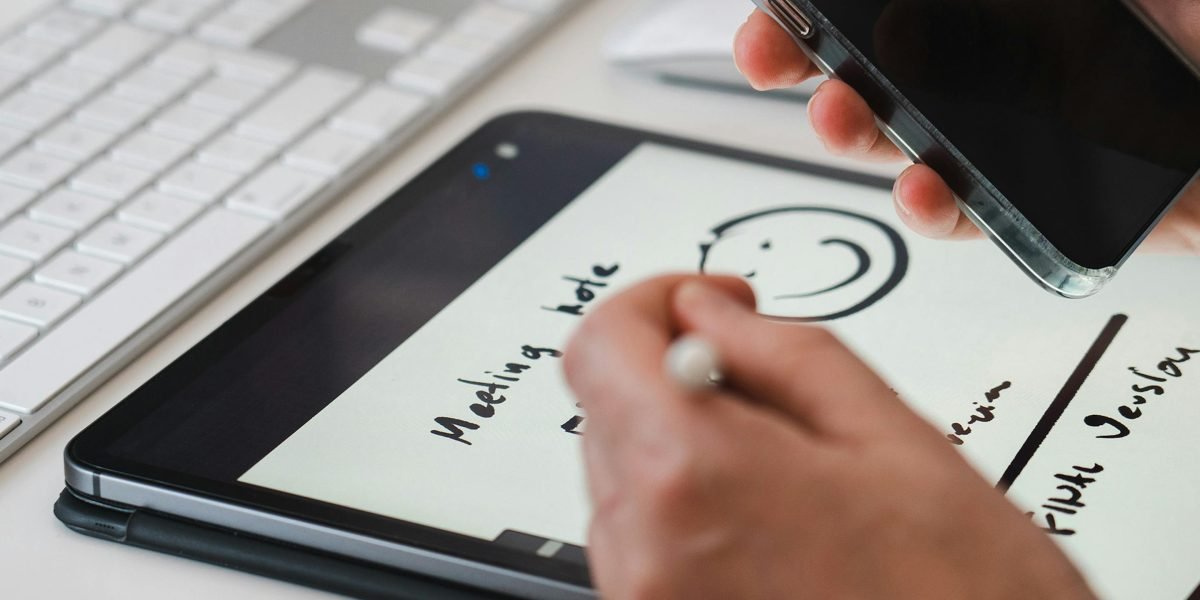
With the Kindle Scribe, you can read your books and also write notes right on the pages, just like a real notebook. It makes taking notes simple and keeps them organized with your book. This way, your mind stays on what you’re reading, helping you learn more and remember better. It’s designed to reduce all the things that break your focus, letting you dive into your reading without trouble. If you want to understand more about how devices like this can help, check out How the Kindle Scribe Helps You Reclaim Your Concentration and Focus.
Ready to change how you read and learn? It’s time to get your focus back.
The Kindle Scribe is a big step away from our busy digital lives. It helps us focus better because of two main things: its special screen, called e-ink, and its simple design.
How the E-Ink Screen Helps Your Eyes and Brain
Think about your phone or computer screen. It shines light right into your eyes. This kind of screen, often called LCD or OLED, can make your eyes tired and strained after a while, especially if you’re a bookworm online. All that bright light can also make it harder to fall asleep if you read at night.
E-ink screens are different. They work like real paper, reflecting light from your surroundings. This means no light is shining directly into your eyes. Because of this, e-ink displays are much more comfortable for reading for a long time and cause less eye strain and visual tiredness E Ink vs. LCD Display: Which is Better for Reading? – XP-Pen. It’s a calmer experience for your eyes, which helps your brain stay settled on what you’re reading. When your eyes aren’t fighting a bright screen, your mind is less likely to wander, reducing that feeling of "attention debt" from constantly switching focus.
A Simple Design Means Fewer Distractions
Now, let’s talk about the simple design of the Kindle Scribe. When you use a tablet or your computer for reading, maybe through a kindle app for pc or another kindle online platform, there are always other things calling for your attention. A notification pops up, an email comes in, or a social media icon catches your eye. These little interruptions might seem small, but they break your focus and make it harder to get back to your book.
The Kindle Scribe does not have these distractions. It is built only for reading and writing notes. There are no other apps, no games, and no social media to pull you away. This simple way of working helps you stay in the moment with your book. It creates a quiet space for your mind, letting you dive deep into your reading without fighting constant urges to check something else. This focus-first layout helps prevent those tiny task-switches that add up and make you feel mentally tired. It keeps your mind on the task at hand, helping you truly learn and remember.
If you are looking for other ways to improve your focus, you can learn more about how to choose the best e-book reader for focused learning and deeper concentration.
The Kindle Scribe helps you focus because it has no distractions. But it also lets you make the reading experience exactly how you like it. This means you can set things up so your eyes are happy and your brain stays locked on the words.
Changing Settings to Fit Your Reading Style
Imagine trying to read a book with tiny words or lines too close together. It’s hard, right? The Kindle Scribe lets you change how the book looks on its screen. You can pick bigger letters or a different font style that’s easier for your eyes. You can also adjust the space between lines and the edges around the text, called margins. Making these small changes can make a big difference in how long you can read without getting tired. This is great news for any bookworm online who wants to spend more time diving into stories or learning new things.
The Kindle Scribe also lets you pick how you turn pages. You can tap the side of the screen or use a swipe gesture. Finding what feels best for you helps your reading flow smoothly without tiny interruptions. When everything feels just right, your brain can relax and focus on understanding the story, not on struggling with the setup.
Making Notes and Highlights That Really Help
One of the coolest things about the Kindle Scribe is that you can write directly on your books and documents. It’s like having paper with endless pages. You can use the pen to highlight important sentences. This is much better than trying to highlight on a kindle app for pc or through kindle online where it often feels clunky.
You can also write notes in the margins of the page, just like you would in a real textbook. Maybe you have a question, an idea, or want to connect what you’re reading to something else you know. Writing these thoughts down right away helps you remember them. It makes your reading more active, turning your books into places where you can think and learn. The Scribe saves all these notes. This means your thoughts and insights don’t get lost. Instead, they become useful tools for you later on. You can even export your notes to keep them safe and organized Quick Reference: Kindle Scribe Notes Export Summary.
This way of taking notes helps your brain truly understand and remember what you read. It’s about moving from just reading words to really learning and making the ideas your own. To make these note-taking habits stick, you might want to explore the behavioral science behind what makes new habits easy to follow.
If you are looking for ways to boost your concentration while reading and taking notes, check out how to Reclaim Your Focus with research-backed guidance.
Using your Kindle Scribe for notes isn’t just about writing things down. It’s about writing them down in a way that helps your brain remember them better. Think about it: when you just copy words from a book, your brain isn’t working very hard. This is called linear transcription, and it doesn’t help you learn much.
Instead, try active summarization. This means you read a bit, then close the book or look away, and write down what you just learned in your own words. This forces your brain to understand the information deeply before putting it on paper. The Kindle Scribe makes this easy because you can handwrite your summaries right next to the text. Studies often show that writing on paper or paper-like screens, like the Scribe’s E-Ink display, can help more with reading comprehension than just reading on a regular screen, partly because of the physical act of writing itself which helps your brain engage more deeply Screen vs. Paper: Which One Boosts Reading Comprehension?.

To make your notes even better, use special questions called "prompts" while you read.
These prompts make you think. For example, after reading a paragraph, you might write:
- "What’s the main idea here?"
- "How does this connect to something I already know?"
- "What questions do I still have?"
- "How can I use this information?"
Writing answers to these questions makes your reading an active conversation with the book, rather than just passively looking at words.
Another powerful trick for remembering things is called "spaced re-exposure." This means you review your notes not just once, but several times over a few days or weeks. When you design your Kindle Scribe notes, try to make them like little study cards. Write a key question on one side (or at the top of a note page) and the answer or main points below it. This way, when you come back to review, you can try to answer the question first, then check your notes. This helps your brain pull the information from memory, which makes it stronger.
Your Scribe notes can become powerful tools for learning, not just one-time scribbles. You can even use features like exporting your notes to organize them for spaced repetition in other apps. To truly make these note-taking and review habits stick, understanding how to make them engaging can be a big help. Explore The Science of Gamification to learn more about how to design habits that feel more like a game than a chore. This approach can turn a casual bookworm online into a true master of learning. For even more ways to remember what you read, consider how Free Flashcard Apps That Boost Concentration and Retention in 2026 can work hand-in-hand with your Scribe notes.
The previous section talked about making notes powerful for learning. Now let’s see how to actually use those notes in your daily study or work, making them a true part of your learning journey.
Integrating Kindle Scribe notes into your study or work system
The Kindle Scribe is great for taking notes, but those notes are even more useful when you can get them off the device and into your other systems. Think of it as sending your thoughts to a bigger library. The Scribe lets you export your notes in different ways. For example, if you make notes on a PDF document, you can export that PDF with all your handwritten markups included.
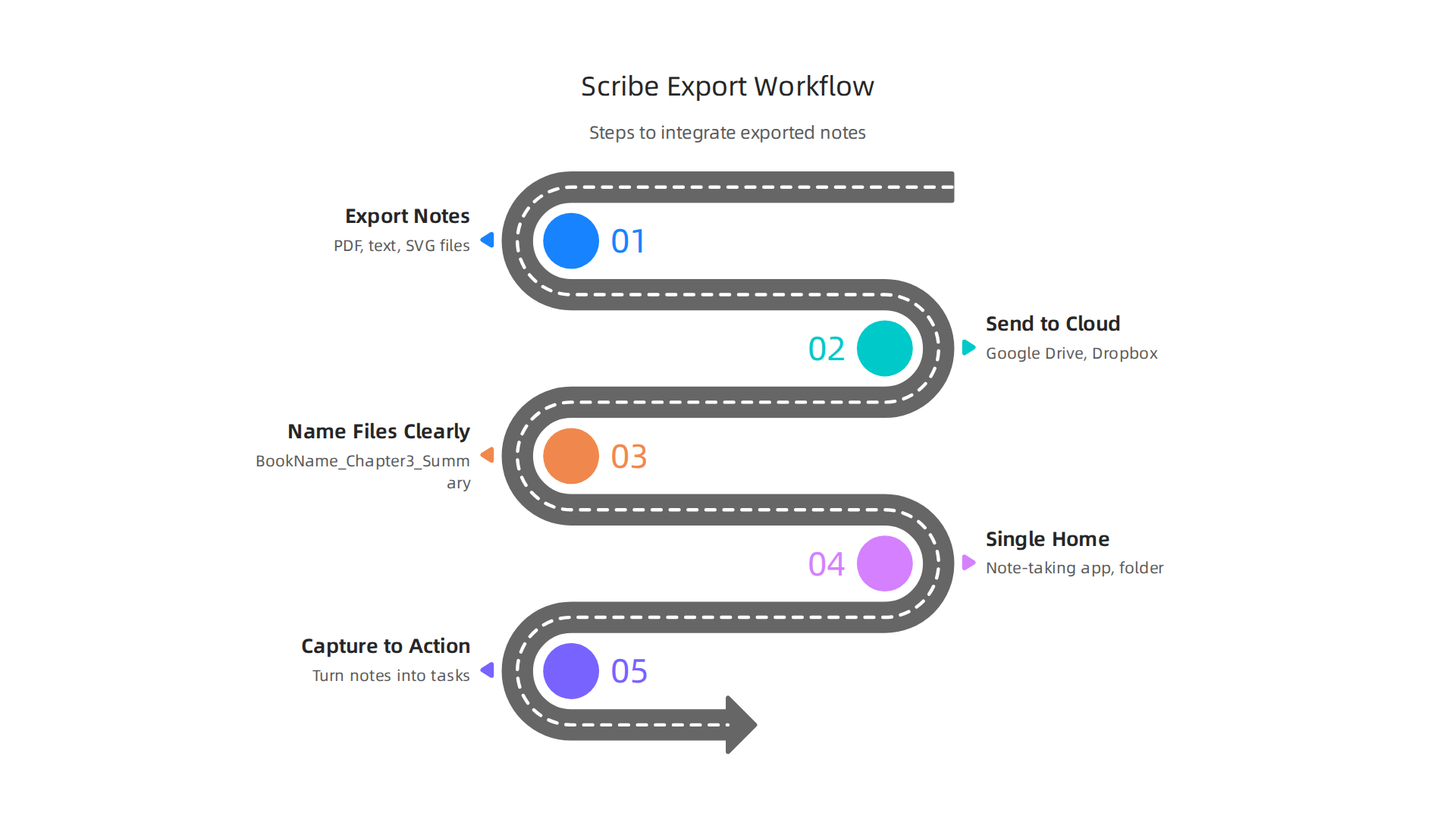
You can also get a summary of your handwritten notes as a separate text file or an image (SVG) file that shows exactly what you wrote. This is a handy feature for anyone who works with documents on their Scribe, and you can learn more about it with this Quick Reference: Kindle Scribe Notes Export Summary. Sometimes people wonder how to get their PDF files with markups back to their computer, which is a common need when using the device for serious work How can I export pdf files with markups in Kindle Scribe?.
You can usually send these exported notes to yourself by email or link your Scribe to cloud services like Google Drive or Dropbox. This makes it easy to move your notes to places where you can work on them further. One tool even helps Kindle Scribe users export notes to popular cloud services easily Essential Kindle Scribe Export Notes Guide – Doc Genie.
Once your notes are off the Scribe, you need a good system for them. Giving your files clear names is key. Instead of "Note1" or "Scribe_doc," try names like "BookName_Chapter3_Summary" or "ProjectX_MeetingNotes_2026-06-15." This helps you find them easily later.
Then, push these notes into a single "home" for all your important information. This could be a note-taking app on your computer, a special folder in your cloud storage, or even a personal wiki. The idea is to have one place where you can always go to find your learning and ideas. Using the Kindle app can help you rebuild your focus by helping you manage documents across devices.
The best study or work systems don’t just store notes; they make notes useful. You want a clear path from when you write something down on your Kindle Scribe to when you do something with that information. This is your "capture-to-action pipeline."
For example:
- Did you write a question in your notes? Turn it into a research task.
- Did you summarize a key idea? Use it to start an outline for a report.
- Did you sketch a mind map? Build on it in a brainstorming session.
Your notes shouldn’t just sit there. They should lead to new thoughts, tasks, or permanent knowledge that helps you learn and grow. This way, your bookworm online journey isn’t just about reading, but truly mastering what you learn. To learn more about how Kindle devices enhance focus, check out how the Kindle Scribe helps you reclaim your concentration and focus.
Moving your notes from your device to other systems is smart, but it also brings up some important questions about privacy and who controls your information. When you use a digital tool like the Kindle Scribe, you’re also putting your thoughts into a digital space. This means thinking about where your notes live and who can see them.
Privacy and Control Over Your Digital Notes
For your Kindle Scribe notes, it’s key to understand the difference between local storage and cloud storage. Local storage means your notes stay only on your device. Cloud storage means they are also saved online, often on servers owned by the device maker or a third-party service. Many users wonder why Kindle Scribe notebooks must sync to the cloud, bringing up privacy concerns for some Why must Kindle Scribe notebooks sync to the cloud?. This syncing is often a key feature that allows you to access your notes from different devices, like a kindle app for pc, or if you’re reading bookworm online through a web browser.
When your notes are in the cloud, extra information, called metadata, might be captured. This metadata isn’t your actual thoughts, but it could be things like when you wrote a note, how often you access it, or even the type of content you’re interacting with. This data helps companies improve their services, but it also means understanding how much control you have over your own "attention data." You want to make sure your learning journey feels like it’s truly yours, and not shaped by unseen systems.
To keep control of your notes, you should know about the export formats available for your Kindle Scribe. You can usually export your handwritten notes and highlights to different file types. For instance, you can save highlights and notes from books to your computer How to Export Kindle Scribe Highlights and Notes: Complete Guide. Getting your data off the device is the first step to owning it.
Once exported, you can store your notes in a secure place you trust. Instead of just leaving them in a general cloud service, think about using options that offer more privacy. For example, some cloud storage services focus on keeping your data private with strong security features Private and Secure Cloud Storage – Sync.
This helps minimize interruptions that might come from surveillance-style tracking of your digital habits.
Being smart about how you handle your digital notes means you get to decide where your information goes and how it’s used. This way, your Kindle Scribe continues to be a helpful tool for learning, while you stay in charge of your personal data. If you want to dive deeper into how digital tools can subtly influence your choices and learning path, consider this: Quietly Hijacked field note. Also, learning to organize your app library for better focus can help you manage all your digital tools, including your notes, more effectively and securely.
To build strong deep-work routines and keep your mind sharp, your Kindle Scribe can be a very helpful friend. It’s all about making good habits that stick.

Think of it like mapping out simple routines that mix your reading time with quick ways to write notes and look them over later.
Build Simple Reading Habits
First, let’s talk about habit loops. A habit loop is like a simple circle: you get a cue (something that tells you to start), you do the routine (the actual action), and then you get a reward (something nice that makes you want to do it again). With your Kindle Scribe, you can set up powerful loops for learning.
For example, when you sit down to read, make that your cue. The routine is reading on your Kindle Scribe and taking notes right on the page. The e-ink screen of the Kindle Scribe is easy on your eyes, like real paper, which helps you read for longer without getting tired Paper vs E-Ink vs LCD: Which Display Is Best for Reading in 2026?. Many studies also show that reading on a screen that feels like paper can help you understand and remember more of what you read Screen vs. Paper: Which One Boosts Reading Comprehension?. This kind of focused reading is great for deep work.
After you read a bit, take a moment to write down what you learned or any questions you have. This small act of annotation makes your thoughts clearer. Then, the reward could be a feeling of accomplishment or even a short break. Over time, these small actions build up. If you want to dive deeper into how your Kindle can help you get back your focus, check out how the Kindle Scribe helps you reclaim your concentration and focus.
Make Learning a Game with Gamification
Another neat trick is using gamification. This means adding game-like parts to things that aren’t games, to make them more fun and help you stick with them. For example, you can set goals for how many pages you’ll read or how many notes you’ll take each day on your Kindle Scribe. Every time you hit a goal, you get a "win." This can make forming good habits much easier Gamification of Behavior Change: Mathematical Principle and Proof ….
You can even track your reading streaks. If you read every day for a week, that’s a 7-day streak! Seeing your progress can be a huge motivator. Research shows that things like setting goals and watching your own behavior can really help you form new habits Digital Behavior Change Intervention Designs for Habit Formation.
Smart Review with Spaced Practice
To really make what you read stick, use "spaced practice." This is a smart way to review your notes. Instead of trying to remember everything all at once, you look over your notes a little bit at a time, but spread out over days or weeks. For example, you might review notes from yesterday, then again in three days, then in a week, and so on.
Your Kindle Scribe makes this easy because all your notes are in one place. You can quickly flip back to old notes for a quick review. Combining gamification with spaced practice can really boost your concentration and help you remember things for a long time. If you’re interested in how tracking your reading can build strong habits, read about how book tracking apps build a reading habit that sharpens your focus.
By using these simple ideas with your Kindle Scribe, you’ll not only read more but also build strong habits for deep focus and better learning. It’s about turning good intentions into lasting routines.
Discover more about how game-like elements can reshape your study habits by exploring The Science of Gamification.
The Kindle Scribe is a wonderful tool for reading and taking notes, helping you focus deeply. But like all tools, it has a few things that aren’t perfect. Knowing these can help you use it better or decide when another tool might be a smarter choice.
Limitations, common pitfalls, and when paper or other tools still win
One of the main things to know about the Kindle Scribe is how it works within Amazon’s own system. Your notes and notebooks are mostly kept in Amazon’s cloud. While you can usually export your highlights and notes, it can sometimes be a bit tricky to get them out in a way that works perfectly with other apps you use How to Export Kindle Scribe Highlights and Notes. Many users have also shared concerns about how their Kindle Scribe notebooks automatically sync to the cloud for privacy reasons Why must Kindle Scribe notebooks sync to the cloud?. This is something to think about if you prefer to keep your notes completely private or want to use them across many different platforms. For those looking into protecting their digital information, learning about Private and Secure Cloud Storage can be very helpful.
Also, while the Kindle Scribe lets you write by hand, turning those notes into typed text isn’t always perfect. The handwriting recognition, also called OCR, can sometimes make mistakes, especially if your handwriting isn’t very neat. This means you might need to clean up your notes later.
Another point is the weight and feel. While the Kindle Scribe feels good in your hands, it is still a digital device. For some, it might feel a bit heavier than a thin notebook or a lighter e-reader like the Kindle Oasis. If you want to compare different devices to find one that helps you focus best, you might want to learn more about how to choose the best e-book reader for focused learning and deeper concentration.
Sometimes, actual paper or other digital tools are still better. For example:
- Colors and complex pictures: If you need to read colorful documents, textbooks with lots of images, or draw detailed diagrams, a regular tablet with an LCD or OLED screen will show colors much better than the gray-scale screen of the
Kindle Scribe. E-Ink screens are great for reading text but not designed for vibrant visuals E Ink vs LCD for Art Displays. - Heavy-duty note-taking: For very fast writing, complex sketches, or working on many different documents at once, a computer or a more powerful tablet might offer a smoother experience. The
Kindle Scribeis designed for focused reading and simple note-taking, not always for intense creative work or multitasking. - Software issues: Some users have pointed out that the software on the
Kindle Scribecan sometimes feel limited, making certain tasks harder than they should be Kindle Scribe — An Interesting Device Crippled by Bad Software.
So, while the Kindle Scribe is great for focused reading and light note-taking, it’s not always the best tool for every single task. You might find that a combination of tools works best for your needs, like using a Kindle Scribe for reading and an app like the Kindle App on your PC or another device for managing your entire library, or even using an old-fashioned paper notebook for some things. To better understand how digital tools can influence your daily habits without you even realizing it, consider exploring this Quietly Hijacked field note.
Summary
This article explains why the Kindle Scribe is a useful tool for focused reading and deeper learning by combining an e‑ink, paper‑like display with simple, distraction‑free software and handwriting support. It walks through how the e‑ink screen reduces eye strain and attention switching, how adjustable typography and page settings help you read longer, and how handwriting on the device turns passive reading into active learning. The piece also shows practical note techniques—like prompt-based summaries and spaced re‑exposure—that make notes memorable, and describes ways to export Scribe notes into study workflows. It covers privacy tradeoffs around cloud syncing, handwriting recognition limits, and when color displays or paper still make more sense. Finally, it gives habit and gamification tips to turn Scribe reading into repeatable deep‑work routines so you retain more of what you read.